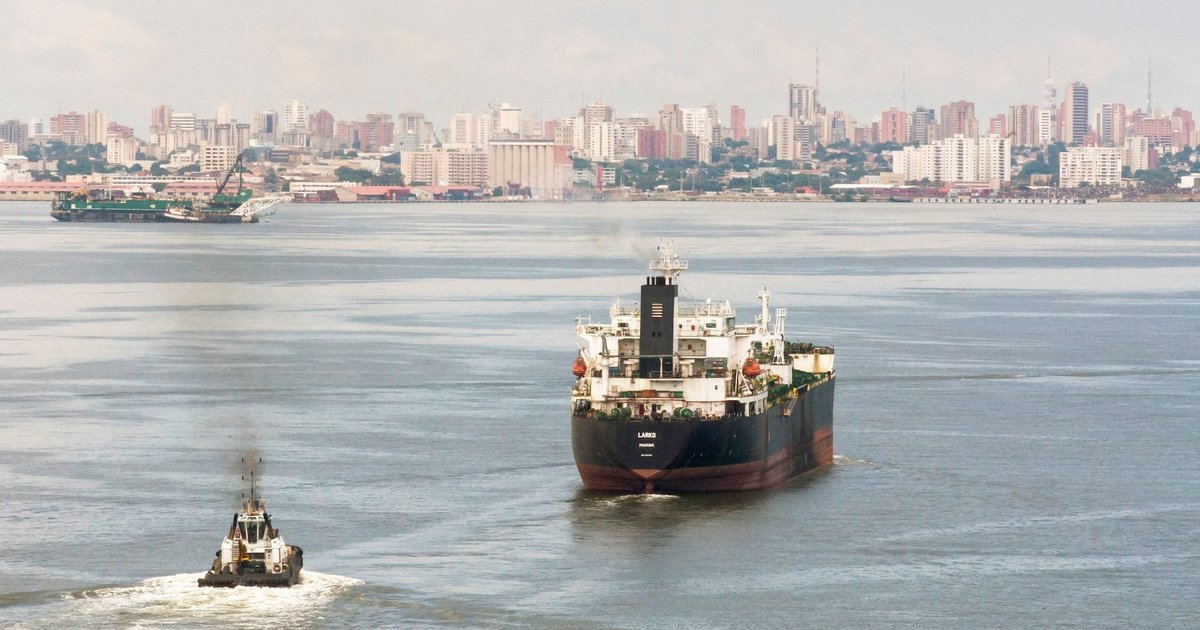
Three dark oil tankers loaded with Venezuelan oil remain stranded in the country following the ousting of President Nicolás Maduro, underscoring the persistent challenges facing Venezuela's oil industry. These vessels, part of a fleet known as the "dark fleet," reflect the complex situation the country is experiencing after years of economic sanctions.
These tankers were loaded with oil before Maduro's fall but have been unable to leave Venezuelan ports due to restrictions on oil exports. This predicament illustrates how Venezuela's oil industry continues to suffer from the effects of sanctions aimed at undermining the government's ability to export oil, which is the country's primary source of revenue.
Details of the Situation
Reports indicate that these three tankers, which were carrying significant oil shipments, remain stuck in Venezuelan ports, raising questions about how the new government will manage the oil sector. Despite Maduro's removal, the challenges facing the oil sector persist, as the new government must contend with the repercussions of previous sanctions.
The oil industry in Venezuela is one of the largest in the world, yet it has faced substantial setbacks in recent years. Sanctions imposed by the United States and the European Union have led to reduced production and deteriorating infrastructure, significantly impacting the Venezuelan economy.
Background & Context
Historically, Venezuela was one of the largest oil producers globally, possessing vast oil reserves. However, the industry began to collapse in recent years due to corruption, mismanagement, and international sanctions. In 2019, a severe political crisis erupted, leading to Maduro's ousting, but economic challenges remain.
This situation demonstrates how Venezuela's oil industry continues to suffer from the effects of sanctions, as oil is considered the primary source of revenue. Despite political changes, the economic situation remains dire, making it difficult for the new government to achieve stability.
Impact & Consequences
The condition of these tankers highlights the significant challenges facing the new Venezuelan government in rebuilding the oil industry. Sanctions are expected to continue affecting the country's ability to export oil, exacerbating economic and social crises.
Moreover, the continuation of these circumstances could worsen humanitarian crises in the country, as many residents rely on oil revenues to meet their basic needs. Therefore, any efforts to rebuild the industry will require international support and radical internal reforms.
Regional Significance
The plight of these stranded tankers not only reflects the internal struggles of Venezuela but also has broader implications for regional stability. The ongoing economic turmoil could lead to increased migration and social unrest, affecting neighboring countries.
In conclusion, the situation surrounding these oil tankers is a stark reminder of the challenges that Venezuela faces in its oil sector. The new government must navigate a complex landscape of sanctions and economic hardship while striving to restore the country's former oil glory.