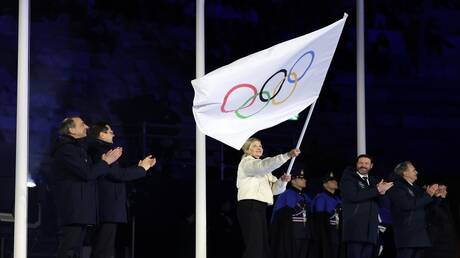
In a controversial move, the International Olympic Committee (IOC) has announced its decision to prohibit transgender athletes from competing in women's events during the Olympic Games. This decision comes at a time when discussions about the rights of transgender individuals are intensifying across various fields, including sports.
The decision is based on biological considerations, as the committee confirmed that competition in the women's category will be restricted to athletes who were assigned female at birth. This decision reflects the challenges faced by the committee in balancing sports fairness with individual rights.
Details of the Decision
This step follows a series of discussions and debates that have lasted for years regarding how to handle the participation of transgender individuals in sports. Numerous questions have been raised about whether this group of athletes possesses an unfair competitive advantage compared to biologically female athletes.
In recent years, there have been several cases of transgender athletes participating in sports competitions, leading to widespread controversy regarding the impact on competition outcomes. Some countries have proposed amendments to sports laws to be more inclusive, but the IOC ultimately chose to make this decisive ruling.
Background & Context
Historically, sports have reflected social and cultural changes within society. With the increasing awareness of transgender rights, many sports organizations have begun to reevaluate their policies. In 2015, the IOC issued a set of guidelines allowing transgender individuals to participate in competitions, provided their testosterone levels fall within certain limits.
However, these guidelines were not sufficient to assuage concerns regarding fairness in competition. This led to increasing pressure on the IOC to reconsider its policies, culminating in the recent decision that has sparked significant controversy.
Impact & Consequences
This decision could have far-reaching implications for women's sports. While some seek to protect the rights of biologically female athletes, others view this ruling as discrimination against transgender individuals. This may exacerbate divisions within the sports community and raise questions about how to balance individual rights with the rights of other groups.
Moreover, this decision may provoke negative reactions from human rights organizations advocating for transgender rights, potentially affecting the IOC's reputation and increasing pressure on it to revisit its policies.
Regional Significance
In the Arab region, this decision could spark discussions about transgender rights, an issue that remains sensitive in many countries. Transgender individuals face significant challenges in Arab society, including discrimination and social stigma.
This decision may raise awareness about human rights issues in the region and encourage discussions on how to achieve justice and equality in sports. It could also open the door for more dialogues about transgender rights in Arab communities, contributing to a shift in negative perceptions towards them.
In conclusion, the IOC's decision stands out as an important step in the ongoing discussions about transgender rights in sports. As pressures and challenges mount, the question remains: how will sports address these complex issues in the future?