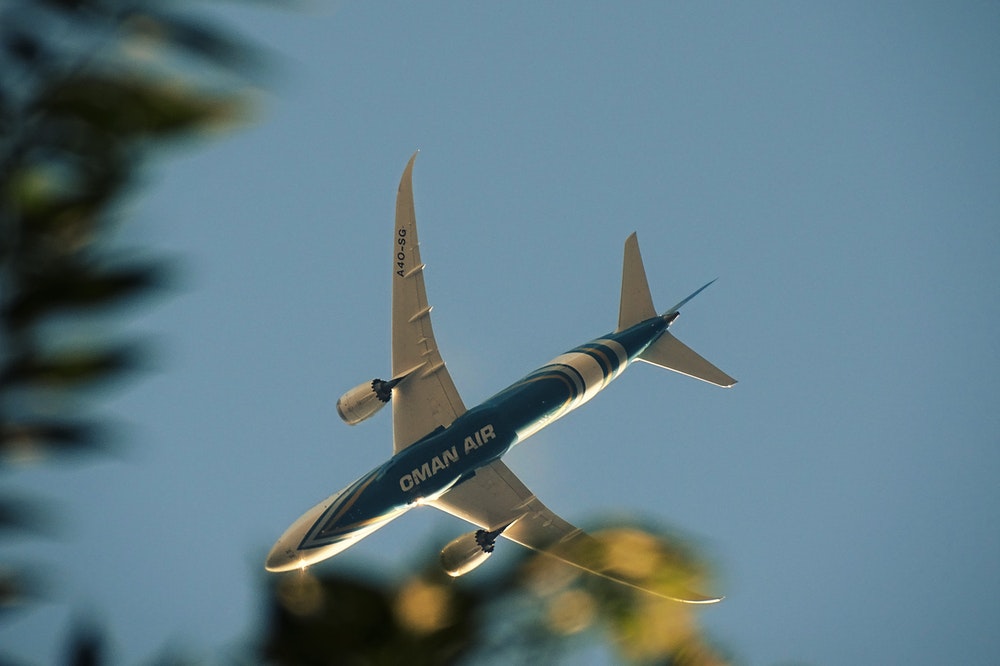
Oman has announced that airlines will not be required to provide compensation to travelers in cases of force majeure, marking a significant step towards regulating passenger rights and clarifying responsibilities. This decision follows a comprehensive review of policies related to air travel, emphasizing that circumstances beyond control, such as natural disasters or political crises, exempt airlines from compensation obligations.
The Omani government aims to enhance transparency in the aviation sector through this decision, as force majeure events pose significant challenges for airlines, affecting their ability to deliver reliable services. Officials have indicated that this measure will strengthen the companies' capacity to manage crises more effectively.
Details of the Decision
As part of this decision, clear criteria for force majeure situations have been established, allowing airlines to better understand their responsibilities. The Omani Minister of Transport and Communications noted that this decision aligns with the government's efforts to improve the business environment and boost investments in the aviation sector.
Furthermore, the importance of effective communication with travelers has been emphasized, ensuring that accurate information about their rights in cases of delays or cancellations will be provided. This decision comes at a time when the aviation sector in Oman is experiencing notable growth, with an increase in the number of flights and the expansion of airline networks.
Background & Context
Historically, airlines have faced significant challenges in dealing with force majeure situations, often under pressure from travelers demanding compensation. These pressures have led to numerous legal disputes, prompting governments to reevaluate compensation policies.
In recent years, many countries have witnessed similar changes in their policies, implementing new laws aimed at protecting consumer rights while maintaining the stability of airlines. This step is part of a global trend towards improving regulations in the aviation sector.
Impact & Consequences
This decision is expected to have a substantial impact on the aviation sector in Oman, helping companies reduce costs associated with compensation. It will also contribute to enhancing investor confidence in the Omani market, potentially leading to increased investments in this vital sector.
However, this decision may raise some concerns among travelers, who might feel insecure in the event of an emergency. Therefore, it is crucial for the government to work on raising awareness about travelers' rights and providing necessary support.
Regional Significance
This move holds particular importance for the Arab region, where many countries face similar challenges in the aviation sector. This policy may inspire other nations to adopt similar measures, contributing to improving the business environment in the region.
Amid the economic challenges faced by many Arab countries, such policies could help foster stability and growth in the aviation sector, which is a key driver of the economy.