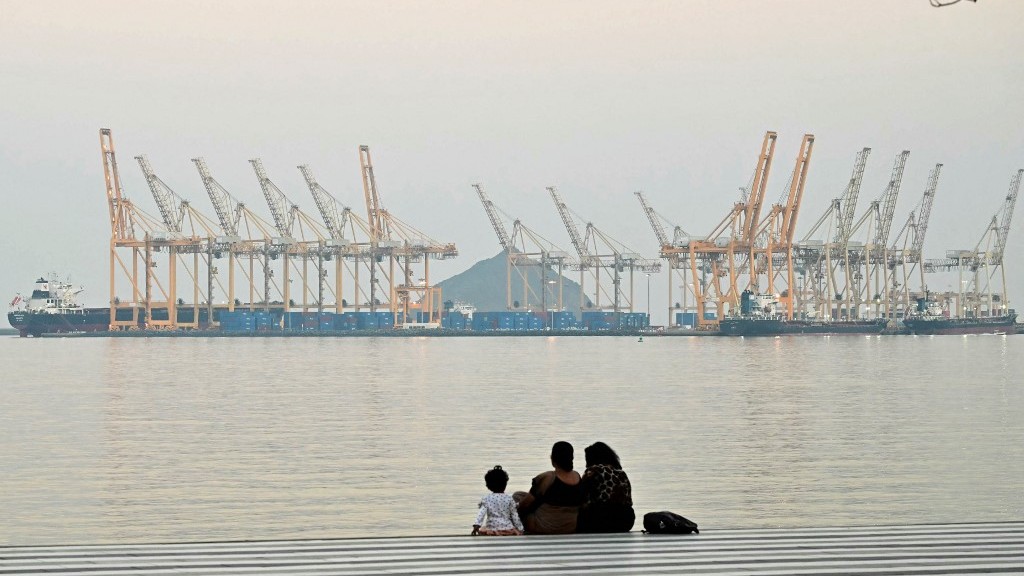
The Sultanate of Oman has announced that it is engaging in discussions with the Islamic Republic of Iran concerning the reopening of the Strait of Hormuz, according to the Omani official news agency. These talks come at a sensitive time as military tensions are escalating in the region between Iran on one side and the United States and Israel on the other.
The meeting took place between representatives from the foreign ministries of both countries, where multiple options for reopening this vital waterway were presented. A number of specialists from both sides attended the meeting, reflecting the importance of this issue under the current circumstances.
Details of the Event
The Strait of Hormuz is considered one of the most important waterways in the world, through which approximately 20% of the world's oil passes. The strait has experienced partial closure by Iran since the beginning of American and Israeli attacks on its territory last February. This closure has significantly affected international shipping and trade.
At the same time, Israel and the United States continue to carry out airstrikes against Iranian targets, complicating the security situation in the region further. These strikes have resulted in the deaths of several Iranian civilians and military personnel, prompting strong reactions from Tehran.
Background & Context
Historically, the Strait of Hormuz has been a theater of political and military tensions, having witnessed numerous crises over the past decades. In recent years, fears have escalated regarding the intensification of conflict between Iran on one side and the United States and its allies on the other, making the region more fragile.
Oman, which enjoys good relations with both parties, plays an important role in mediation efforts. It has historically acted to ease tensions between Iran and Western countries, making it a potential starting point for resolving disputes.
Impact & Consequences
If the talks succeed in reopening the Strait of Hormuz, it could have a positive impact on the global economy, contributing to the stabilization of oil prices. However, any further escalation in the conflict could lead to severe consequences for regional and international security.
Concerns are growing that the continuation of airstrikes could provoke retaliatory actions from Iran, potentially complicating the situation further. In this context, dialogue between Oman and Iran is seen as a positive step towards de-escalation.
Regional Significance
These discussions are significant for neighboring Arab countries, as the stability of the Strait of Hormuz directly affects trade and energy movement in the region. Any escalation in the conflict could impact oil prices and increase economic pressures on Arab nations.
In conclusion, all eyes remain on the outcomes of these talks, as any progress in this direction could contribute to achieving stability in a region plagued by ongoing tensions.