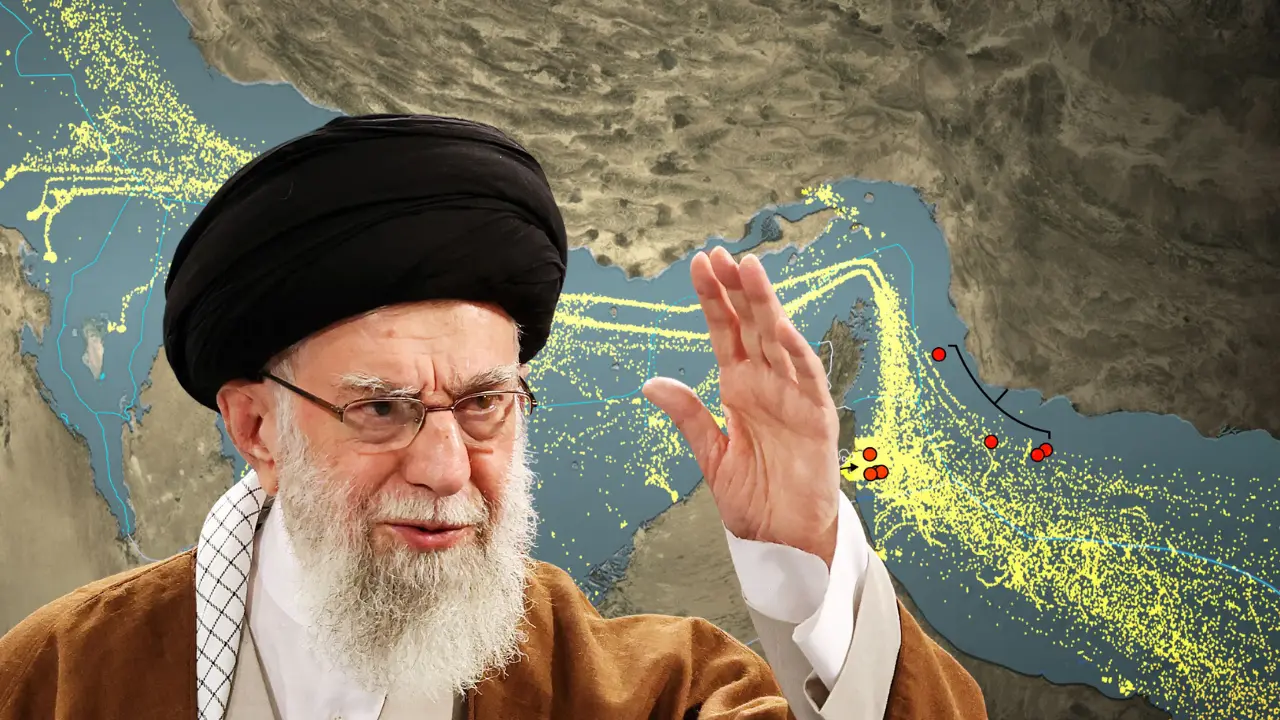
Oman's Minister of Transport and Communications, Said Al-Maawali, emphasized on Wednesday that imposing fees on ships traversing the Hormuz Strait is unjustified and violates international maritime agreements. He clarified that the strait is a natural waterway, placing it beyond unilateral control.
Al-Maawali's remarks were a response to media reports suggesting that Iran and Oman might impose fees on passing ships, with some sources indicating that these fees could be collected using digital currencies. The Omani minister denied these claims, asserting that Oman’s position is clear and steadfast.
Details of the Event
During a session of the Omani Shura Council, Al-Maawali stated, "Oman's stance on this issue aligns with international maritime agreements that regulate navigation in international waters." He pointed out that some countries, including the United States and Iran, have not signed these agreements, creating legal loopholes in this context.
He also added that negotiations regarding the future of the Hormuz Strait are ongoing through diplomatic channels, with the Omani Foreign Ministry participating in these discussions. These statements come at a sensitive time as the region experiences increasing tensions.
Background & Context
The Hormuz Strait is considered one of the most important waterways in the world, through which approximately 20% of the world's total oil passes. Historically, the strait has been the scene of numerous conflicts and tensions between countries, particularly between Iran and Western nations. In recent years, concerns have grown over escalating tensions in the region, impacting maritime traffic.
It is noteworthy that the United States has shown increased interest in monitoring navigation in the strait, as it seeks to ensure freedom of navigation in this strategic area. In this context, Al-Maawali's statements underscore the importance of international cooperation in maintaining navigational safety.
Impact & Consequences
Any attempt to impose fees on ships passing through the Hormuz Strait could escalate tensions between the involved countries, potentially affecting global trade flows. Additionally, the imposition of fees might deter some companies from using this vital passage, leading to increased transportation costs.
On the other hand, these developments could influence global oil prices, as any disruption in navigation in the strait could lead to price hikes, impacting the global economy. Therefore, Oman’s rejection of these fees may contribute to stabilizing the situation.
Regional Significance
The Arabian Gulf region is one of the most politically and economically sensitive areas. Any changes in navigation policies in the Hormuz Strait could directly affect neighboring Arab countries, especially those that rely on oil as a primary source of revenue.
Oman's stance against imposing fees reflects a desire to maintain regional stability and enhances the importance of cooperation among Arab nations in facing common challenges. In light of the current tensions, diplomatic dialogue remains the optimal choice for resolving disputes.