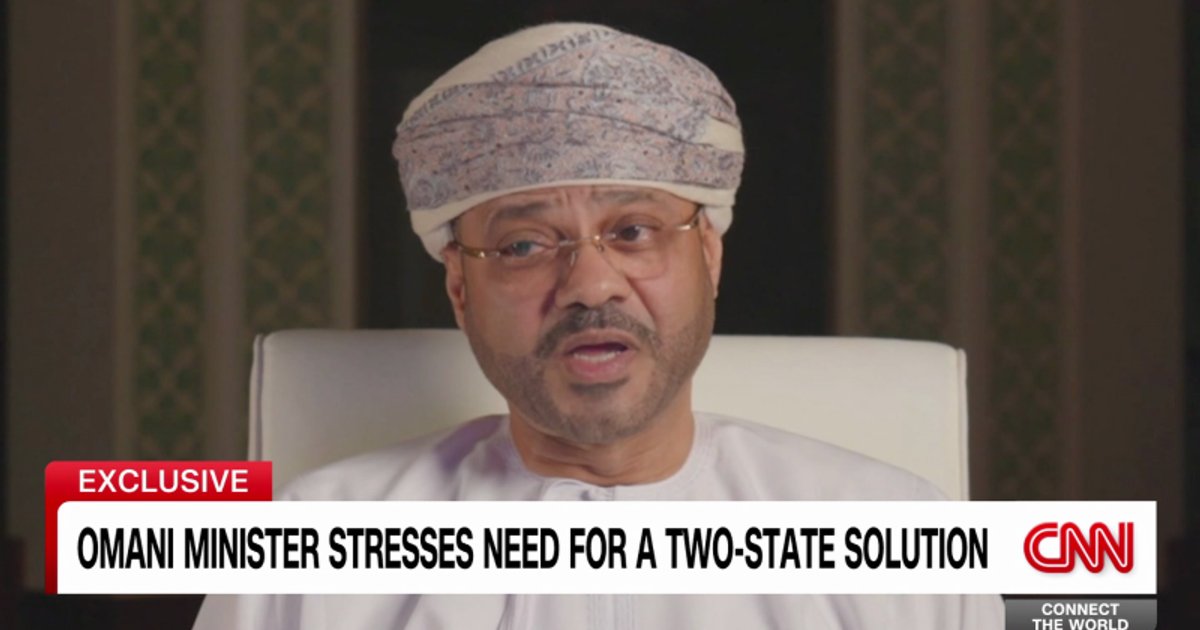
Oman's Foreign Minister Badr al-Busaidi called on both the United States and Iran on Sunday to work towards extending the current ceasefire, emphasizing the need for "painful concessions" to ensure the success of negotiations aimed at finding a final solution to the conflict in the Middle East.
In a tweet on the platform X, al-Busaidi stressed the importance of continuing discussions, stating: "I urge the extension of the ceasefire and the continuation of talks. Success may require painful concessions from all, but this pales in comparison to the pain of failure and war."
Details of the Event
Al-Busaidi's statements came after the failure of talks hosted in Islamabad between Washington and Tehran, which aimed to reach an agreement on outstanding issues between the two sides. He noted that he met with U.S. Vice President J.D. Vance just hours before the outbreak of war, where he sensed a genuine desire from the U.S. administration to avoid the horrors of conflict.
He added that his stance reflects the urgent need for peaceful solutions, especially given the difficult circumstances facing the region.
Background & Context
This call comes at a sensitive time, as relations between the United States and Iran are increasingly strained, particularly following the failure of previous negotiations regarding the Iranian nuclear program. Oman has played a significant role in facilitating dialogue between the two parties, having hosted a round of negotiations last February that included high-level U.S. and Iranian officials.
This tension in relations is reflected in the security and economic situations in the region, complicating the regional landscape further.
Impact & Consequences
If the situation continues as it is, it could lead to a new military escalation in the region, adversely affecting security and stability. Concessions from both sides may be the only solution to avoid further escalation, a point emphasized by al-Busaidi in his remarks.
The potential repercussions of this conflict include increased tensions in neighboring countries and its impact on the global economy, particularly in energy sectors.
Regional Significance
This call from the Omani Foreign Minister serves as a message to other Arab countries that are suffering from internal and external conflicts. The success of negotiations between Washington and Tehran could contribute to regional stability and enhance the prospects for peace in neighboring countries.
In conclusion, hope remains that the involved parties will respond positively to this call and be able to overcome the obstacles hindering the path to peace.