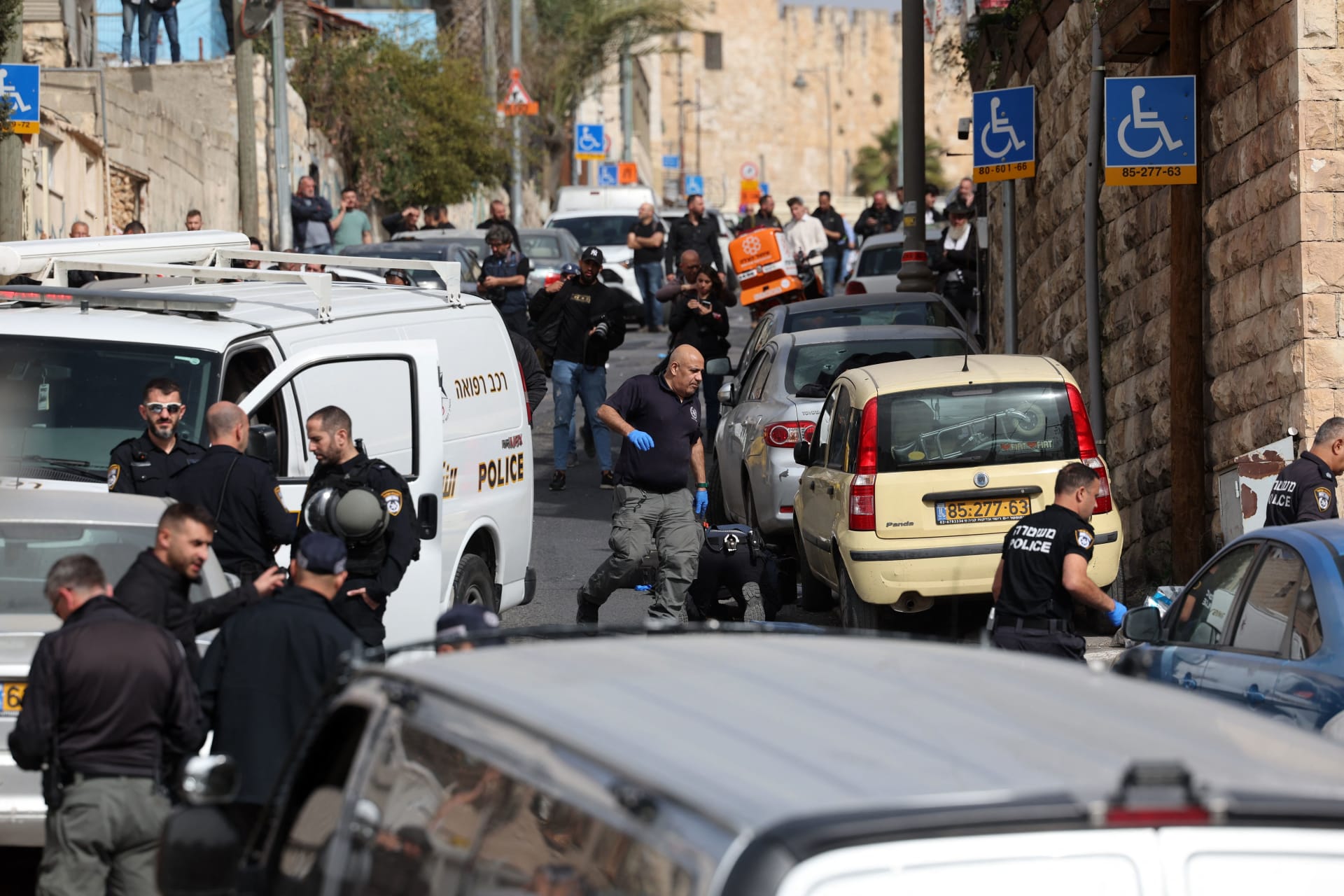
Israeli ambulance services announced on Thursday that one person was killed and another injured in a missile attack targeting northern Israel. The incident comes at a time when the region is witnessing heightened tensions between Israel and Lebanese Hezbollah, backed by Tehran, raising fears of a larger military escalation.
According to the service's statement, the victim is a man in his thirties, while another man, around fifty years old, is receiving treatment in the hospital. The attack reflects the increasing tensions in the area, where clashes between Israeli forces and Hezbollah are escalating, raising concerns about the implications of this escalation on regional security.
Details of the Incident
The missile attack that occurred in northern Israel comes at a sensitive time, as the Jewish state is engaged in a multi-front war, including the ongoing conflict with Hezbollah. These events coincide with military operations carried out by Israel in cooperation with the United States against Iran, complicating the security situation in the region.
Reports of gunfire exchanges between Israeli forces and Hezbollah along the Lebanese border are increasing, as both sides seek to strengthen their positions. The mutual attacks reflect a state of instability in the region and underscore the necessity for diplomatic solutions to ease tensions.
Background & Context
Historically, the border between Israel and Lebanon has witnessed numerous conflicts, with Hezbollah being one of the prominent actors in these disputes. The party was established in the 1980s in response to the Israeli occupation of Lebanon and has since become a key player in Lebanese and regional politics.
In recent years, tensions between Israel and Hezbollah have intensified, particularly following Iran's intervention in the Syrian conflict and its support for the party. This military and political support bolsters Hezbollah's position, increasing the challenges Israel faces in maintaining its security.
Impact & Consequences
The recent attack could have serious implications for regional security, potentially leading to a larger escalation in the conflict between Israel and Hezbollah. If the escalation continues, other regional and international powers may intervene, complicating the situation further.
This attack may also affect relations between Israel and Arab countries, particularly those seeking to normalize relations with Tel Aviv. The rise in violence could hinder peace efforts and increase instability in the region.
Regional Significance
Considering the regional dimensions of the conflict, events in northern Israel could impact neighboring Arab countries, potentially leading to increased tensions in Lebanon and Syria. Moreover, the escalation of violence may contribute to the strengthening of extremist groups in the region, further increasing the security challenges faced by Arab governments.
Ultimately, the current situation in the region requires careful analysis and international cooperation to mitigate military escalation and seek peaceful solutions to ongoing conflicts.