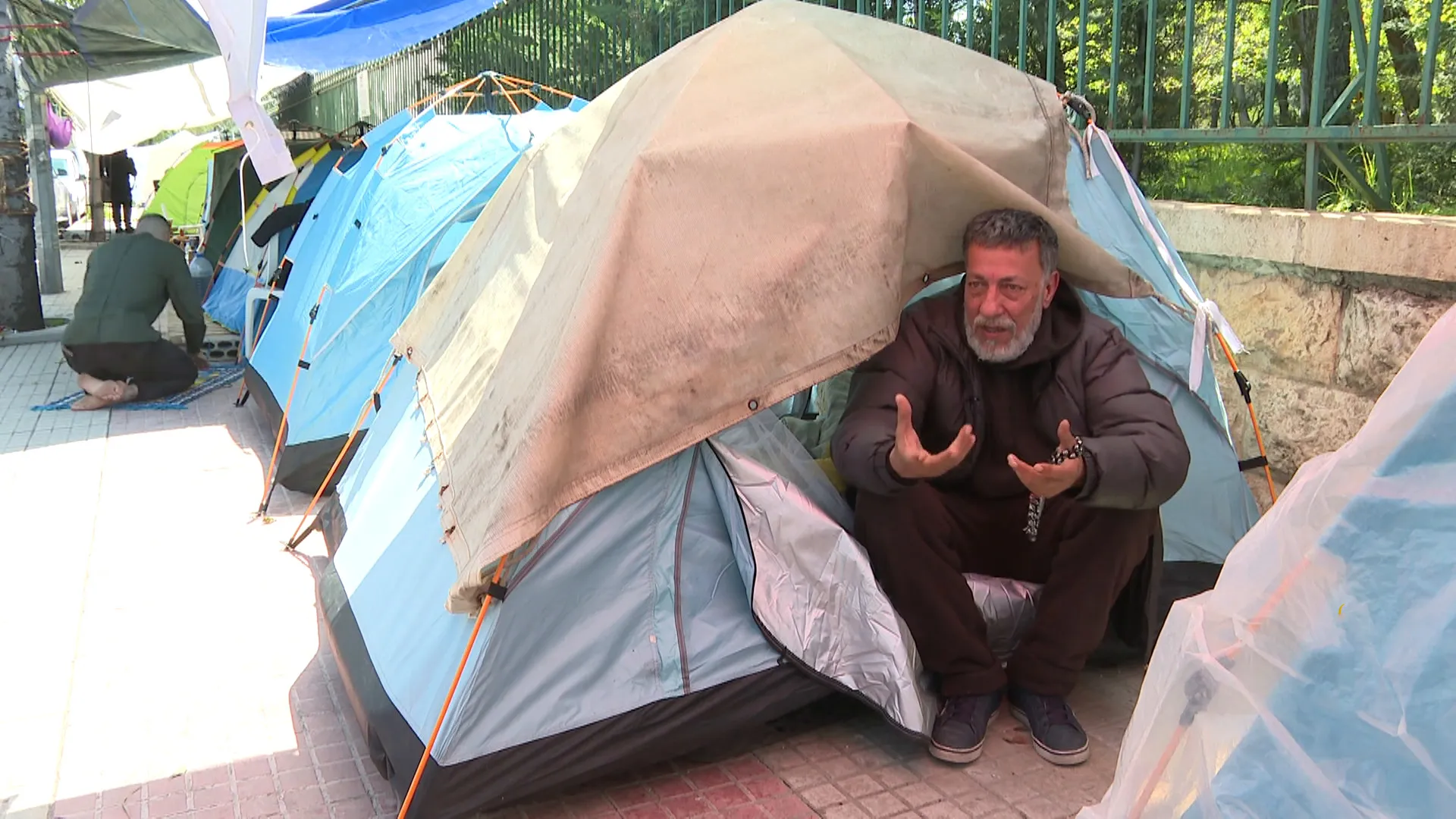
A full month has passed since the war erupted on the Lebanese front, and many displaced individuals continue to suffer from difficult living conditions. With their homes destroyed, they find themselves forced to adapt to harsh life circumstances in shelters and tents, which exacerbates their psychological and social suffering.
Al Jazeera's camera captured a glimpse of the suffering of these displaced individuals, showcasing scenes that reflect the scale of the humanitarian disaster they are experiencing. Many have lost their homes and loved ones, leaving them in a constant state of anxiety and stress about their future.
Details of the Situation
The war in Lebanon continues to impact civilian lives, with the number of displaced individuals significantly increasing. Reports indicate that the number of displaced has exceeded 100,000 people, placing immense pressure on the limited resources available in shelters. The displaced are suffering from acute shortages of food and water, in addition to inadequate health conditions.
Shelters are spread across various regions, but most lack basic services. Some displaced individuals have reported difficulties in accessing healthcare, raising their concerns about diseases that may spread under these conditions.
Background & Context
The history of conflicts in Lebanon stretches back decades, with the country experiencing multiple wars and struggles. The latest war comes amid increasing political and economic tensions, as Lebanon grapples with a crippling economic crisis that has affected all aspects of life. These crises make it difficult for the government to provide the necessary assistance to the displaced.
The displaced are not only victims of the war but also victims of the economic and political crises plaguing the country. The destruction of homes and infrastructure complicates the situation, as the displaced urgently need support from the international community.
Impact & Consequences
This humanitarian crisis significantly affects stability in Lebanon, increasing pressures on the government and local communities. With the rising number of displaced individuals, experts predict that security and social conditions will worsen, potentially leading to future crises.
These circumstances require an urgent response from humanitarian organizations and donor countries, as food and health assistance must be provided to the displaced. Failure to take swift action could exacerbate humanitarian conditions, threatening the stability of the entire region.
Regional Significance
The displacement crisis in Lebanon is part of a larger crisis affecting the Arab region. With increasing conflicts in countries like Syria and Palestine, displaced individuals face similar challenges. Arab solidarity and humanitarian support are vital to addressing these crises.
The current situation in Lebanon calls for Arab countries to unite and provide the necessary support to the displaced, not only through humanitarian aid but also by offering political and economic support to the Lebanese government.
The suffering of the displaced in Lebanon represents a significant challenge that requires an immediate response from the international community. As the war continues, hope for improving humanitarian conditions remains, but it necessitates joint efforts from all concerned parties.