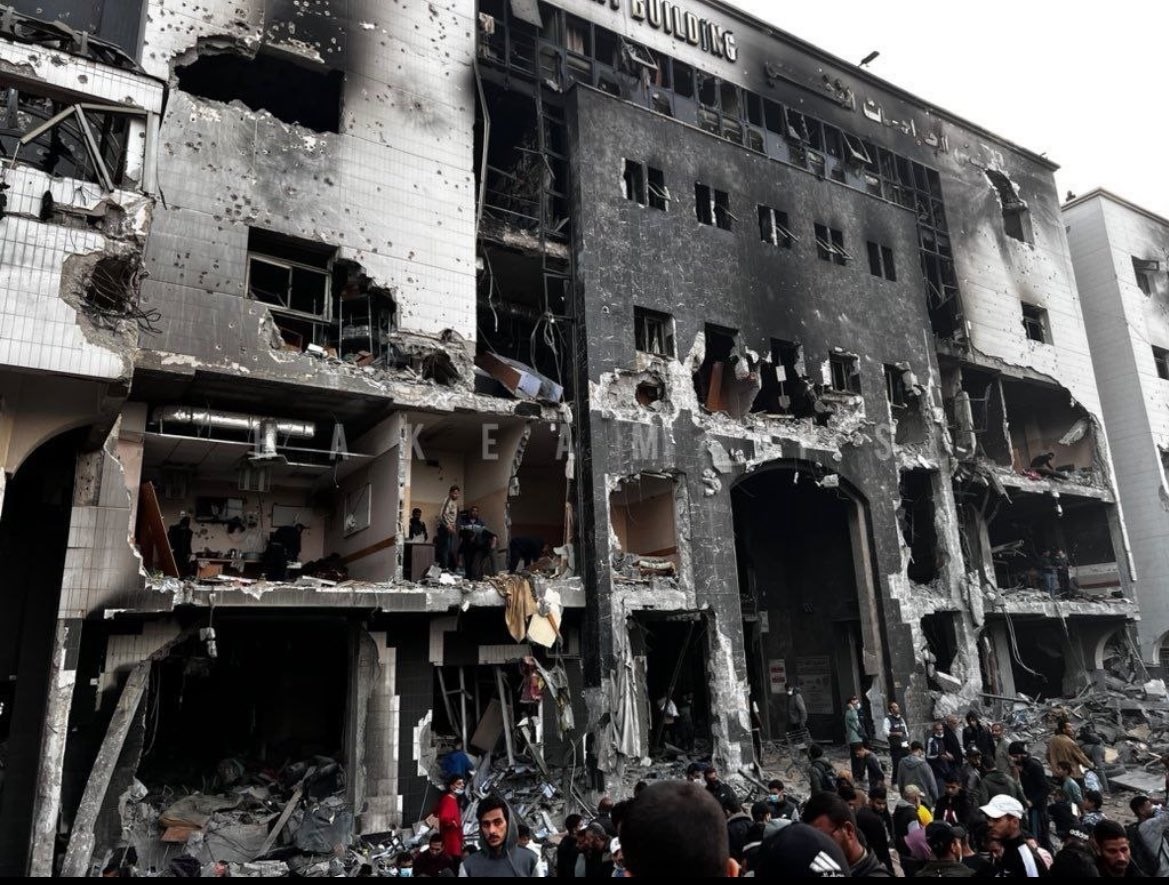
A month has passed since the outbreak of war in Lebanon, and hospitals are fighting on two fronts: the emergency injuries front and the services resilience front. Hospitals are suffering from severe shortages of medical supplies and medications, as the number of injured and displaced individuals without safe shelter continues to rise.
In a white room weighed down by silence, interrupted only by the beeping of heart and breathing machines, Intisar Yassin lies on a bed in one of the southern hospitals. She stares longingly at the ceiling, as if searching for an explanation for what happened, murmuring softly: "The house no longer exists." She was inside her home in the Al-Midan neighborhood of Nabatieh when an Israeli missile shattered the stillness of the night. She recalls the moment in a shaky voice, saying: "I heard a huge explosion, then everything collapsed on me—shattered glass, falling stones, and total darkness."
Details of the Incident
Under the rubble, there was nothing but darkness and the weight of shock, before hands reached out to pull her out. She tells Al Jazeera Net: "Young men came and rescued me; they were probably from the civil defense." Most hospitals in the south and Bekaa are experiencing acute shortages of medical supplies and medications, according to reports from the Lebanese Ministry of Health and humanitarian organizations such as the Red Cross and Doctors Without Borders.
The director of a hospital visited by Al Jazeera Net states that the needs are very high, ranging from medical equipment to supplies that may run out soon, in addition to food items, as "current resources are limited, and we cannot continue for more than a month if the crisis persists like this." Intisar lives alone, summarizing her life now in one sentence: "Life is very difficult."
Context and Background
The war in Lebanon continues amid escalating humanitarian crises, with residents suffering from the effects of ongoing bombardments. The pressures on hospitals are increasing as they attempt to provide healthcare amid severe resource shortages. Reports indicate that the humanitarian situation is deteriorating rapidly, threatening the lives of many.
Ali Hussein (20 years old) is one of the survivors of the bombardment, having come to Lebanon from Syria in search of work, only to find himself suddenly in the midst of an Israeli airstrike. Ali says: "We were on our way from Beirut to 'Yahmur' in the Nabatieh district to deliver goods to a chicken shop; there was nothing to indicate danger." But things changed suddenly, as the road transformed into a bombardment zone.
Consequences and Impact
United Nations reports warn that the continuation of bombardments and damage to infrastructure threaten the provision of basic healthcare, exacerbating the risk of disease spread among the injured and displaced alike. The director of the Baalbek government hospital indicates that the hospital is fully prepared according to the emergency plan, assuring residents that the stock of medications and medical supplies is sufficient for a period ranging from six months to a full year.
Hospitals are receiving large numbers of injured individuals, with around 35 injured reported since the beginning of the war, and most of the casualties are women and children. The humanitarian situation is becoming increasingly complex, as many find no safe shelter, forcing them to stay in their homes despite the danger.
Impact on the Arab Region
The repercussions of the war in Lebanon extend beyond its borders, affecting the stability of the entire region. The humanitarian testimonies from survivors reflect a shared suffering experienced by many Arab countries that have witnessed similar conflicts. The continuation of the conflict in Lebanon could exacerbate humanitarian crises in neighboring countries, necessitating an urgent response from the international community.
In conclusion, hope for peace and stability remains what the Lebanese people aspire to, amid harsh humanitarian conditions that require urgent support and assistance.