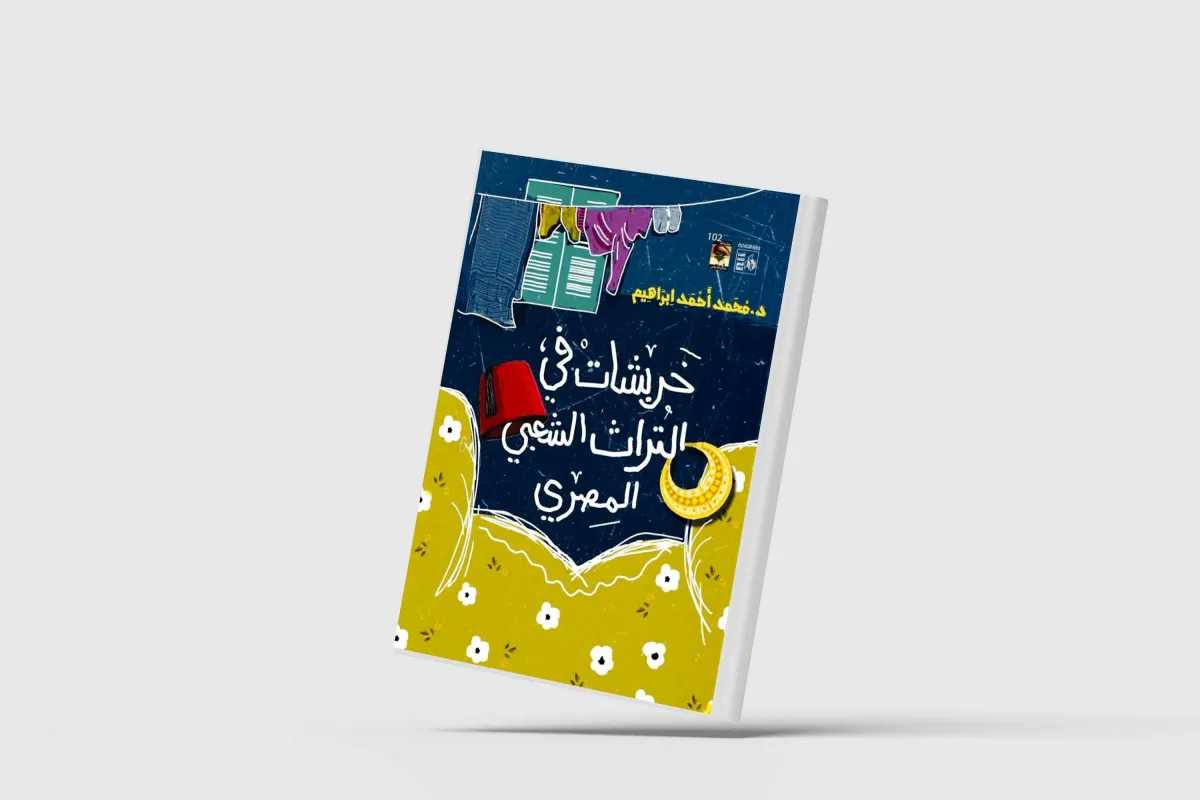
Dr. Mohamed Ahmed Ibrahim, in his book 'Scratches in Egyptian Folklore,' published by the 'General Authority for Cultural Palaces,' unveils the significance of the onion plant in Egyptian folklore. It is one of the oldest vegetables known to ancient Egyptians, who revered it. The name of the onion has been immortalized on the walls of temples and papyrus scrolls, as it was placed in the coffins of mummies, believed to assist the deceased in breathing upon their return to life.
Dr. Ibrahim also noted that the physicians of the pharaohs prescribed onions as a strengthening food for the laborers who participated in building the pyramids, considering it nutritious, invigorating, and a diuretic.
Event Details
The researcher traced the history of onions in his book, mentioning that its original name was known as 'Badger' or 'Basar,' which later transformed into 'Basil' in Semitic and Arabic languages. The name of the onion is linked to many ancient legends, including the story of a pharaoh king whose only son could not be healed by doctors. The king summoned the high priest of the Temple of Amun, who used onions as a means to expel the evil spirits affecting the child's health, resulting in his recovery.
The book also discusses the legend of 'Nadah,' which tells of a beautiful woman who appears in the fields at night, where it is believed that placing a bundle of onions at the door protects against her evil. Another legend involves evil spirits appearing in the form of a cat, tempting the victim with a treasure of gold, which turns into an onion by morning.
Background & Context
In the ninth century, the ruler Muhammad Ali Pasha established a port in Alexandria called 'Mina al-Basal,' where crops such as cotton and onions were gathered for export to Europe. Onions are also associated with many popular phrases in Egypt, such as 'he peels onions' to indicate poverty and 'cramming himself like an onion' to denote meddling in others' affairs.
Proverbs hold a special place in Egyptian culture, with around a hundred proverbs addressing onions, such as 'the onion of the beloved is a sheep,' which expresses appreciation for the simple things that come from loved ones.
Impact & Consequences
The importance of onions in Egyptian folklore emerges as a symbol of cultural identity, reflecting the customs and traditions passed down through generations. Onions are considered part of the cultural heritage that connects the past with the present, embodying the social and cultural values of Egyptians.
The continued use of onions in daily life and social occasions reflects their deep connection to Egyptian culture, as they are used in many traditional dishes and recipes, enhancing their status in society.
Regional Significance
Studying folklore like this serves as a window into understanding Arab culture in general, reflecting the values and customs shared by Arab communities. Moreover, onions, as a cultural symbol, demonstrate how simple ingredients in daily life can carry deep and historical meanings.
In conclusion, Dr. Mohamed Ahmed Ibrahim's book illustrates how folklore can be a rich source for understanding cultural identity, emphasizing the importance of preserving these heritages for future generations.