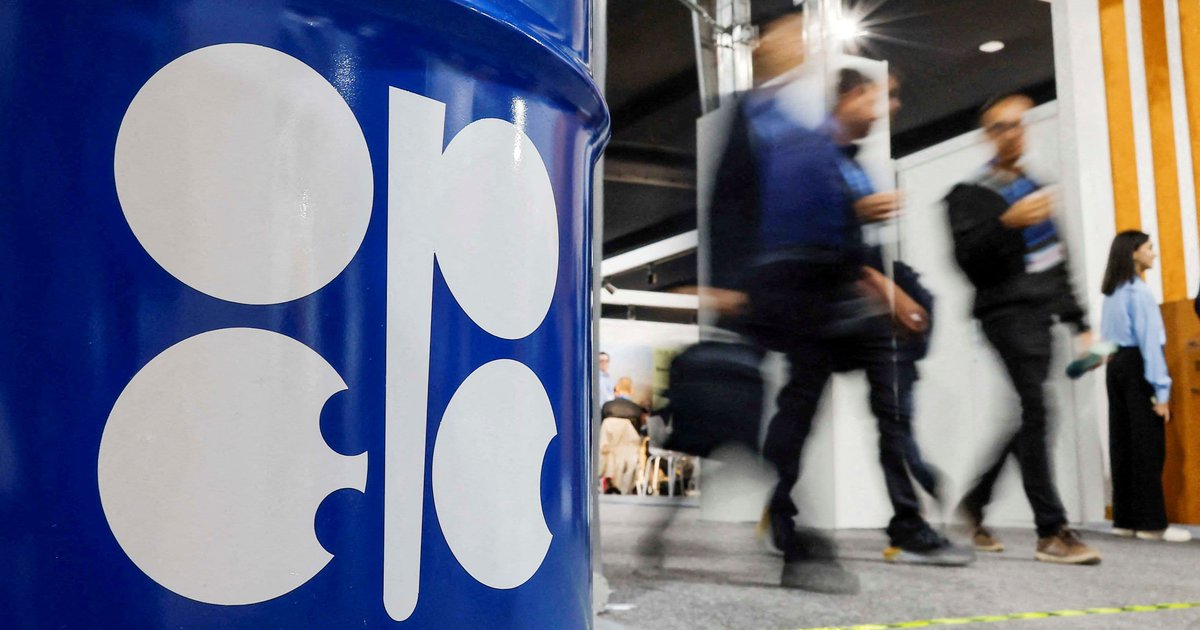
On Sunday, April 5, OPEC+ approved an increase in oil production quotas by 206,000 barrels per day for May, a modest rise that may be practically unfeasible given the current regional conditions. The conflict between the United States, Israel, and Iran has closed the Strait of Hormuz, the world's most crucial oil passage, since late February, leading to reduced oil exports from OPEC+ member countries such as Saudi Arabia, the UAE, Kuwait, and Iraq.
Oil prices have surged sharply, nearing $120 per barrel, which has increased transportation fuel costs and put pressure on consumers and businesses globally. Although the increase in quotas represents less than 2% of the supplies affected by the closure of the Strait of Hormuz, it reflects the willingness of member countries to boost production once the waterway is reopened.
Details of the Meeting
Eight OPEC+ members met virtually on Sunday, where the Joint Ministerial Monitoring Committee expressed concern over attacks on energy assets, noting that these attacks are costly and time-consuming to repair, significantly impacting supplies. With ongoing disruptions in the Gulf, countries like Russia are struggling to increase production due to Western sanctions and infrastructure damage from the war in Ukraine.
Reports indicate that conditions may take months to normalize, even if the war stops and the Strait of Hormuz is opened immediately. The current conflict has caused the largest disruption in oil supplies ever, estimated to have removed between 12 to 15 million barrels per day, or up to 15% of global supplies.
Background & Context
Historically, the Strait of Hormuz is a vital point for oil transport, with approximately 20% of global oil supplies passing through it. The region has witnessed increasing tensions in recent years, affecting price stability and raising significant concerns among consumer nations. Military conflicts in the area often lead to rising oil prices due to fears of supply shortages.
In light of these circumstances, OPEC+ continues its efforts to adapt to global challenges, striving to maintain market balance and meet the needs of member countries. However, the current challenges require a swift and effective response to ensure price stability.
Impact & Consequences
Forecasts suggest that oil prices could rise above $150 per barrel if the closure of the Strait of Hormuz continues until mid-May, according to reports from J.P. Morgan. This potential price increase would significantly impact the global economy, leading to higher transportation and energy costs, thereby pressuring consumers and businesses.
Moreover, the ongoing supply disruptions could exacerbate economic crises in many countries, especially those heavily reliant on oil as a primary revenue source. Thus, the current situation requires close monitoring by policymakers worldwide.
Regional Significance
For Arab countries, the situation in the Strait of Hormuz has direct economic implications. Gulf nations, which rely on oil exports, may face significant challenges if prices continue to rise or supplies are interrupted. Additionally, any escalation in the conflict could affect regional stability and heighten tensions.
In conclusion, the current situation in the Strait of Hormuz necessitates a coordinated response from OPEC+ member countries to ensure market stability. Regional and international cooperation will also be essential to mitigate the effects of the conflict and ensure the continuous flow of oil.