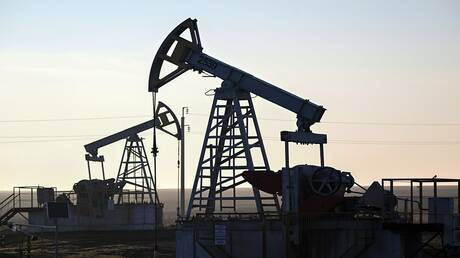
Russian Deputy Prime Minister Alexander Novak announced that OPEC+ member countries will increase oil production by 206,000 barrels per day starting from the beginning of May. This move is part of the group's efforts to stabilize the oil market and meet the rising energy demand.
This increase is a component of OPEC+'s strategy to achieve balance in global markets, especially in light of the economic challenges faced by many countries. Novak indicated that this increase will help enhance price stability and meet consumer needs.
Event Details
The OPEC+ group consists of OPEC member states along with other countries like Russia. This group works in a coordinated manner to regulate oil production, significantly impacting global prices. The new increase is expected to bolster member countries' capacity to face economic challenges.
This increase follows a period of volatility in oil prices, where markets have seen notable rises in recent months. The decision reflects the member countries' desire for greater market stability, especially with the summer season approaching, which typically sees an increase in energy consumption.
Background & Context
OPEC was established in 1960 with the aim of coordinating oil production policies among member states. As the oil market evolved, other countries joined the group, leading to the formation of OPEC+. In recent years, there have been significant changes in oil demand due to global economic and political developments.
Russia is one of the largest oil producers in the world and plays a prominent role in shaping OPEC+ policies. Geopolitical conditions, such as trade disputes and sanctions, have influenced production and export strategies.
Impact & Consequences
This increase in production is expected to affect global oil prices, potentially leading to price stabilization or even a decrease if demand is sufficiently met. Additionally, this step may reflect OPEC+'s ability to adapt to market changes.
On the other hand, member countries may face challenges in maintaining a balance between production and prices, especially amid increasing competition from alternative energy sources. Thus, the success of this increase depends on market response and consumer needs.
Regional Significance
Arab countries that are members of OPEC are among the biggest beneficiaries of this increase, as it will enhance their oil revenues. Moreover, the stability of oil prices has a direct impact on Arab economies that heavily rely on oil revenues.
In light of global economic challenges, this move could support developmental projects in the region, thereby enhancing economic and social stability.
In conclusion, this increase in oil production represents an important step towards achieving greater market stability and reflects OPEC+'s ability to adapt to global changes. It remains to be seen how this move will affect prices and markets in the coming months.