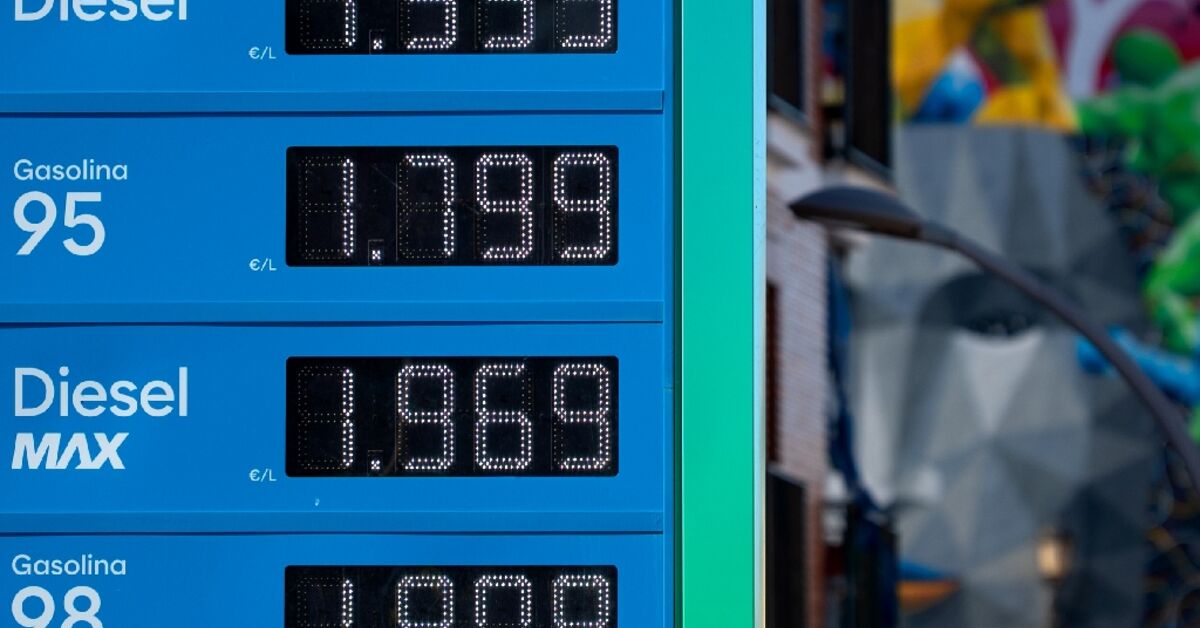
In a new move aimed at enhancing oil production, OPEC+ announced an increase in production quotas by 206,000 barrels per day starting from May. This increase follows two consecutive months of quota raises, reflecting the ongoing trend among member states to bolster production in light of shifting global economic circumstances.
The OPEC+ member countries include major producers such as Russia and Saudi Arabia, along with several Gulf nations that have faced aerial attacks from Iran. The organization confirmed that the production increase comes at a critical time, as many nations are grappling with challenges related to repairing energy facilities damaged due to ongoing conflicts in the region.
Details of the Announcement
This increase in production quotas is part of OPEC+'s strategy to adapt to the rising global demand for oil. Officials within the organization noted that repairing damaged facilities requires substantial investments and a lengthy timeframe, which could impact the ability of countries to meet increasing demands.
Reports also indicate that OPEC+ member states are closely monitoring market developments, as any changes in prices could affect future production decisions. This step is seen as a response to mounting global pressures, including from major consuming nations seeking to ensure stable oil supplies.
Background & Context
Founded in 1960, OPEC aims to coordinate the policies of its member states regarding oil production. Over time, other countries have joined the organization, leading to the formation of the OPEC+ alliance, which includes nations like Russia. Oil prices have experienced significant fluctuations in recent years due to geopolitical and economic factors.
The oil markets have been heavily impacted by conflicts in the Middle East, where wars and disputes have led to the destruction of numerous energy facilities. These conditions have increased the importance of cooperation among oil-producing nations to ensure market stability.
Impact & Consequences
The increase in production quotas by OPEC+ is a strategic move aimed at enhancing price stability in the global market. However, the challenges associated with repairing damaged facilities may affect member countries' ability to meet rising demand.
This move could also escalate tensions between producing and consuming nations, as major countries strive to secure stable supplies at reasonable prices. This could have a direct impact on the global economy, especially amid current economic challenges.
Regional Significance
OPEC+'s decisions directly affect Arab oil-producing countries, which are among the biggest beneficiaries of increased production. However, regional tensions, particularly between Iran and Gulf states, could impact market stability.
It is crucial for Arab nations to remain united in facing common challenges and to work on enhancing cooperation among themselves to ensure the stability of oil markets. Continued dialogue and collaboration among producing countries will contribute to strengthening energy security in the region.