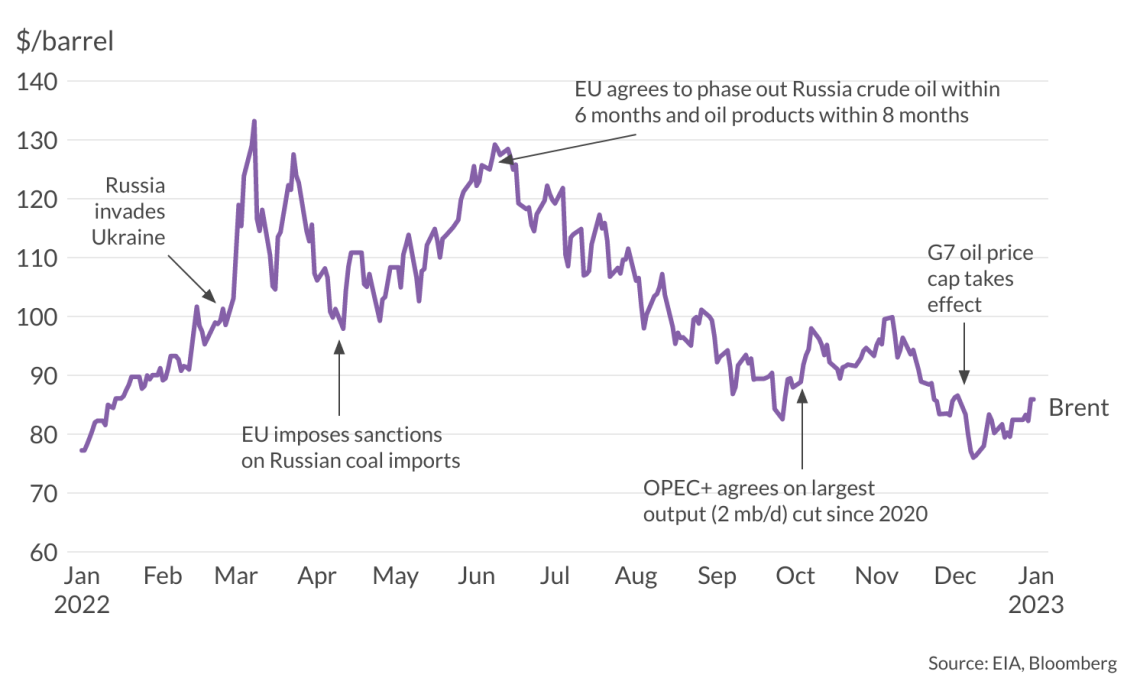
OPEC+ has declared its intention to implement a symbolic increase in oil production quotas for May, reflecting the ongoing challenges faced by global markets amid the persistent conflict in Iran. This increase occurs at a time when the world is experiencing rising energy prices, raising questions about the potential impact of this move on the markets.
This decision coincides with escalating tensions in the Middle East, where conflicts are affecting the stability of oil supplies. Observers have noted that this symbolic increase may not be sufficient to compensate for potential supply shortages resulting from the conflict in Iran, which could lead to greater price volatility.
Details of the Announcement
OPEC+, which includes member countries of OPEC and their allies, aims to balance supply and demand in the oil market. However, the ongoing conflict in Iran may hinder these efforts, as analysts expect that the continuation of hostilities will reduce oil supplies from the region.
In this context, OPEC+ is carefully considering its options, as any decision could significantly impact global prices. Reports have indicated that some member countries of OPEC may be hesitant to increase production, fearing the effects on prices.
Background & Context
Historically, OPEC+ has played a vital role in stabilizing global oil markets. However, geopolitical tensions, such as the conflict in Iran, can lead to unpredictable price fluctuations. Over the years, oil markets have witnessed numerous crises that resulted in significant price hikes, affecting global economies.
Iran is one of the largest oil producers in the world, and any disruption in its production can have far-reaching effects on the market. In recent years, Iran has faced economic sanctions that have impacted its ability to export oil, complicating the market situation further.
Impact & Consequences
The expected symbolic increase in production quotas may lead to some price stability in the short term, but ongoing tensions in the region could result in greater volatility. These developments may affect oil-consuming countries, potentially leading to increased energy costs.
Moreover, any escalation in the conflict could provoke reactions from major powers, further complicating the situation. In this context, it is crucial for OPEC+ to monitor the situation closely to ensure market stability.
Regional Significance
Arab oil-producing countries are a crucial part of OPEC+, and any changes in production policy could directly impact their economies. Given the current tensions, these countries may face challenges in balancing increased production with maintaining price stability.
Additionally, rising oil prices could have positive effects on some Arab economies, but they may also place pressure on consuming countries. Therefore, the current situation requires a swift and effective response from the concerned nations to ensure market stability.