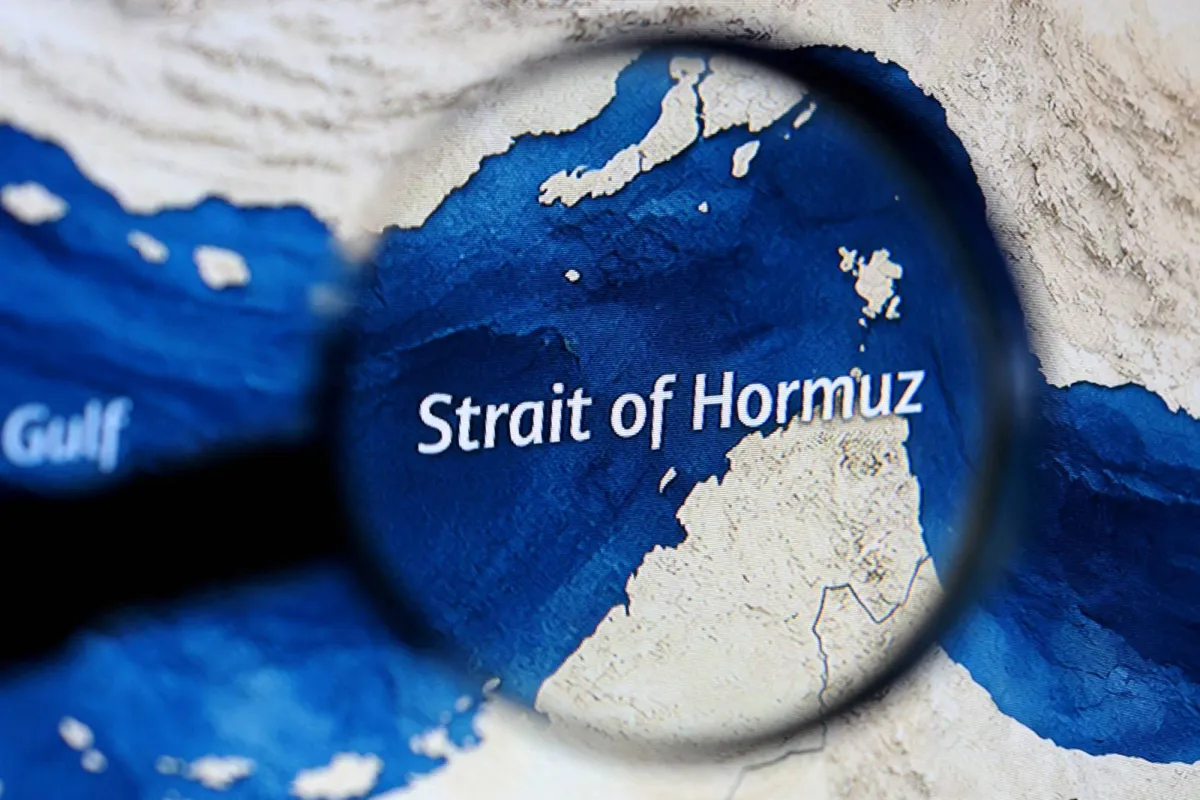
The OPEC Plus ministerial monitoring committee has announced its significant concern regarding the repercussions of the ongoing war on energy supply security, indicating that attacks targeting energy infrastructure pose a serious threat. The committee confirmed that rehabilitating facilities damaged by these attacks requires considerable time and financial resources, affecting supply availability in the markets.
The committee noted that any actions undermining energy supply security, whether through targeting infrastructure or disrupting international shipping routes, increase market volatility and weaken collective efforts under the "Declaration of Cooperation" aimed at supporting market stability.
Details of the Event
In a proactive step, the eight member countries of the alliance decided to increase production by 206,000 barrels per day for the upcoming month of May. The committee praised member countries that have taken measures to ensure supply continuity, particularly through the use of alternative export routes, which has contributed to reducing market volatility.
In a related context, the Saudi Ports Authority announced a significant leap in enhancing supply chain resilience and logistical connectivity with global markets by launching 13 new maritime shipping services. This move is part of the Authority's strategy to develop operational performance in major ports.
Background & Context
These warnings coincide with escalating geopolitical tensions in the region, where attacks on oil facilities have increased in several countries. These events have significantly impacted global oil prices, prompting producing countries to take proactive measures to ensure market stability.
Historically, OPEC Plus has managed market fluctuations by coordinating production among member countries, but current challenges require a faster and more effective response. Previous experiences have shown that geopolitical crises lead to price increases and sharp market fluctuations.
Impact & Consequences
Forecasts indicate that the continuation of attacks on energy infrastructure could lead to rising oil prices, negatively impacting the global economy. Additionally, undermining energy supply security may affect investments in the sector, hindering future economic growth.
Moreover, market instability could increase pressure on consuming countries, which may be forced to seek costly alternatives to meet their energy needs. This, in turn, could affect local prices and increase the cost of living.
Regional Significance
The Arab region is considered one of the most affected areas by oil price fluctuations, as many countries rely on oil revenues as a primary source for financing their budgets. Therefore, any increase in prices could exacerbate economic crises in some countries.
Furthermore, deteriorating security conditions may lead to a decline in foreign investments, increasing the economic challenges faced by Arab countries. Under these circumstances, it becomes essential to enhance cooperation among OPEC Plus member countries to ensure market stability.
In conclusion, the greatest challenge facing OPEC Plus remains how to effectively address these crises and ensure oil price stability amid changing geopolitical conditions.