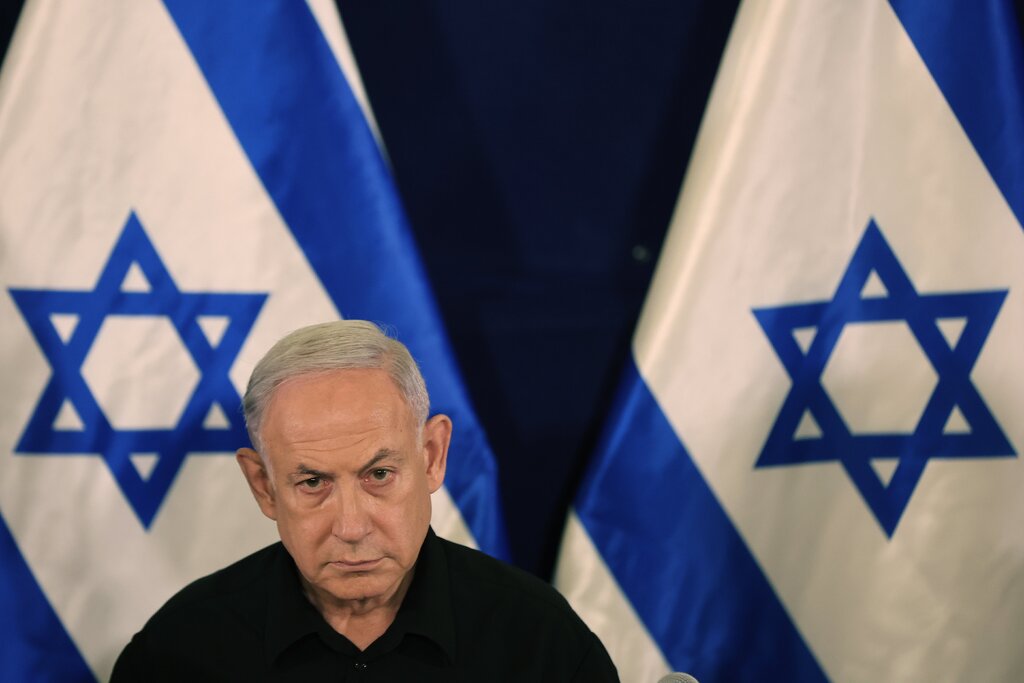
The Israeli Attorney General, Gali Baharav-Miara, has announced her willingness to engage in talks about the possibility of a plea deal with Prime Minister Benjamin Netanyahu, who is facing corruption charges. These statements come as political and public pressure mounts for a pardon, raising questions about the future and stability of the Israeli government.
The allegations against Netanyahu involve three main cases, including bribery, fraud, and breach of trust. His trial began in 2020, and since then, the case has seen numerous developments, including attempts by his supporters to pressure the judiciary for a resolution. The Attorney General's remarks are made in the context of this increasing pressure.
Details of the Situation
In her recent statements, Baharav-Miara confirmed that she is open to considering any proposals that may come from Netanyahu's defense team, indicating that the goal is to reach a solution that ensures justice for all. However, she did not specify any details regarding the potential terms of the deal, leaving room for speculation about what it might entail.
This move comes at a critical time for Netanyahu, who is facing significant political challenges, including rising opposition within the parliament. There are also concerns that this case could impact the stability of the current government, which relies on a fragile coalition.
Background & Context
Historically, Israel has seen numerous legal cases involving prominent politicians, but Netanyahu's case is considered one of the most complex and impactful. Since taking office, Netanyahu has faced multiple accusations, leading to a division in Israeli public opinion regarding his suitability to remain in power.
It is worth noting that Netanyahu has denied all allegations against him, claiming they are part of a political campaign against him. Nevertheless, the ongoing trial could weaken his political standing and affect his ability to govern.
Impact & Consequences
If a plea deal is reached, it could have significant implications for Israeli politics. It may lead to the stabilization of the current government, but it could also provoke angry reactions from Netanyahu's opponents, who view it as a retreat from justice.
Furthermore, this case could affect Israel's relations with the international community, especially with countries closely monitoring how Israel handles issues of corruption and justice. Any plea deal could raise questions about the integrity of the Israeli judicial system.
Regional Significance
Netanyahu's case is part of the broader political landscape in the Middle East, where domestic politics in Israel play a crucial role in relations with Arab nations. Any changes in Israeli leadership could impact the peace process in the region, especially amid ongoing tensions with the Palestinians.
Ultimately, Netanyahu's case remains under the global spotlight, intertwining politics and law, making it one of the most controversial issues in modern Israeli history.