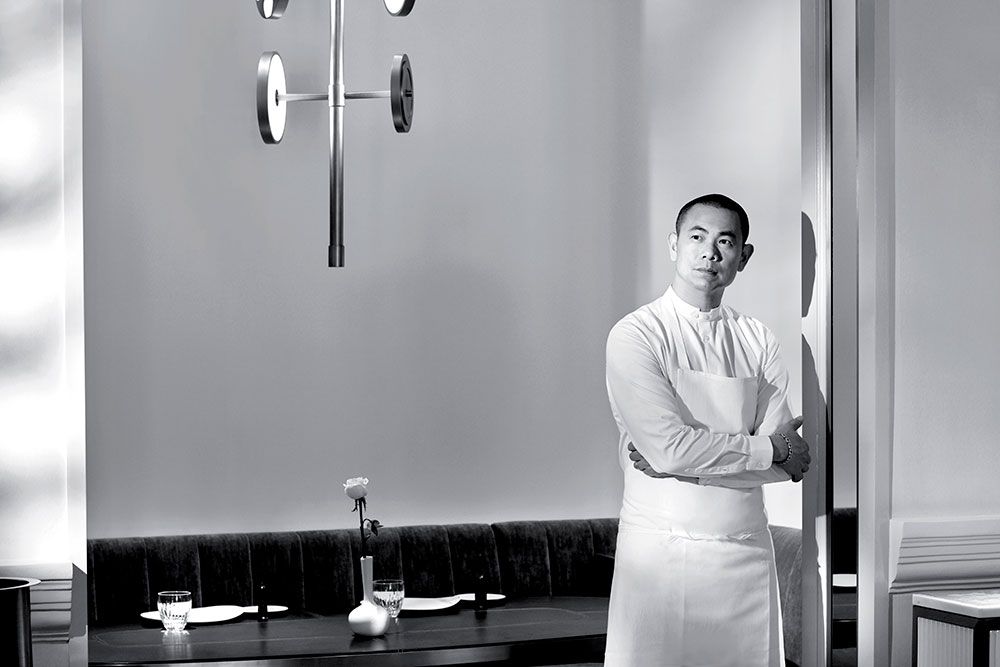
Renowned chef André Chiang has opened his new restaurant 1887 at the Raffles Hotel in Singapore, inspired by 19th-century culinary history. The restaurant aims to provide a unique dining experience that blends craftsmanship with modern options, allowing visitors to explore flavors from the past in a contemporary manner.
After closing his previous restaurant, Restaurant Andre, which earned three Michelin stars in 2018, many wondered if Chiang would return to Singapore, the city that helped shape his career. With the opening of 1887, the chef returns in a completely new way, focusing on connecting stories and history to the land rather than merely showcasing his cuisine.
Event Details
The restaurant 1887 serves as a time machine, as Chiang seeks to bring the restaurant back to its historical roots. Opened on March 31, it is located in one of Singapore's iconic landmarks. The venue features luxurious interior design, with Chiang collaborating with interior designer Bill Bensley to revive the historical atmosphere.
The menu includes dishes inspired by old menus, such as turtle soup and peking duck, along with the dessert wild rose ice cream. The restaurant also allows visitors to choose their dishes from around 60 options, giving them the freedom to shape their own experience.
Background & Context
The Raffles Hotel was established in 1887 and is considered a symbol of luxury hospitality in Singapore. The hotel has witnessed many historical events, including the coronation of King George VI and Queen Elizabeth in 1937. The design of the new restaurant reflects this rich heritage, adorned with artworks that echo the Victorian style.
Chiang drew inspiration from old archives containing menus from past eras, spending over a year researching traditional dishes that were served at the hotel. Through his restaurant, he aims to revive these memories and present them to visitors in a modern way.
Impact & Consequences
The restaurant 1887 represents a shift in the dining concept, as Chiang moves towards offering a more flexible experience for visitors. Instead of a fixed menu, guests can freely choose their dishes, reflecting changes in consumer preferences in the modern culinary world.
This new approach to dining serves as an invitation for visitors to explore flavors and history in an unconventional manner, enhancing the value of the culinary experience. Additionally, this project underscores the importance of preserving cultural heritage through cuisine, contributing to the enhancement of the region's cultural identity.
Regional Significance
The restaurant 1887 exemplifies how history and culture can be integrated into the dining experience, which can have a positive impact on restaurants in the Arab world. Arab restaurants can benefit from this model by exploring their cultural history and presenting it to visitors in an innovative way.
This trend towards offering flexible and personalized dining experiences can inspire Arab chefs to develop menus that reflect their cultural heritage and rich history, contributing to the promotion of cultural tourism in the region.