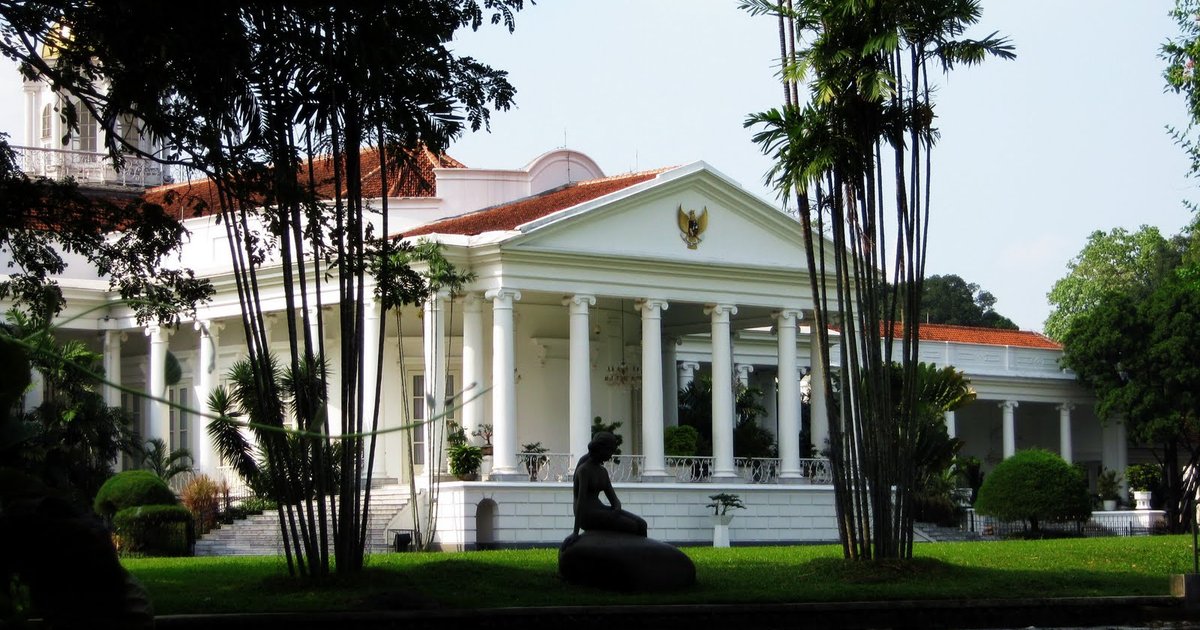
In a move aimed at enhancing government awareness among youth, Indonesian President Prabowo Subianto announced the opening of the presidential palace to host student visits. This initiative is part of the government's efforts to familiarize the new generation with the country's history and decision-making processes.
The Secretary of the Cabinet, Teddy Indra Wijaya, stated that this visit represents a part of the president's vision to provide students with a direct educational experience. The first visit was organized on Tuesday, April 7, 2026, by a group of students from a vocational high school in Jakarta.
Details of the Event
The visit included educational tours within the palace, where discussions and Q&A sessions were held with the students. They also had the opportunity to explore rooms used for important decision-making, such as the president's office and the ministers' inauguration area.
Teddy expressed his happiness at witnessing the students' enthusiasm during the visit, noting that for many of them, it was the first time they had seen the presidential palace up close. He emphasized that the president wishes for the palace to be open to everyone, especially during national events and holidays.
Background & Context
This initiative is part of a broader program launched by President Prabowo aimed at developing the youth in Indonesia. The program includes providing proper nutrition, renovating schools, improving health facilities, and enhancing digital education through the installation of educational televisions.
The Indonesian government aims to build a knowledgeable and educated generation capable of contributing to the country's future through these steps. It is expected that these visits will be expanded to include all eight presidential palaces in Indonesia.
Impact & Consequences
This step highlights the importance of government interaction with youth, which can help build trust between citizens and authorities. By providing students with a direct experience, their interest in governmental and political affairs may increase.
Moreover, such initiatives can help shape future leaders who will have a better understanding of governance and administration mechanisms. By reaching out to the youth, the government hopes to encourage them to think about their future and actively participate in society.
Regional Significance
This initiative can be seen as a model for Arab countries, where many nations lack direct interaction between youth and authorities. By enhancing government awareness, these steps can contribute to building more conscious and engaged communities.
Given the challenges faced by many Arab countries, enhancing education and interaction between youth and government is vital for building a better future. These initiatives could serve as a catalyst for developing similar programs in the region.