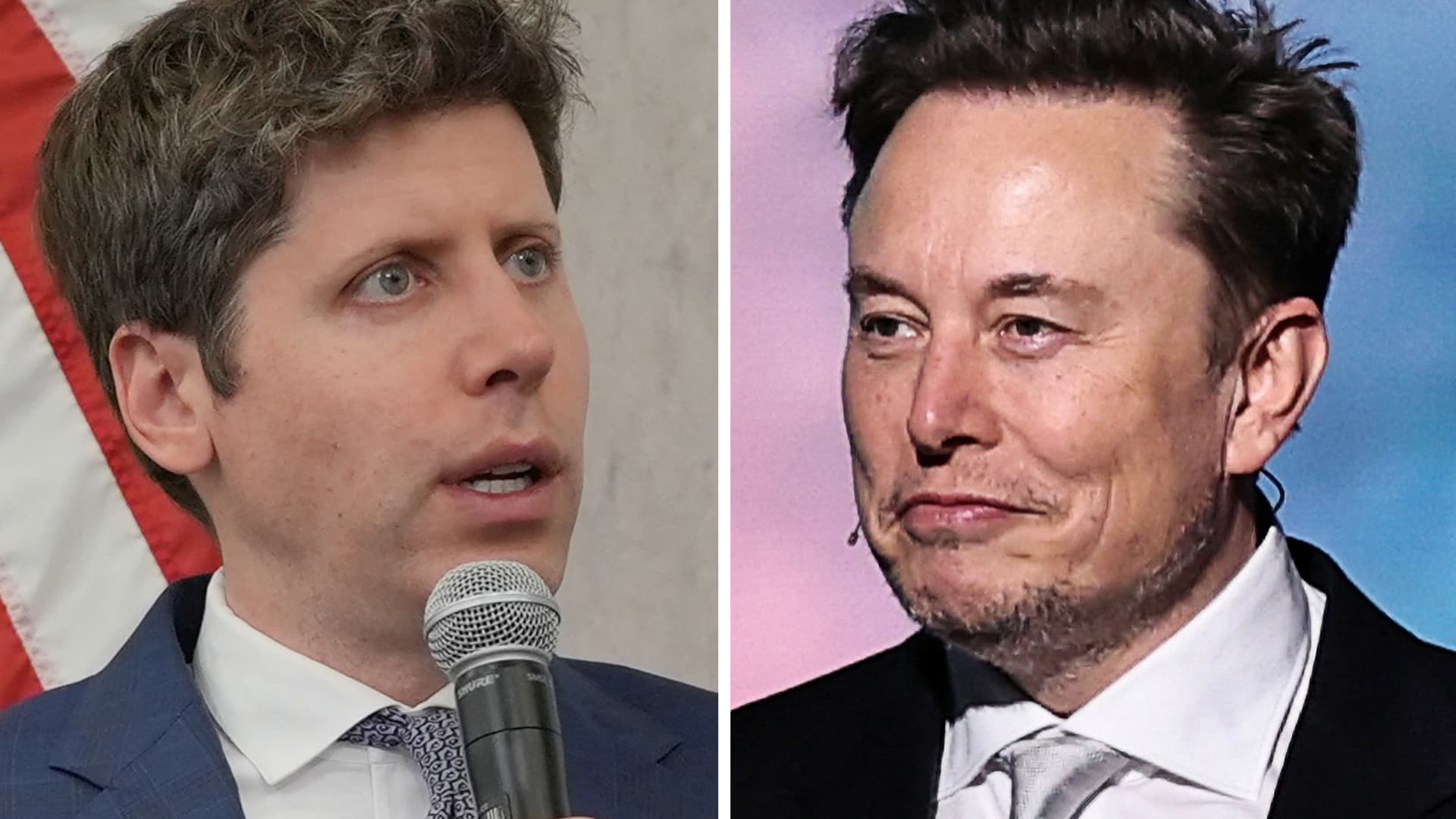
OpenAI, a leader in the field of artificial intelligence, has called on the attorneys general of California and Delaware to investigate what it has termed Elon Musk's anti-competitive behavior, in a letter sent on Monday. This request comes as a prominent trial between OpenAI and Musk, one of the company's co-founders, approaches.
In the letter, Jason Kwan, OpenAI's head of strategy, accused Musk of colluding with Mark Zuckerberg, CEO of Meta, to undermine OpenAI's efforts. Musk left the company in 2018 after attempting to merge it with Tesla, subsequently launching a new competing venture called xAI.
Details of the Event
All eyes are on the Northern California court where jury selection is set to begin on April 27. Kwan indicated that Musk's behavior could hinder OpenAI's efforts in developing general artificial intelligence, a system that surpasses or matches human intelligence.
Kwan described Musk's attacks as aimed at controlling the future of general artificial intelligence, placing it in the hands of competitors who do not bear responsibility for the safety of this technology. OpenAI has previously expressed concerns about Musk's actions, noting that he is likely to make unrealistic claims during the trial.
Background & Context
OpenAI was founded in 2015 as a non-profit lab, involving several executive researchers, including Elon Musk and Sam Altman. However, Musk left the company shortly after to establish his own ventures, leading to heightened tensions between him and OpenAI.
Last January, OpenAI sent a letter to investors warning them that Musk might make controversial claims to attract attention, which is considered part of his well-known approach to dealing with competitors.
Impact & Consequences
This case could have significant implications for the future of artificial intelligence, as the trial's outcome may determine how this growing sector is regulated. If OpenAI proves its allegations, it could lead to strengthened competition laws in the technology sector.
Moreover, this case may influence how major companies interact with one another in the future, especially amid increasing competition in the field of artificial intelligence.
Regional Significance
Given the rapid developments in artificial intelligence, Arab countries need to closely monitor this case. The trial's outcomes could affect how Arab nations invest in modern technology and how they regulate their local markets.
Additionally, enhancing competition laws may encourage startups in the region to innovate and provide new solutions, thereby strengthening the position of Arab countries in the technology sector.