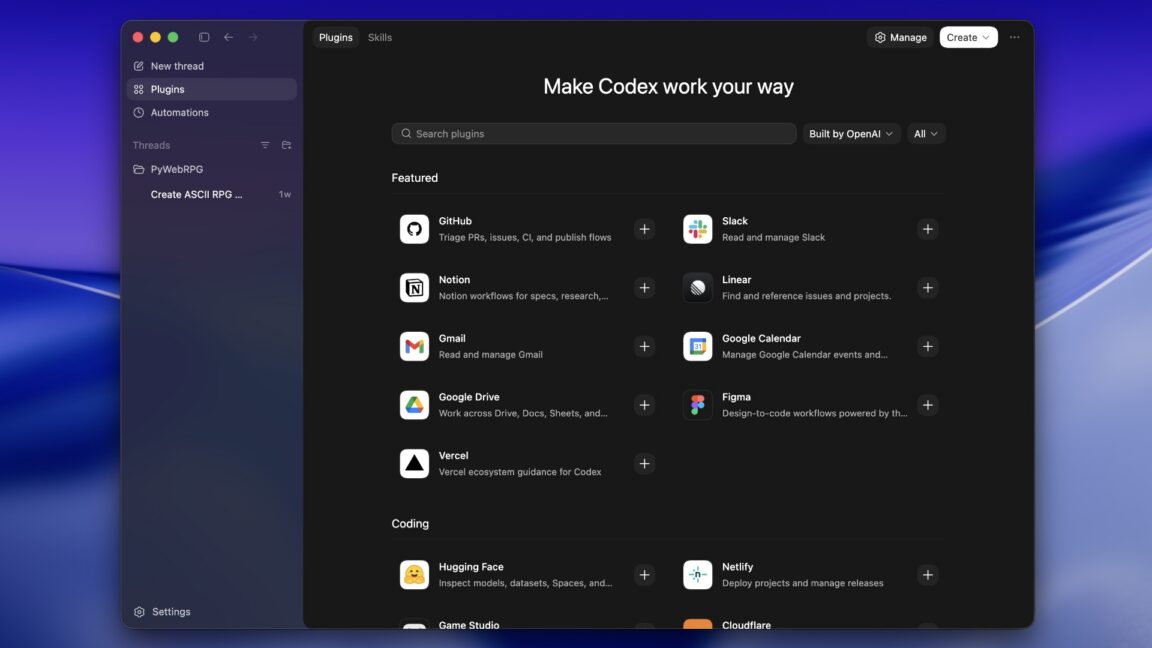
OpenAI, a leader in artificial intelligence, has launched new features for its Codex system, allowing users to benefit from this technology in various fields beyond traditional programming. This announcement comes at a time when technological advancements are accelerating, with major companies striving to provide innovative solutions that meet the growing market demands.
The new Codex features represent a strategic step by OpenAI to enhance its position in the artificial intelligence market, enabling users to utilize the system in areas such as content writing, idea generation, and even application development. This move reflects the general trend towards integrating artificial intelligence into various aspects of daily life, making it easier for individuals and businesses to take advantage of this advanced technology.
Details of the Announcement
The new features added to Codex include advanced tools that assist users in creating text, generating new ideas, and improving code more effectively. The user interface has also been enhanced to be more user-friendly, making it accessible to a wide range of users, including non-programmers.
This step comes after a period of intense competition among major companies in the field of artificial intelligence, where other companies have offered similar solutions. However, OpenAI hopes to distinguish itself by providing unique features that better meet user needs.
Background & Context
Founded in 2015, OpenAI has since become one of the leading companies in the field of artificial intelligence. It has made significant progress in developing AI models, including the GPT-3 model, which has proven effective in natural language processing. With the increasing reliance on artificial intelligence across various sectors, OpenAI aims to expand the use of its technologies to meet rising demand.
In recent years, we have witnessed a surge in the use of artificial intelligence in fields such as education, healthcare, and marketing, reflecting the importance of this technology in enhancing efficiency and productivity. However, there are challenges related to ethics and privacy, prompting companies like OpenAI to take steps to ensure the responsible use of their technologies.
Impact & Consequences
The new features of Codex are an important step towards integrating artificial intelligence into daily life. These features are expected to affect how individuals and businesses operate, as they will help accelerate creative and development processes. Additionally, this move may open the door to further innovations in new fields, enhancing companies' ability to adapt to rapid market changes.
However, there are concerns about the impact of this technology on the job market, as it may reduce the need for some traditional jobs. Therefore, companies and governments must work together to develop strategies that ensure a smooth transition for the workforce amid these changes.
Regional Significance
In the Arab region, the new features of Codex could contribute to enhancing innovation in fields such as education and technology. With the increasing reliance on artificial intelligence, Arab countries can benefit from this technology to improve their educational systems and enhance the capabilities of youth to compete in the global job market.
This technology could also open new horizons for startups in the region, contributing to the development of a more dynamic business environment. However, there must be clear strategies to ensure the responsible and safe use of these technologies.
The launch of the new Codex features by OpenAI represents an important step towards a more innovative future in the field of artificial intelligence. As this technology continues to evolve, it will be essential to monitor its impacts on society and the economy, especially in the Arab region.