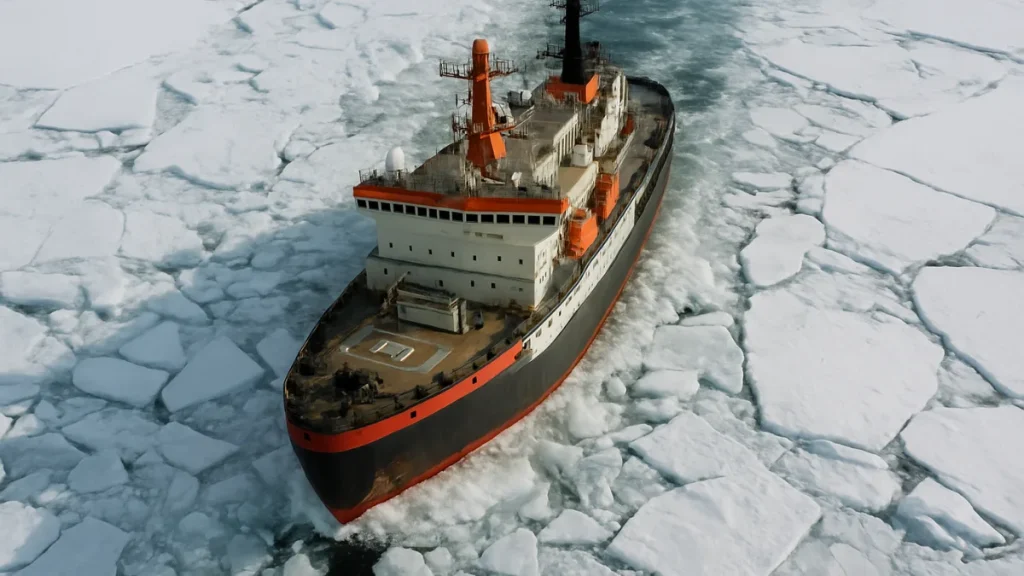
The significance of the Arctic is rising due to climate change leading to melting ice, which opens new shipping routes and enhances competition among major powers. Finland, regarded as a leader in icebreaker construction, is witnessing increasing interest from the United States, Russia, and China, all vying to expand their influence in this strategic region.
As temperatures rise, Arctic waters have become more accessible, presenting new opportunities for trade and investment. However, navigation in these icy waters still heavily relies on icebreakers, which are specialized vessels capable of cutting through thick ice.
Details of the Event
Finnish-made icebreakers are among the most advanced in the world, designed to operate in the harshest maritime conditions. These vessels feature reinforced steel hulls and are significantly thicker than regular commercial ships, allowing them to ride on ice sheets and crush them under their weight. This unique design enables them to open navigable routes in polar waters for other ships.
The history of icebreakers dates back to the late 19th century, and Finland has become a global hub for developing these vessels. Railo Technology (formerly known as Aker Arctic) is one of the leading companies in this field, adapting its designs to meet the challenges posed by rising temperatures in the Arctic, which is changing at three times the global average rate.
Background & Context
Historically, maritime access has been vital for Finland, with approximately 95% of its foreign trade transported by sea. Icebreakers play a crucial role in maintaining year-round trade flow, making Finland heavily reliant on this technology. As international interest in the Arctic grows, so does the importance of Finnish expertise.
Last October, the United States signed an agreement with Finland to purchase 11 icebreakers known as Arctic Security Cutters, citing concerns over national security and increased Russian and Chinese activity in the region. This indicates that the Arctic has become a new arena for geopolitical competition.
Impact & Consequences
Forecasts suggest that Arctic shipping routes could reduce the time needed to transport goods from China to Europe, providing a faster alternative to traditional maritime corridors. With increased traffic, demand for icebreaker services is expected to rise to ensure the operation of these routes.
The risks associated with climate change are increasing, as unstable weather conditions present new challenges for navigation. Arto Oskaliu, Head of Sales and Marketing at Railotech, states that icebreakers must be more capable of operating in open waters and high seas.
Regional Significance
For the Arab region, the Arctic is a strategic area that impacts global trade. Amid geopolitical tensions, such as the conflict in Iran and disturbances in the Strait of Hormuz, any changes in global supply chains could affect the economies of Arab countries. Therefore, understanding the new dynamics in the Arctic can help Arab nations plan for their commercial future.
In conclusion, the current situation in the Arctic demonstrates how climate change not only affects the environment but also opens new avenues for trade and geopolitical competition. Finland, with its icebreaker expertise, is a key player in this global game.