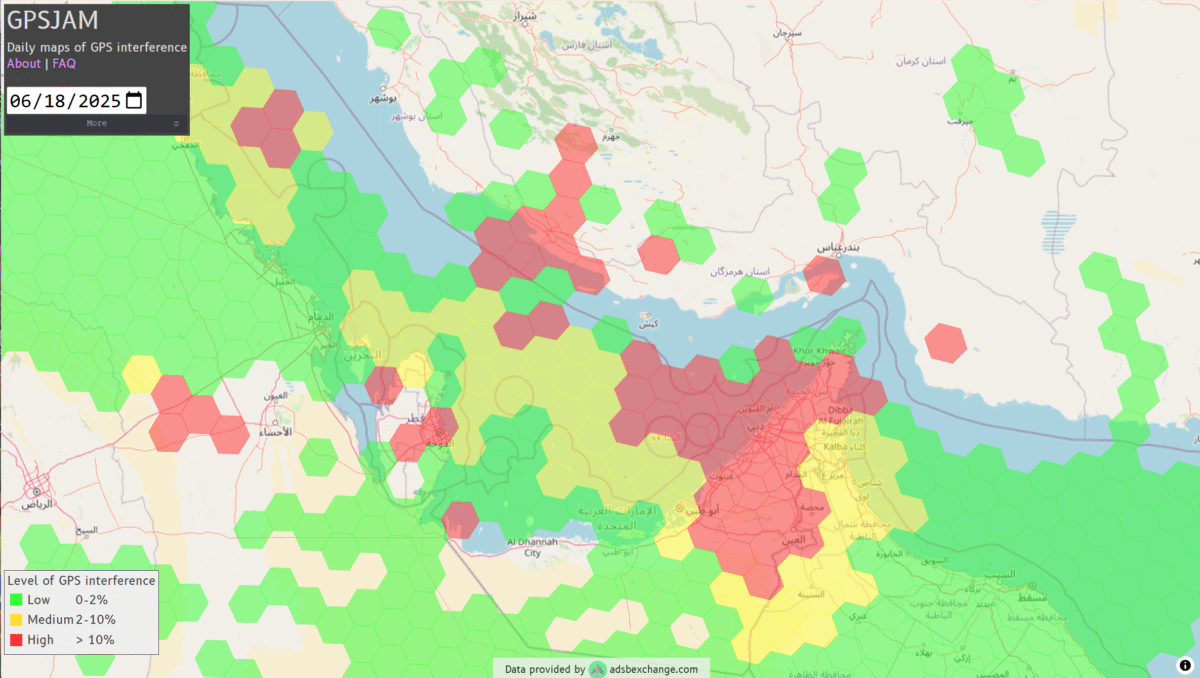
Attention is focused on the anticipated agreement to open the Strait of Hormuz, one of the most significant maritime passages in the world. The agreement aims to release approximately 800 ships stranded in this vital area, alleviating the economic burdens faced by the sector.
This move comes at a critical time, as pressures on the shipping industry have intensified due to recurring crises in the region. The prolonged closure of the Strait of Hormuz has significantly impacted global trade flows, prompting many companies to seek costly alternatives.
Details of the Agreement
The forthcoming agreement includes specific measures to open the waterway, with details expected to be announced in the coming days. This development follows intensive consultations among the concerned countries, which are striving to ensure maritime safety and stabilize trade flows.
The Strait of Hormuz is a key transit point for oil and gas transport, with approximately 30% of total global oil exports passing through it. Therefore, any disruption in shipping movements in this area directly affects energy prices and global markets.
Background & Context
Historically, the Strait of Hormuz has witnessed numerous political and military crises that led to its prolonged closure. In recent years, tensions among regional nations have escalated, increasing concerns over maritime security in the area.
In 2019, the region experienced a series of attacks on oil tankers, heightening tensions. These events prompted major powers to bolster their military presence in the area, complicating the situation further.
Impact & Consequences
The opening of the Strait of Hormuz will relieve economic pressures on shipping companies, potentially contributing to the stabilization of oil and gas prices. Additionally, the resumption of shipping movements will help boost global trade and restore confidence in the markets.
However, the question remains regarding the sustainability of this agreement amid ongoing tensions in the region. Any new escalation could lead to a return of crises, threatening the stability of maritime navigation.
Regional Significance
The opening of the Strait of Hormuz is a positive step for Arab countries, as it enhances inter-Arab trade and boosts investment opportunities in the region. Countries reliant on oil exports will significantly benefit from the resumption of shipping activities, potentially improving their economic conditions.
In conclusion, there is hope that this agreement will contribute to achieving stability in the region and mark the beginning of a new phase of cooperation among the involved nations.