An opposition party in Mauritania has called for protests next Sunday against the economic measures taken by the government, which included increases in fuel and domestic gas prices. This move comes at a time when the country is suffering from the repercussions of the U.S.-Israeli war against Iran and the closure of the Strait of Hormuz, negatively impacting the local economy.
In a controversial decision, the Mauritanian government announced on Tuesday an increase in domestic gas prices by 66%, gasoline by 15%, and diesel by 10%, marking the second increase within just two weeks. The government also imposed a ban on vehicle movement within cities from midnight until 5 AM, in an attempt to rationalize resources.
Details of the Event
The government indicated that the available fuel stock is sufficient for only six months, while the domestic gas stock is only enough for one month. It explained that continuing to subsidize fuel prices would lead to a budget deficit reaching $500 million.
In reaction to these measures, the "Renewal of the Democratic Movement" party has called for protests, despite not obtaining permission from the authorities. The Democratic Opposition Foundation stated that the government made these decisions hastily and deemed them unfair to citizens.
Context and Background
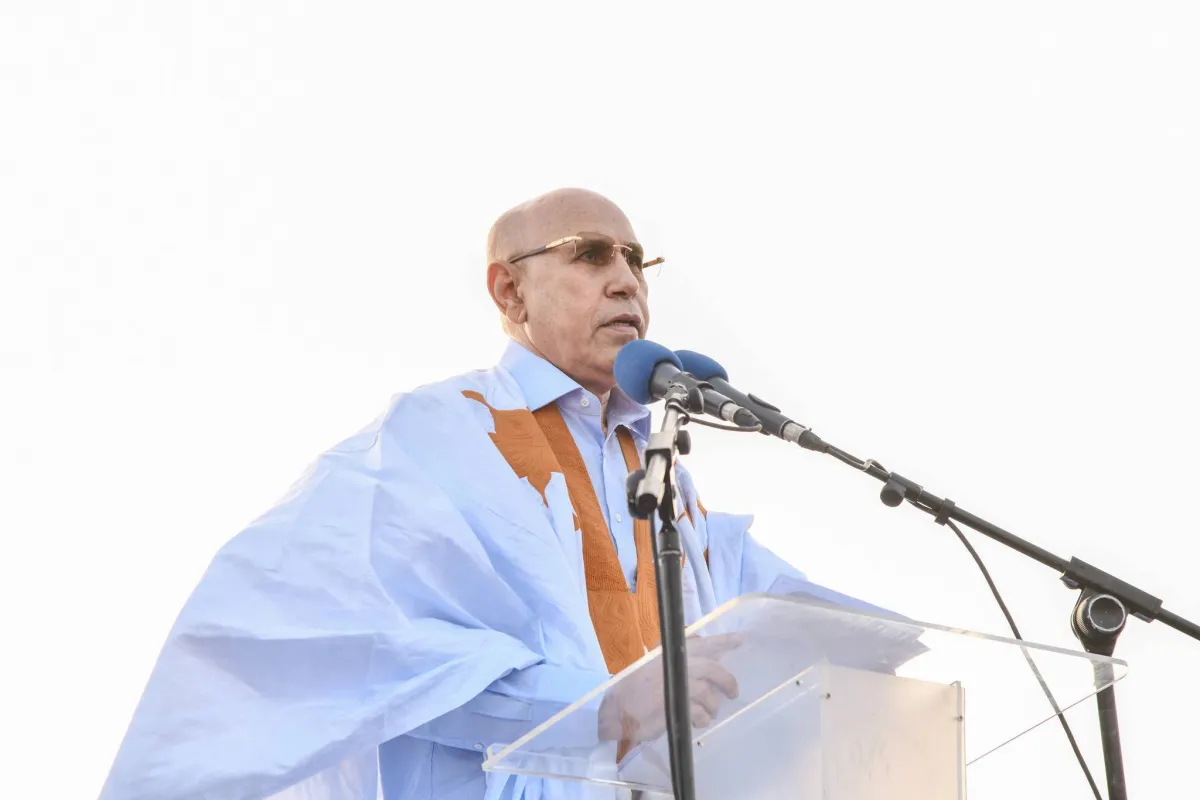
These measures come at a time when the world is witnessing increasing economic crises due to wars and conflicts, putting additional pressure on local governments. In this context, the Minister of Culture and government spokesperson, Al-Hussein Ould Amadou, noted that President Mohamed Ould Cheikh El Ghazouani decided to forgo part of his salary in a symbolic gesture to support the government's efforts in facing the crisis.
The government also announced a reduction in foreign missions and a limitation on unnecessary workshops as part of an austerity policy aimed at rationalizing expenditures. Despite this, the government's measures have not been well received by political parties, which consider them unjustified.
Impact and Consequences
The opposition expects these measures to exacerbate the economic and social conditions in the country, especially given the rising cost of living and the deterioration of citizens' purchasing power. The "National Gathering for Reform and Development" (Tawassoul) party described the measures as unfair, pointing out that the government has ignored citizens' suffering.
Conversely, the ruling "Ennahda" party defended the measures, stating that they aim to protect citizens' purchasing power and maintain budgetary balances. It confirmed that the government still bears a significant portion of the support despite the recent increases.
Impact on the Arab Region
These events in Mauritania are part of a series of economic challenges faced by many Arab countries due to global crises. The anticipated protests may reflect broader discontent in the region as economic pressures on governments increase.
In conclusion, these events highlight the urgent need for dialogue between the government and the opposition to ensure the country's stability and avoid exacerbating social crises. A swift response to citizens' demands could be key to preventing widespread protests.