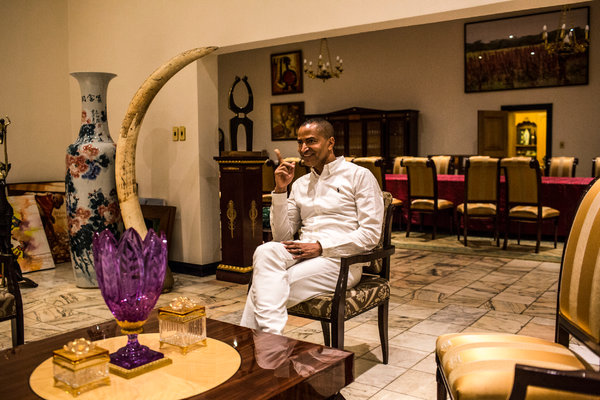
Moïse Katumbi, one of the leading opposition figures in the Democratic Republic of the Congo, has issued a strong warning against any attempts to amend the constitution, deeming it a "dangerous maneuver" aimed at paving the way for President Félix Tshisekedi to run for a third term. Katumbi emphasized that tampering with the constitutional text, which enjoyed widespread popular support upon its adoption, will not resolve the country's crises but will deepen them.
In his statements, Katumbi pointed out that Tshisekedi was one of the most vocal opponents of any constitutional amendment nearly a decade ago when the idea was proposed during the presidency of Joseph Kabila. Describing the current proposal as a "betrayal of the people," Katumbi stressed that the roots of the crisis lie in poor governance rather than in the constitutional text, citing issues such as deteriorating infrastructure, low employee wages, rampant unemployment, and ongoing hunger.
Details of the Event
Amid rising political and economic crises, Olivier Kamitatu, spokesperson for Katumbi's party, unveiled a four-pronged action plan. First, mobilizing public opinion and unifying the opposition ranks. Second, coordinating with civil society to activate democratic tools. Third, launching a diplomatic campaign to warn international partners about the dangers of constitutional amendment. Finally, signaling the possibility of sanctions against those seeking to undermine the constitutional order.
Despite his escalatory tone, Katumbi underscored the importance of national dialogue and the necessity of ending the ongoing violence in the eastern part of the country. He called for a focus on improving citizens' lives rather than getting caught up in controversial political reforms, emphasizing that defending the constitution is a defense of the country's unity and stability.
Background & Context
Historically, the Democratic Republic of the Congo has witnessed numerous political tensions, particularly regarding constitutional amendments. There have been previous attempts to amend the constitution during Kabila's presidency, which led to widespread protests and public rejection. Today, concerns are mounting that any amendment could exacerbate the political and economic crises in the country, especially given the current instability the nation is experiencing.
Fears are growing that amending the constitution could open the door for the current president to remain in power longer, potentially leading to increased protests and confrontations between the government and the opposition. Additionally, the security situation in the eastern part of the country remains a significant concern, as the region suffers from armed conflicts and ethnic disputes.
Impact & Consequences
If the constitution is amended, it could worsen the political and economic crises in the Democratic Republic of the Congo, negatively impacting regional stability. Political tensions could lead to increased violence, threatening security across the entire region. Furthermore, any steps toward enhancing executive power could result in a decline in democracy and human rights within the country.
These developments are significant not only for the Democratic Republic of the Congo but for the entire region, as stability in the Congo directly affects neighboring countries. Therefore, any political escalation could lead to widespread repercussions, including an influx of refugees and heightened border tensions.
Regional Significance
Although events in the Democratic Republic of the Congo may seem distant from the Arab region, there are lessons to be learned. Political conflicts and internal tensions in any country can affect regional stability, necessitating the attention of Arab nations and the international community. Previous experiences in the Arab region, such as the Arab Spring, illustrate how political tensions can lead to radical changes.
Ultimately, the situation in the Democratic Republic of the Congo remains under scrutiny, as political and public circles await developments in the coming days that may impact the country's future.