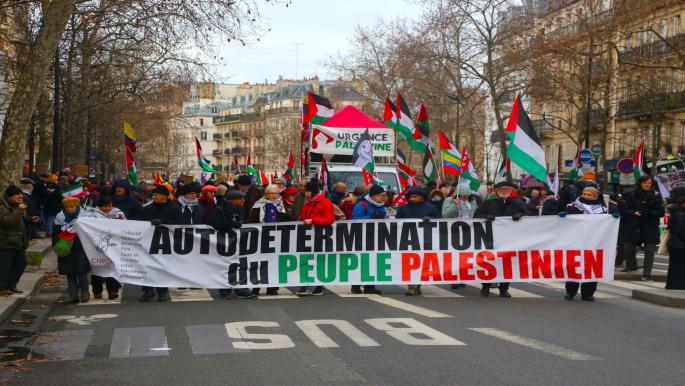
A petition opposing a French bill that criminalizes anti-Semitism has surpassed 500,000 signatures, reflecting a growing opposition to the legislation. This development comes at a sensitive time, as concerns rise over the law's potential impact on freedom of expression and individual rights in France.
This petition is considered one of the largest grassroots movements seen in France in recent years, as citizens from various political and social backgrounds unite to express their concerns about the proposed law aimed at criminalizing any form of anti-Semitism. The petition was launched earlier this month and quickly garnered widespread support from human rights organizations and civil society.
Details of the Proposed Legislation
The proposed bill includes provisions that criminalize acts and statements deemed anti-Semitic, sparking widespread debate about its implications for freedom of expression. Opponents of the law have pointed out that such legislation could be used as a tool to suppress critical opinions, especially those related to Israeli policies.
Conversely, supporters of the law argue for the necessity of legislation that ensures the protection of Jewish communities from discrimination and violence. They view anti-Semitism as a real threat that requires a stringent legal response. However, the discussion surrounding this issue remains complex, intertwining with broader concerns about freedom and democracy in France.
Background & Context
Historically, France has experienced waves of anti-Semitism, particularly during periods of political and social crises. Incidents of anti-Semitism have surged in recent years, prompting the French government to take steps aimed at addressing this phenomenon. Nevertheless, the manner in which this issue is being handled has sparked significant controversy among various parties.
This proposed law emerges within a broader context of discussions regarding national identity and integration within French society. Many question how to balance the protection of minorities with the guarantee of freedom of expression, reflecting the ongoing challenges faced by European societies in the modern era.
Impact & Consequences
If this law is enacted, it could have significant repercussions for French society. It may lead to further division among different social groups, as some may feel that their rights to express their opinions have been curtailed. This could also affect relations between various communities in France, increasing social tensions.
Moreover, this law could have international implications, as it may be viewed as a step towards curtailing freedoms in democratic countries. This could result in criticism from human rights organizations and other nations monitoring the situation in France.
Regional Significance
Considering the situation in the Arab region, this law may attract particular interest, as issues of anti-Semitism relate to historical and political conflicts in the Middle East. The debate surrounding this law could highlight broader issues concerning justice and human rights in the region.
Additionally, the way Western countries address human rights issues may influence how Arabs perceive those nations, reflecting the ongoing challenges in East-West relations.
In conclusion, the proposed law remains a contentious topic in France, with opposition voices growing louder. With the petition surpassing 500,000 signatures, it is evident that there is an urgent need for dialogue on how to protect individual rights amid the challenges faced by modern societies.