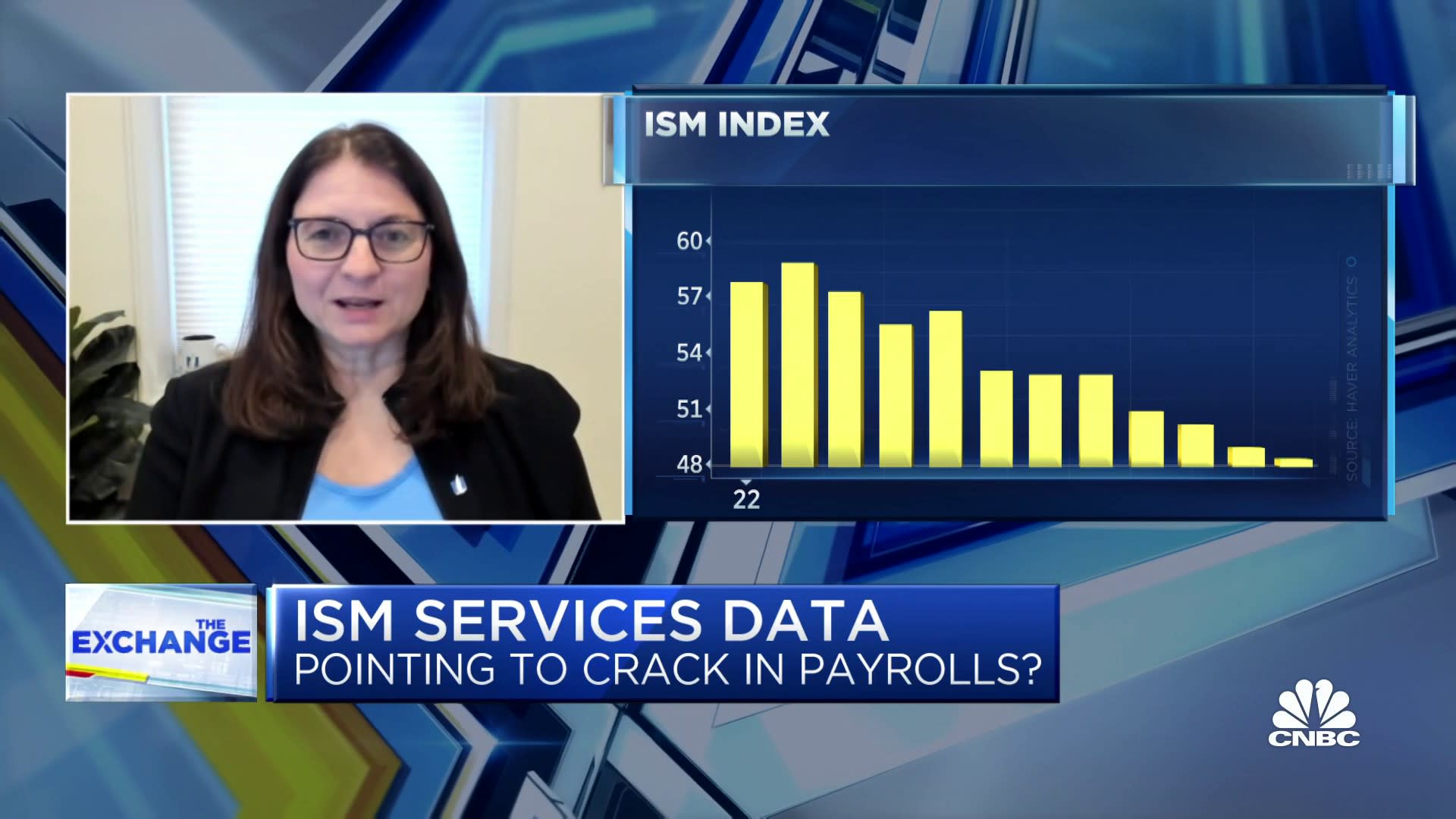
Kathy Boushansky, chief economist at Nationwide Mutual Insurance, recently stated that she does not feel overly pessimistic about the US economy, despite the challenges facing GDP due to inflation and rising energy prices. This declaration came during her appearance on Bloomberg Surveillance, where she discussed the current economic risks.
Boushansky clarified that there are positive factors supporting the economy, such as a strong labor market and ongoing consumer spending. She noted that these factors could help mitigate the effects of inflation, reflecting her optimism about the economy's ability to recover and grow in the coming period.
Current Economic Conditions
Boushansky's remarks come at a time when the US economy is experiencing notable fluctuations, with energy prices rising significantly due to geopolitical crises and climate changes. These increases directly impact the cost of living, heightening inflationary pressures. However, Boushansky believes that the US economy has the capacity to adapt to these challenges.
She also emphasized the importance of the monetary policies adopted by the Federal Reserve, indicating that these policies aim to balance economic growth with inflation control. Boushansky sees that the Fed may have the ability to manage these challenges effectively, thereby enhancing economic stability.
Background & Context
In recent years, the global economy has faced numerous challenges, ranging from the COVID-19 pandemic to geopolitical crises that have affected supply chains and energy prices. These factors have led to rising inflation rates in many countries, including the United States. Nevertheless, the US economy has shown considerable resilience, managing to recover swiftly from the pandemic's impacts.
Historically, the United States has always been able to overcome economic crises thanks to innovation and adaptability. However, the current challenges require a swift and effective response from policymakers to ensure economic stability.
Impact & Consequences
If energy prices continue to rise, this could lead to increased inflationary pressures, potentially affecting consumers' purchasing power. Additionally, higher energy costs can impact businesses, leading to reduced investments and slower economic growth. However, Boushansky points out that there are positive factors that could enhance growth, such as innovation and increased productivity.
The current economic challenges may also lead to changes in monetary policies, as the Federal Reserve may have to make tough decisions regarding interest rate hikes to combat inflation. These decisions could affect financial markets and investor trends, necessitating close monitoring by economists and analysts.
Regional Significance
The implications of these economic forecasts extend beyond the US, as they can influence global markets and trade dynamics. The interconnectedness of economies means that challenges in one region can have ripple effects worldwide. As such, the US economy's ability to navigate these challenges is crucial not only for its own stability but also for the global economic landscape.
In conclusion, the outlook provided by Boushansky highlights the US economy's capacity to adapt to current challenges, underscoring the importance of effective monetary policies.