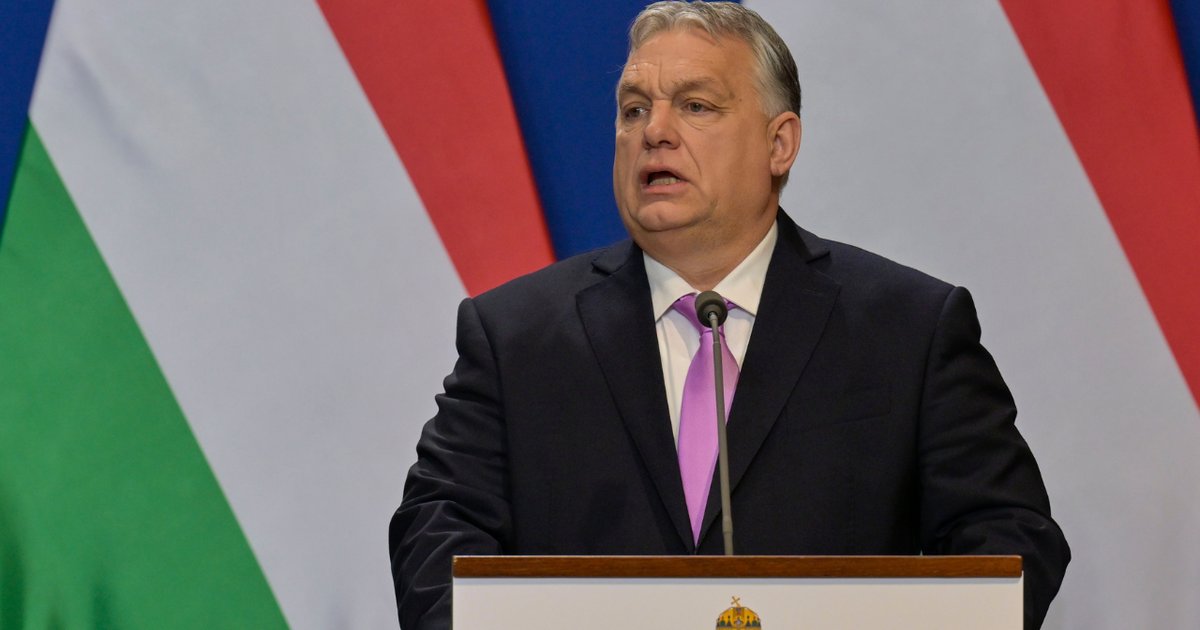
In an unexpected move, Hungarian Prime Minister Viktor Orban announced his willingness to support Russian President Vladimir Putin. This announcement comes at a time when tensions between Russia and the West are increasing, raising questions about Hungary's position in the current geopolitical crises.
Reports indicate that Orban stated his country is "at your service," referring to his readiness to assist Russia in various fields. These remarks come during a sensitive period, as Russia faces growing international pressure due to the conflict in Ukraine and the sanctions imposed by Western nations.
Details of the Announcement
Orban's statements occur within the context of Russia's attempts to strengthen its relationships with Eastern European countries, as Moscow seeks to gain the support of nations that still maintain good relations with it. Orban noted that Hungary could play an important role in enhancing cooperation between Russia and European Union countries, despite the criticisms his government faces for its proximity to the Kremlin.
This stance reflects a shift in Hungary's foreign policy, which was previously part of the Western front against Russia. This development has raised concerns among many observers who believe that this move could exacerbate tensions in the region.
Background & Context
Historically, Hungary has been part of Western alliances, especially following the collapse of the Soviet Union. However, recent years have seen a shift in the internal and external policies of the Hungarian government, which has moved towards strengthening relations with Russia. This shift coincides with a rise in nationalism in Eastern Europe, where some governments are seeking to enhance their sovereignty at the expense of common European orientations.
The Russian-Hungarian relations are part of a broader strategy through which Moscow aims to regain its influence in the region, which contradicts the European Union's policies that impose sanctions on Russia due to its actions in Ukraine.
Impact & Consequences
Orban's statements could exacerbate divisions within the European Union, as member states have varying positions towards Russia. While some countries impose strict sanctions, Hungary seeks to maintain good trade relations with Moscow, potentially putting it at odds with the rest of the European nations.
This position may also affect regional security, as it could lead to increased tensions among NATO allies in the area. Should Hungary continue to strengthen its ties with Russia, it may find itself in a difficult position between European commitments and national interests.
Regional Significance
Given the ongoing events, Hungary's position could have indirect effects on the Arab region. The tensions between Russia and the West may impact energy prices and global markets, which is of concern to oil-producing Arab countries.
Moreover, any change in international alliances could affect Arab countries' strategies in dealing with major powers, necessitating a reassessment of their foreign policies in line with global changes.
In light of the changing circumstances, Hungary's position remains under scrutiny, as Orban's actions could influence the future of European-Russian relations, which in turn could reflect on regional and international stability.