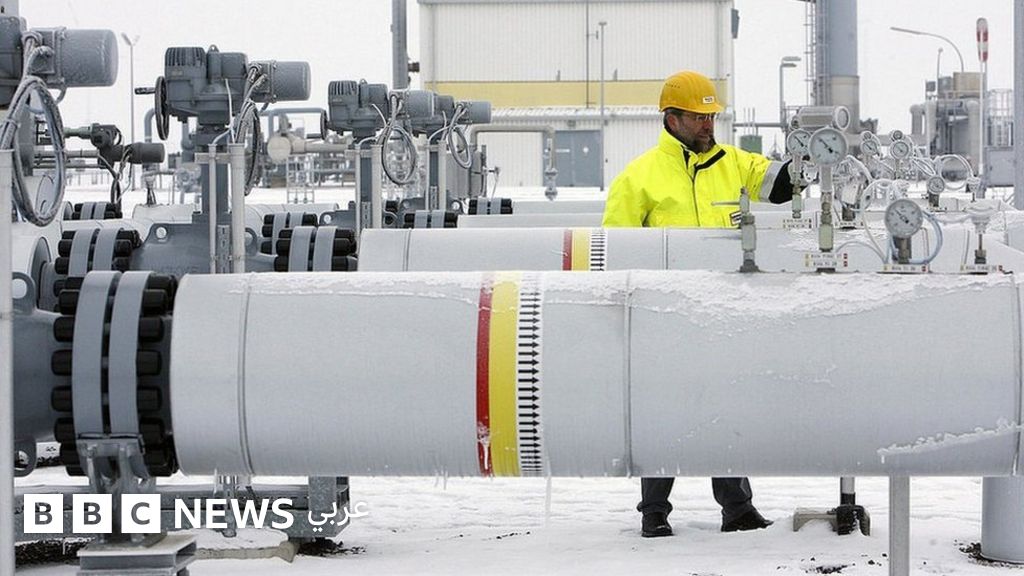
Hungarian Prime Minister Viktor Orban has declared his country's intention to gradually halt gas supplies to Ukraine unless the Ukrainian government restarts the flow of Russian oil through the Druzhba pipeline. These remarks come during a period of heightened conflict in Ukraine, complicating the regional situation.
This move by Orban is seen as a clear threat to Ukraine, which heavily relies on energy supplies, particularly gas. The announcement was made during a press conference where Orban emphasized that Hungary would not continue supplying gas to Ukraine if the flow of Russian oil is not resumed.
Details of the Announcement
The Druzhba pipeline is one of the most significant oil transport lines in Europe, extending across several countries and serving as a lifeline for many economies. Oil supplies through this pipeline have been severely affected due to the ongoing conflict between Russia and Ukraine, leading to negative repercussions for European markets.
Orban pointed out that Hungary is under significant pressure due to the current situation and that it is essential to reconsider European energy policy. He also stressed the importance of cooperation among European countries to ensure the stability of energy supplies in the region.
Background & Context
Historically, relations between Hungary and Ukraine have been strained, especially since the outbreak of conflict in 2014. In recent years, tensions between the two countries have escalated, with Ukraine accusing Hungary of interfering in its internal affairs. Conversely, Hungary seeks to maintain good relations with Russia, further complicating the situation.
Under these circumstances, Russian gas remains one of the primary energy sources in Europe, with many European countries relying on Russian supplies to meet their energy needs. However, the Ukrainian conflict has led to significant changes in European energy policy, as countries strive to reduce their dependence on Russian gas.
Impact & Consequences
Orban's threats could exacerbate the situation in Ukraine, potentially increasing economic pressures on the Ukrainian government. Additionally, halting gas supplies could lead to rising energy prices in Europe, affecting the European economy as a whole.
Moreover, these statements may escalate tensions between Hungary and other European countries, particularly those supporting Ukraine. Such developments could raise significant concerns in financial markets, as oil and gas prices are directly influenced by political developments in the region.
Regional Significance
Considering the current circumstances, the conflict in Ukraine and its impacts on energy supplies may have direct implications for the Arab region. Many Arab countries rely on energy imports, and any increase in energy prices could negatively affect their economies.
Furthermore, tensions in Europe may lead to increased demand for oil and gas from Arab countries, potentially opening new opportunities for economic cooperation. However, the unstable situation in Europe could also create new challenges for Arab countries in the context of international relations.