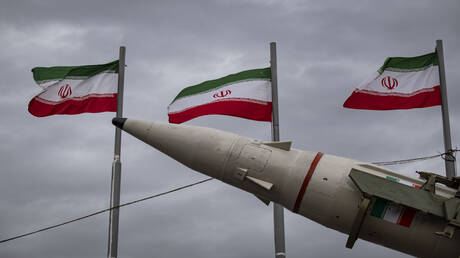
On Tuesday, several Iranian cities witnessed the organization of human chains to express condemnation of U.S. President Donald Trump's threats. This event occurs amid heightened political tensions between Iran and the United States, where fears of a potential escalation in relations between the two countries have increased.
Protesters gathered in cities such as Tehran and Isfahan, raising slogans denouncing U.S. policies towards Iran. A large number of citizens participated in this event, expressing their rejection of the threats issued by Trump, which they considered a blatant interference in their country's affairs.
Details of the Event
These human chains come at a time when the world is witnessing a rise in geopolitical tensions, as Trump had previously indicated the possibility of military action against Iran. These statements have raised widespread concern among Iranian political and public circles, prompting citizens to express their stance peacefully.
The demonstrations were well-organized, with coordination among various social groups, including students and workers, to emphasize the unity of the Iranian people in the face of external threats. Social media was utilized to mobilize participants and encourage them to join this event.
Background & Context
Historically, relations between Iran and the United States have been marked by increasing tensions since the Islamic Revolution in 1979. Economic and political sanctions imposed on Iran have exacerbated the situation, leading the Iranian people to feel discontent with U.S. policies.
In recent years, threats between the two sides have escalated, especially following the U.S. withdrawal from the Iranian nuclear agreement in 2018. This withdrawal led to heightened tensions and increased sanctions, negatively impacting the Iranian economy and worsening social crises.
Impact & Consequences
These human chains are seen as a manifestation of popular rejection of U.S. policies and could significantly affect relations between the two countries. The Iranian government is expected to respond to these threats by escalating its political rhetoric, which may lead to further tensions in the region.
This event may also inspire similar protest movements in other countries facing political and economic pressures, reflecting a growing awareness among citizens regarding international issues.
Regional Significance
Arab countries are directly affected by the tensions between Iran and the United States, as these relations are part of a broader regional conflict. Any escalation in these tensions could have negative impacts on security and stability in the region, prompting Arab nations to take clear positions on these issues.
At the same time, these events could present an opportunity for Arab countries to enhance cooperation among themselves to face common challenges, especially in light of the economic and political crises many nations in the region are experiencing.