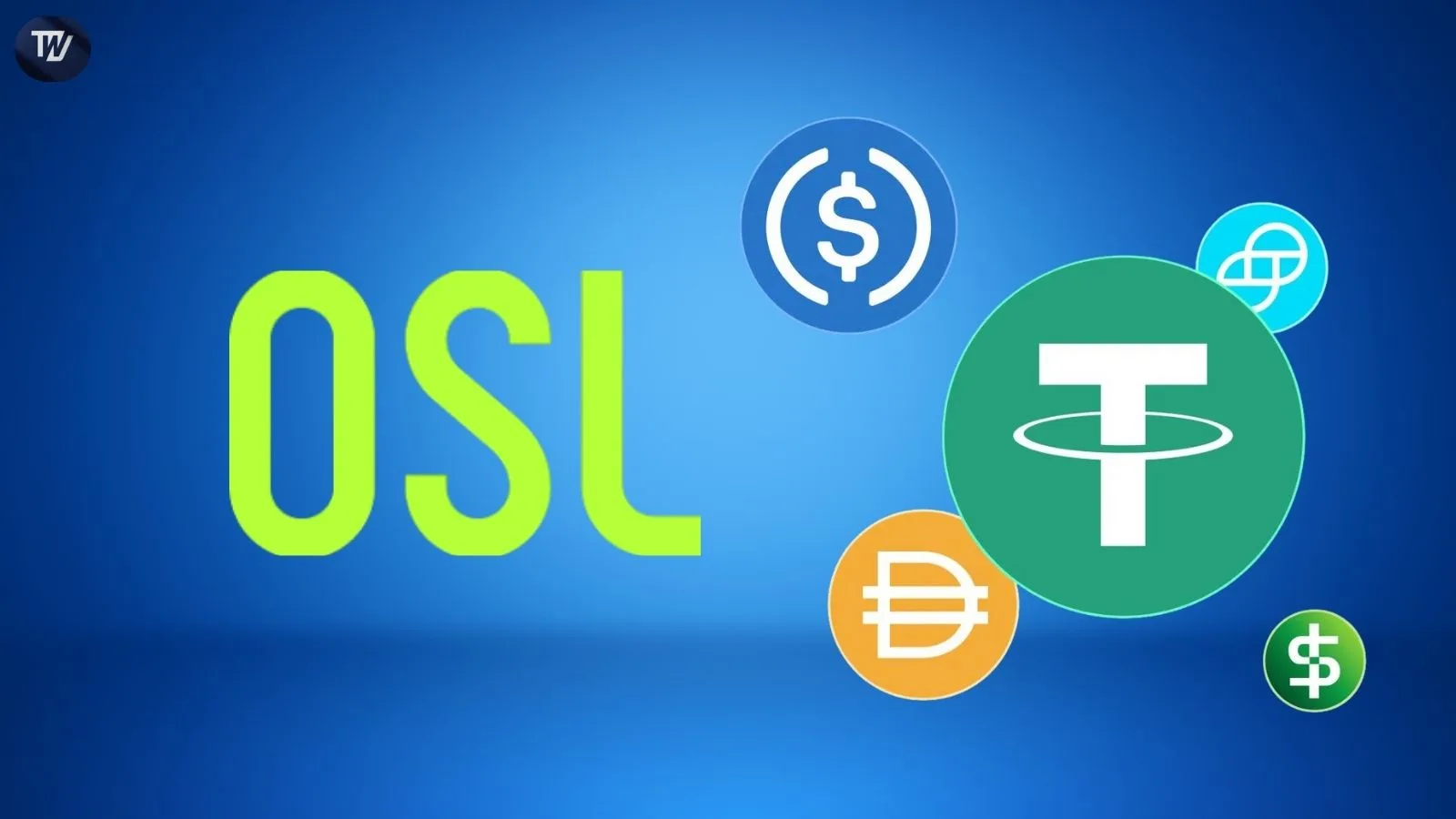
Evan Wong, the Chief Financial Officer of OSL Group, announced that the company is working on developing a comprehensive global platform for stablecoin payments, aiming to enhance the financial infrastructure in this growing sector. This announcement came during his appearance on Bloomberg's 'The China Show,' where Wong confirmed that sentiment in the digital asset sector remains strong, pointing to robust trading momentum during the first quarter of the year.
OSL Group, considered one of the leading companies in the digital asset space, seeks to capitalize on the increasing adoption of stablecoins, which are seen as modern financial tools designed to reduce the volatility associated with traditional cryptocurrencies. According to Wong, the company is focused on innovation and developing financial solutions that meet the needs of the global market.
Event Details
Stablecoins, such as USDT and USDC, are financial instruments that are increasingly used in e-commerce and international payments. These currencies allow users to conduct fast and secure transactions without being exposed to the price fluctuations that may affect other cryptocurrencies. Wong noted that OSL aims to provide innovative solutions that facilitate these operations.
In light of the global shift towards digitization, the importance of stablecoins as a means of commercial exchange is growing. The first quarter of this year witnessed significant trading activity, reflecting investor confidence in this sector. This momentum is seen as a positive indicator for the future of digital assets.
Background & Context
In recent years, there has been notable growth in the use of digital assets, which have become an integral part of the global financial system. With the increasing reliance on financial technology, many companies are exploring the potential of stablecoins as a means to enhance payment efficiency and reduce costs.
Founded in 2018, OSL Group has since become one of the leading companies in the digital asset sector in Asia. The company aims to expand its services into new markets, reflecting its growth strategy amid the rising demand for digital payment solutions.
Impact & Consequences
The plans announced by OSL Group represent a significant step towards enhancing global financial infrastructure. These initiatives could improve payment efficiency and reduce associated costs, thereby enhancing companies' competitiveness in global markets.
Moreover, these steps may encourage more companies to adopt stablecoins as part of their financial strategies, reflecting a shift in the way business transactions are conducted. With ongoing innovation in this field, further developments in the use of digital assets are expected.
Regional Significance
In the Arab region, the use of digital currencies and stablecoins is still in its early stages, but there is a growing interest from governments and companies in exploring this technology. Initiatives like those announced by OSL Group could foster financial innovation in the region, opening new avenues for trade and investment.
Additionally, the adoption of stablecoins could help facilitate international payments, enhancing the ability of Arab companies to compete in global markets. Amid current economic challenges, these financial solutions could serve as an opportunity to improve economic performance in the region.