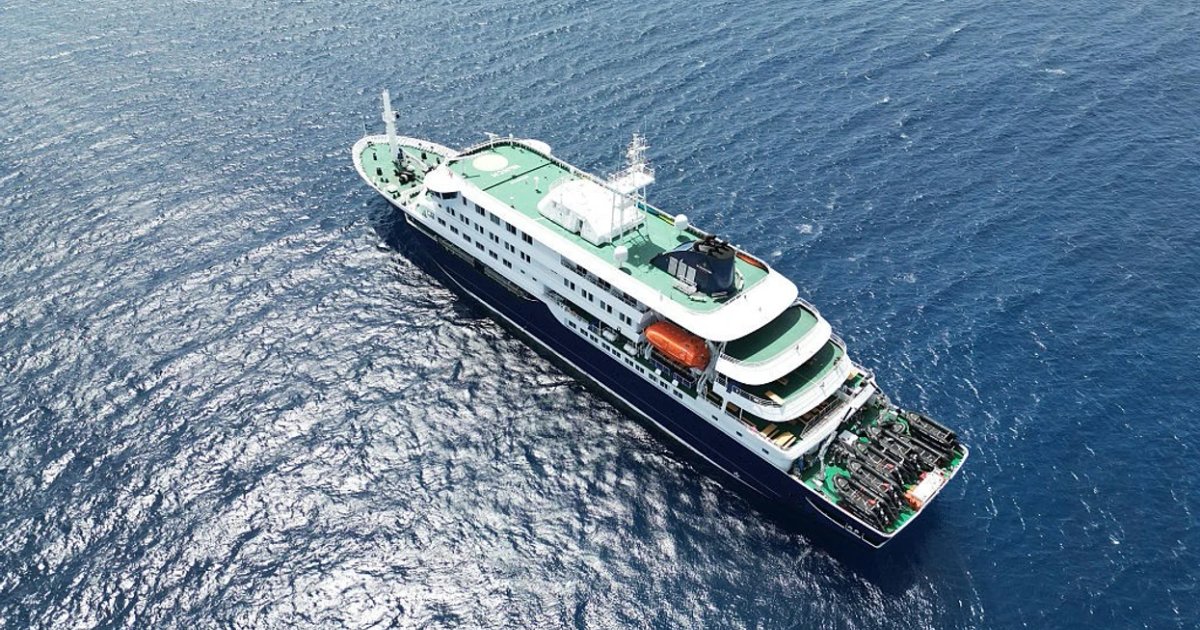
Three people have died aboard the cruise ship 'MV Hondius' due to Hantavirus, highlighting the dangers of this virus, which has a high mortality rate. The World Health Organization confirmed that the virus is linked to the 'Andes' strain, raising global alarm.
On April 1, the ship departed from a port in Ushuaia, Argentina, heading towards a group of islands in the South Atlantic. However, just a few days into the voyage, symptoms appeared in one passenger, leading to the man's death after his health deteriorated. As the journey continued, more fatalities occurred, raising concerns about the spread of Hantavirus.
Details of the Incident
According to an update from the World Health Organization on May 8, there have been 8 reported cases linked to the ship, with 6 confirmed laboratory cases of the 'Andes' strain and 2 suspected cases. The mortality rate in this cluster of infections is approximately 38%. Four patients remain hospitalized, reflecting the seriousness of the health situation aboard the ship.
Hantavirus is part of a family of viruses that reside in rodents and is transmitted to humans through inhalation of contaminated dust or contact with rodent droppings. Most strains of the virus do not spread from person to person, except for the 'Andes' strain observed in this incident.
Background & Context
Historically, Hantavirus was first identified among soldiers during the Korean War in the 1950s, where infected individuals suffered from high fevers and severe pain. Decades later, the virus re-emerged in the United States, leading to numerous deaths and infections. In 1993, the Four Corners region experienced a mysterious outbreak of the virus, increasing concerns among health authorities.
Today, Hantavirus is known to cause two main types of diseases, affecting the lungs and heart in the Americas, while manifesting in Europe and Asia in a manner that impacts the kidneys and blood vessels. This variation in symptoms reflects the virus's severity and the necessity for cautious handling.
Impact & Consequences
The current outbreak of Hantavirus aboard the cruise ship underscores the importance of health awareness and prevention of viral diseases. Although the virus is not considered a candidate for a pandemic like COVID-19, its danger lies in the severity of the illness it causes. The World Health Organization confirmed that the Hantavirus outbreak should not be viewed as a new pandemic, but caution and vigilance are necessary.
Annual cases of Hantavirus range from 10,000 to 100,000 worldwide, reflecting the urgent need to enhance health and preventive measures. In light of environmental changes and increased human-animal interactions, effective strategies must be in place to address viruses.
Regional Significance
Although Hantavirus has not recorded significant cases in the Arab region, the current outbreak serves as a warning for health authorities in Arab countries. There is a need to enhance awareness about viral diseases and the importance of preventive measures, especially with the increase in travel and tourism.
In conclusion, Hantavirus presents a health challenge that requires international cooperation to confront. Countries must strengthen their health systems and prepare to tackle any potential outbreaks, focusing on the importance of prevention and health education.