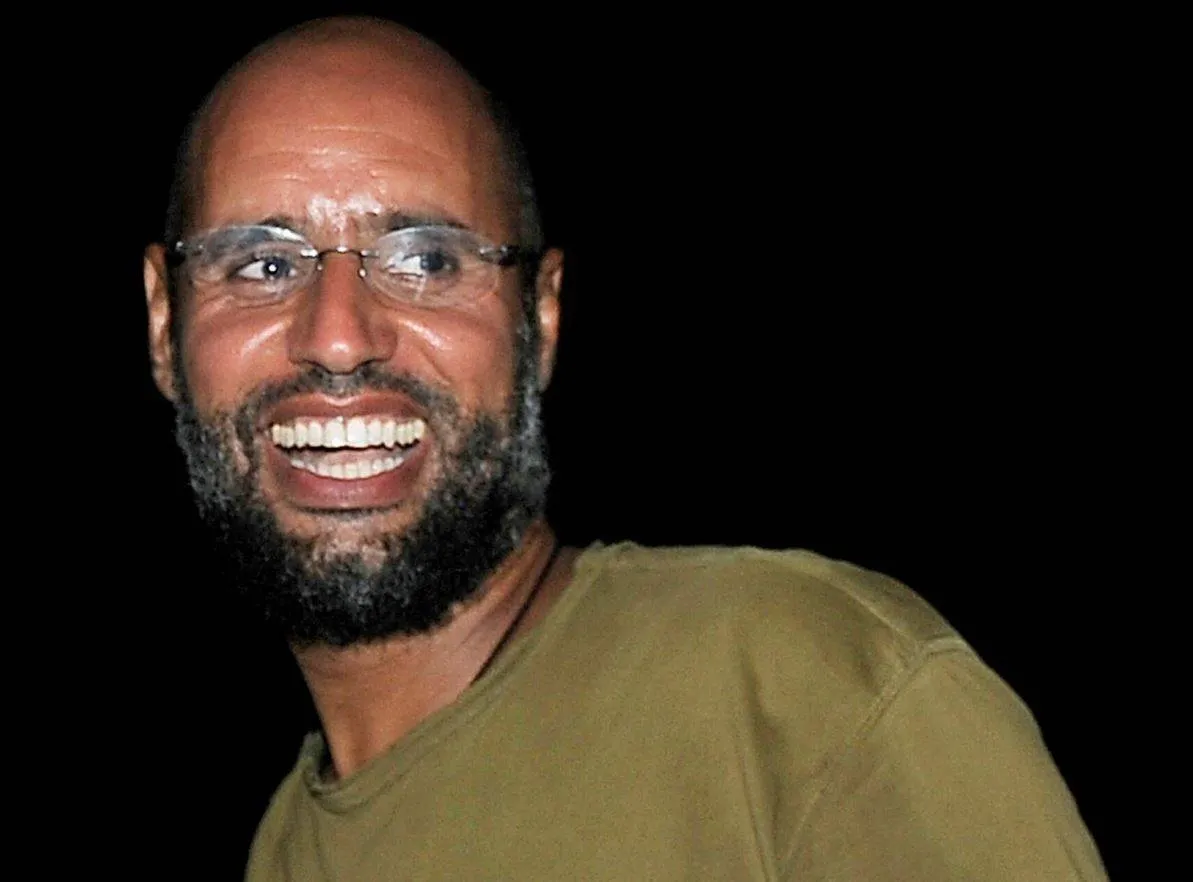
Supporters of the late Libyan leader Muammar Gaddafi have voiced their dissatisfaction with the delays in identifying those involved in the assassination of his son, Saif al-Islam, which took place in Zintan, western Libya, on February 3.
Concerns have escalated following a statement attributed to Mrs. Safia Farkash, Gaddafi's widow, urging for a swift accountability of those involved in her son's assassination. On March 6, the Attorney General, Al-Siddiq Al-Sour, announced the identification of three suspects in the murder of Saif al-Islam, but no further updates have been provided since, leading to increasing demands for expedited investigations and clarification regarding the case.
Details of the Incident
Khaled Al-Ghuwail, an advisor to the Libyan Tribal Union for Foreign Relations, criticized the failure to disclose the truth behind Saif al-Islam's assassination, questioning the reasons for what he termed as "obfuscation" regarding the nature of the perpetrators and those behind them. Meanwhile, the Youth Association of the Qadhadhfa tribe asserted that the assassination of Saif al-Islam is not merely a criminal act but a stab in the heart of Libyan society, calling for necessary retribution.
The association called for the formation of a group comprising representatives from Libyan tribes and Gaddafi supporters to engage with the symbols and elders of the Zintan tribe, noting that this mission aims to explain the pain felt by every patriotic Libyan citizen, rather than to accuse.
Background & Context
These events unfold amid tensions among supporters of Saif al-Islam, with accusations of betrayal and negligence exchanged regarding the circumstances of his assassination, with loyalists blaming the Abu Bakr Al-Siddiq Brigade, which was responsible for his protection in Zintan. The dispute has intensified between Al-Ajmi Al-Atiri, the brigade's commander, and Ahmed Al-Zaroug Al-Gaddafi, a cousin of Saif al-Islam.
Saif al-Islam remained in Zintan under heavy guard and did not appear publicly for ten years until he submitted his candidacy papers for the elections scheduled for 2021. The Western Mountain Youth Coalition expressed its support for the statement attributed to Saif al-Islam's mother, indicating that silence regarding the issue is no longer acceptable.
Impact & Consequences
Various parties are striving for justice in the case of Saif al-Islam's assassination, with the Mandela Libya Movement urging Libyan tribes to take a firm stance on the issue and expedite the investigation of the perpetrators. Additionally, the Conference of Social and Political Activities and Civil Society Institutions in Fezzan has called on the Zintan tribes to declare their position on the crime and disclose available information.
The conference expressed its astonishment at the complete silence from the Zintan tribes regarding the crime, calling for a general meeting of the Supreme Council of Libyan Tribes and Cities to pressure the Zintan tribes to reveal the culprits.
Regional Significance
The assassination of Saif al-Islam represents a turning point in the Libyan landscape, placing the country at a genuine crossroads. Aisha Gaddafi, Saif al-Islam's sister, emphasized the need to expedite investigations and reveal the truths related to the incident. This case remains a focal point of significant interest in political and social circles, with increasing calls for justice.
In conclusion, the assassination of Saif al-Islam Gaddafi poses a considerable challenge for Libyan authorities, necessitating diligent efforts to uncover the truths and achieve justice, which impacts the social and political stability in the country.