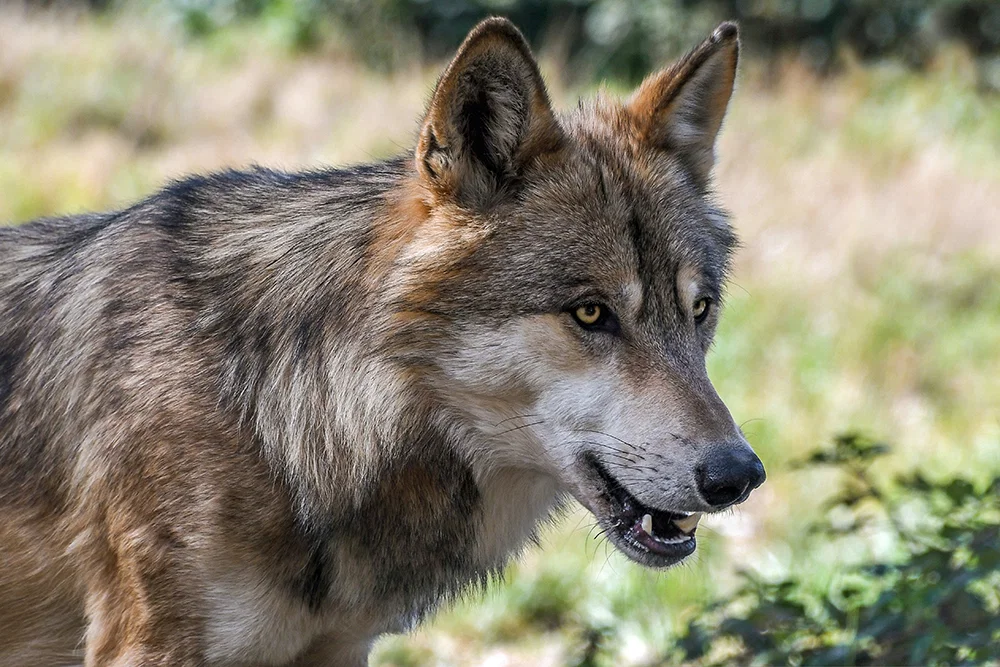
The recent massacre of wolves in Italy has ignited widespread controversy among wildlife protection activists, following the discovery of more than 18 dead wolves in various areas of the Abruzzo, Lazio, and Molise National Park. This incident, described as one of the "worst attacks" on wildlife in the country, comes after a notable recovery in wolf populations, which were once on the brink of extinction in the 20th century.
Preliminary investigations suggest that the deaths of the wolves may result from consuming a "poisoned bait" that was offered to them, an attempt by some farmers to prevent attacks on livestock. This behavior raises questions about its motivations and whether it reflects increasing tensions between humans and wolves, which have long been considered part of Italy's ecosystem.
Details of the Incident
The region of Abruzzo, Lazio, and Molise is a stronghold for Italian wolves, having witnessed a significant increase in their numbers in recent years. However, the recent incident highlights the challenges these animals face in adapting to environmental changes and the growing human presence. Dr. Geraldine Wehrhan, an expert in canine science, confirmed that wolves have coexisted with humans for thousands of years, but they may sometimes be forced to seek livestock as an alternative food source due to a shortage of natural prey.
Wehrhan points out that wolves are not the preferred prey for livestock, but in the absence of other options, they may resort to it. Additionally, climate change may affect the availability of wild prey, increasing the likelihood of wolves approaching farms.
Background & Context
Historically, wolves lived in balance with humans, being considered part of the ecosystem. However, urban and agricultural expansion has led to the reduction of their natural habitats, forcing them to search for food in areas close to human settlements. This change in behavior may be a result of environmental pressures rather than hostility towards humans.
Wolves play a crucial role in maintaining ecological balance, as they help regulate wild prey populations. Nevertheless, killing them as a means of protecting livestock could have counterproductive results, as studies indicate that this behavior may escalate conflicts between humans and wolves.
Impact & Consequences
Dr. Wehrhan emphasizes that killing wolves, especially the young ones, may lead to the breakdown of social bonds within the pack, prompting dangerous behaviors such as increased reproduction rates. This breakdown could make wolves bolder in approaching farms, paving the way for new wolves to enter the area.
Addressing this issue requires significant efforts to protect livestock, including the use of non-lethal methods such as electric fences and spotlighting. Governments should also provide compensation to farmers for livestock losses due to predator attacks.
Regional Significance
The issue of coexistence between humans and predators is particularly significant in many Arab countries, where local communities face similar challenges. Understanding the dynamics of the relationship between humans and predators can aid in developing effective strategies for wildlife protection and ensuring the sustainability of natural resources.
In conclusion, achieving a balance between protecting livestock and conserving wolves necessitates integrated efforts involving all stakeholders to ensure the sustainability of the ecosystem and protect the livelihoods of local communities.