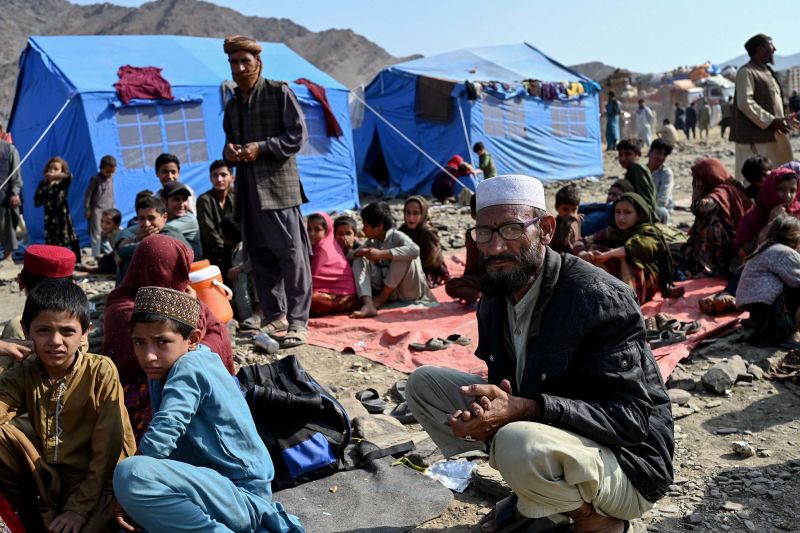
News continues to emerge about the plight of over 1100 Afghans who worked with U.S. forces, stranded at Al Udeid Air Base in Qatar. This situation arose after the administration of former U.S. President Donald Trump froze their evacuation program, exacerbating their humanitarian crisis.
According to reports published by The Wall Street Journal, U.S. officials are currently negotiating with at least three countries in Sub-Saharan Africa and South Asia to resettle these individuals. The deadline for closing the U.S. military base on March 31 passed without any tangible progress, increasing anxiety among those affected.
Details of the Situation
Qatar is hosting these Afghans in a camp that costs over 10 million dollars monthly, while the Qatari government expresses its desire to close the camp. As pressures mount, the mental health of the residents has deteriorated, with Sean VanDeever from Afghan Evac noting that the hope they once had has turned into despair due to the lack of clarity or action regarding their visas.
Meanwhile, several members of the U.S. Congress have called for urgent action, with Senator Jeanne Shaheen warning that these individuals may face retaliation from the Taliban if returned to Afghanistan.
Background & Context
Historically, Afghanistan has faced ongoing conflicts for decades, with the United States intervening in the country in 2001 following the events of September 11. Since then, many Afghans have worked with U.S. forces, making them targets for retaliation after the withdrawal of troops. In August 2021, U.S. forces withdrew unexpectedly, leading to the Taliban's takeover of the country, leaving many former collaborators in a precarious position.
The evacuation program, which aimed to protect these individuals and their families, has been frozen, worsening the humanitarian situation at the camp. Over time, voices calling for action to rescue these people have grown louder.
Impact & Consequences
This issue exemplifies the failure to manage humanitarian crises, as these Afghans face the risk of retaliation if they return to their homeland. Additionally, the situation at the camp reflects the chaos that characterized the evacuation process, raising questions about how governments handle humanitarian crises.
Furthermore, this situation may affect relations between the United States and countries in the region, as pressures increase on Qatar to provide support for these individuals. The failure to find swift solutions could exacerbate humanitarian crises in the region.
Regional Significance
The repercussions of this issue extend beyond Afghanistan, reflecting the increasing humanitarian crises worldwide. As Arab countries strive to enhance their stability, crises like this may impact regional security. Addressing refugee and migrant issues poses a significant challenge for Arab nations, which face pressure from the international community.
In conclusion, the current situation requires urgent action from the international community to protect these individuals and ensure their rights. The continuation of this crisis could lead to worsening humanitarian conditions, necessitating a concerted international effort to resolve it.