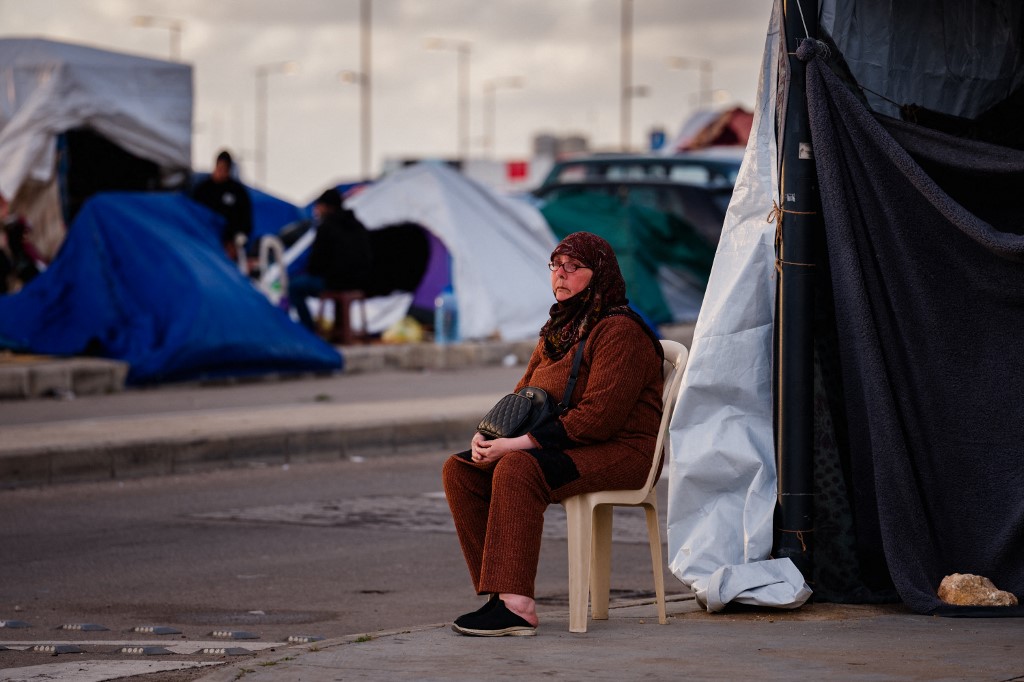
The UN High Commissioner for Refugees has reported that over 200,000 people, the majority of whom are Syrians, have crossed the border between Lebanon and Syria since the onset of the conflict between Israel and Hezbollah in early March. This large influx of refugees reflects the escalating tensions in the region and its direct impact on civilian lives.
During a video press conference from Damascus, Asir Al-Madaen, the UNHCR representative in Syria, explained that the period from March 2 to March 27 saw the entry of over 200,000 individuals into Syria through three official crossing points. This figure indicates a sharp increase in refugee movement due to the escalation of hostilities in Lebanon.
Details of the Event
These numbers come at a sensitive time, as the conflict between Israeli forces and Hezbollah intensifies, leaving civilians in a state of anxiety and fear. Many Syrians living in Lebanon, who fled from conflict in their home country, find themselves forced to return to their homeland under unstable conditions.
Returning to Syria is not an easy option, as the security and economic situation in the country remains fragile. However, the escalation of hostilities in Lebanon has compelled many to make this difficult decision.
Background & Context
Historically, relations between Lebanon and Syria have experienced numerous fluctuations, with a continuous flow of Syrian refugees into Lebanon since the start of the conflict in Syria in 2011. As the conflict in Lebanon escalates, the situation becomes more complicated, with Syrian refugees facing new challenges under current circumstances.
These figures are part of a larger humanitarian crisis, where many individuals suffer from the loss of homes and basic resources. Returning to Syria means confronting a harsh reality, as the country continues to bear the scars of ongoing war.
Impact & Consequences
The repercussions of this displacement extend beyond the Lebanese and Syrian borders, affecting regional stability as a whole. The increasing number of refugees could exacerbate the humanitarian situation in Syria, necessitating an urgent response from the international community.
This displacement may also impact relations between neighboring countries, as pressures mount on governments to accommodate more refugees. The situation in Lebanon and Syria requires international coordination to ensure the provision of necessary aid and alleviate human suffering.
Regional Significance
These events are part of a larger picture of ongoing conflicts in the Arab region. The conflict between Israel and Hezbollah has implications for regional security and affects relationships between Arab nations. Additionally, the situation in Lebanon and Syria reflects the ongoing challenges faced by Arab countries in dealing with humanitarian and political crises.
In conclusion, the flow of refugees from Lebanon to Syria reflects a painful reality that requires urgent attention from the international community. There must be a coordinated response to address this humanitarian crisis and ensure the safety and dignity of affected civilians.