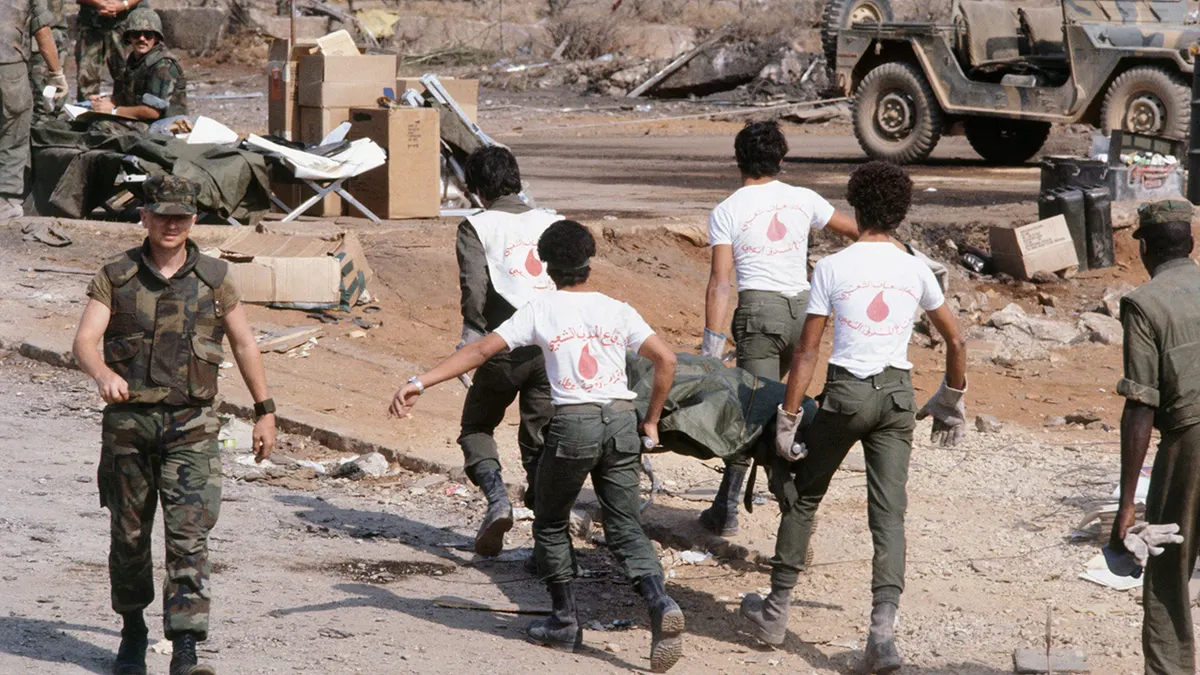
Reports from military sources indicate that more than 300 American soldiers have sustained injuries during military operations in the Iranian war. These figures reflect the rising tensions in the region, where concerns about the implications of this war on regional and international security are growing.
These injuries come at a critical juncture as the United States seeks to bolster its military presence in the Middle East. This development has raised significant alarm among political and military circles, prompting questions about Washington's strategy in the region.
Details of the Incident
Reports show that the injuries occurred as a result of direct confrontations with Iranian forces, in addition to missile attacks targeting American bases. The injured have been transported to military hospitals for treatment, where it has been confirmed that most injuries are not life-threatening.
These events coincide with an escalation in rhetoric between Iran and the United States, as both countries exchange accusations regarding the escalation of hostilities. Such statements have led to increased tensions in the region, threatening its stability.
Background & Context
Historically, relations between the United States and Iran have been fraught with ongoing tensions, especially following Washington's withdrawal from the nuclear agreement in 2018. Since then, military actions between the two parties have intensified, exacerbating the situation in the region.
In recent years, the United States has increased its military presence in the Middle East, targeting Iran as a primary adversary. This policy has contributed to heightened tensions, as Iran seeks to bolster its influence in the region by supporting local militias.
Impact & Consequences
These injuries raise questions about the United States' ability to manage the situation in the region. With the increasing number of injuries, the American administration may be compelled to reassess its military strategy, potentially leading to changes in its future plans.
Moreover, these events could impact international relations, as other countries may seek to intervene or mediate in the conflict. Such interventions could complicate the situation further, increasing the likelihood of escalating the conflict.
Regional Significance
These developments are particularly significant for Arab countries, as they may affect security and stability in the region. With rising tensions, neighboring countries could be directly impacted, threatening their internal stability.
Furthermore, these events may lead to increased migration and displacement from affected areas, posing an additional challenge for Arab nations in dealing with humanitarian crises.
In conclusion, the situation in the region remains volatile, requiring close monitoring by the international community. The injuries among American soldiers may be just the beginning of further escalation, necessitating urgent actions to ensure peace and stability in the region.