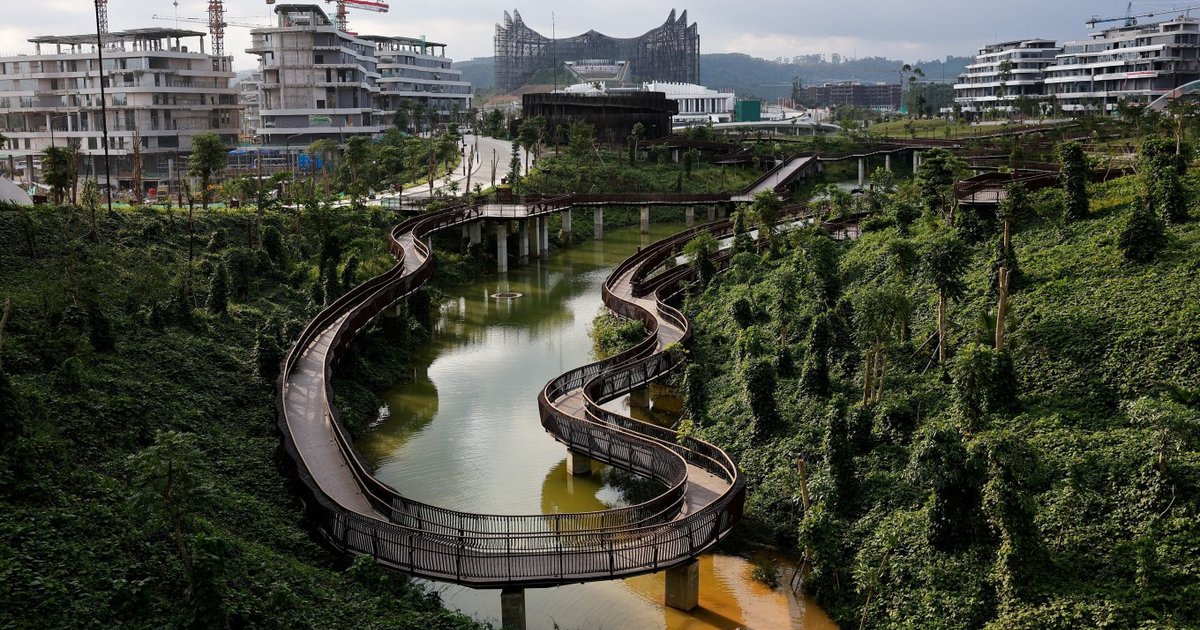
Indonesia's new capital, Nusantara, experienced a significant influx of visitors during the Eid al-Fitr holiday, with approximately 352,102 people visiting. This notable increase in visitor numbers, spanning from March 18 to March 29, 2026, reflects the rising interest in a city that represents a transformative approach to urban planning in Indonesia.
Reports indicate that the number of vehicles entering the city during this period reached 80,105, including motorcycles, cars, and buses. Local authorities confirmed that the services provided to visitors were at their highest levels, contributing to an enhanced visitor experience.
Event Details
Troy Pantouw, spokesperson for the Nusantara Capital Authority, noted that the State Palace and National Mosque were among the most crowded areas. Other attractions such as the Glass Bridge in the Glambing area, Semau Dam, and Kosuma Bangsa Park also received significant appreciation from visitors.
The Glambing area, which features the Glass Bridge, offers a unique experience that combines open spaces with stunning natural scenery. Additionally, the Celebration Square and Pennica Square were equipped with various facilities, including restaurants and entertainment venues, making them hubs for social and cultural activities.
Background & Context
The establishment of Nusantara as the new capital is part of the Indonesian government's plan to relocate the capital from Jakarta due to congestion and pollution in the current capital. This project was announced in 2019 and aims to achieve sustainable development and better population distribution. The new city symbolizes change and progress in Indonesia, as the government seeks to attract investments and provide a better living environment for its citizens.
Nusantara is expected to play a crucial role in boosting the Indonesian economy, as the city is designed to be a center for innovation and technology. Its geographical location makes it an ideal launchpad for regional and international trade.
Impact & Consequences
The significant increase in visitor numbers during the Eid al-Fitr holiday indicates a growing interest in visiting Nusantara, which could contribute to enhancing local tourism. This interest may positively impact the local economy through increased revenues from tourism and related services.
This visit serves as a test of the city's capacity to accommodate visitors and provide necessary services, which may help improve urban planning and public services in the future. The success of this event could encourage the government to organize more events to attract visitors.
Regional Significance
Indonesia's experience in creating a new capital serves as a model that some Arab countries facing urban planning challenges could benefit from. Arab nations can learn from Indonesian experiences in managing new cities and improving the quality of life within them.
Given the environmental and economic challenges many Arab countries face, there may be opportunities for collaboration with Indonesia in areas of sustainable development and urban planning.