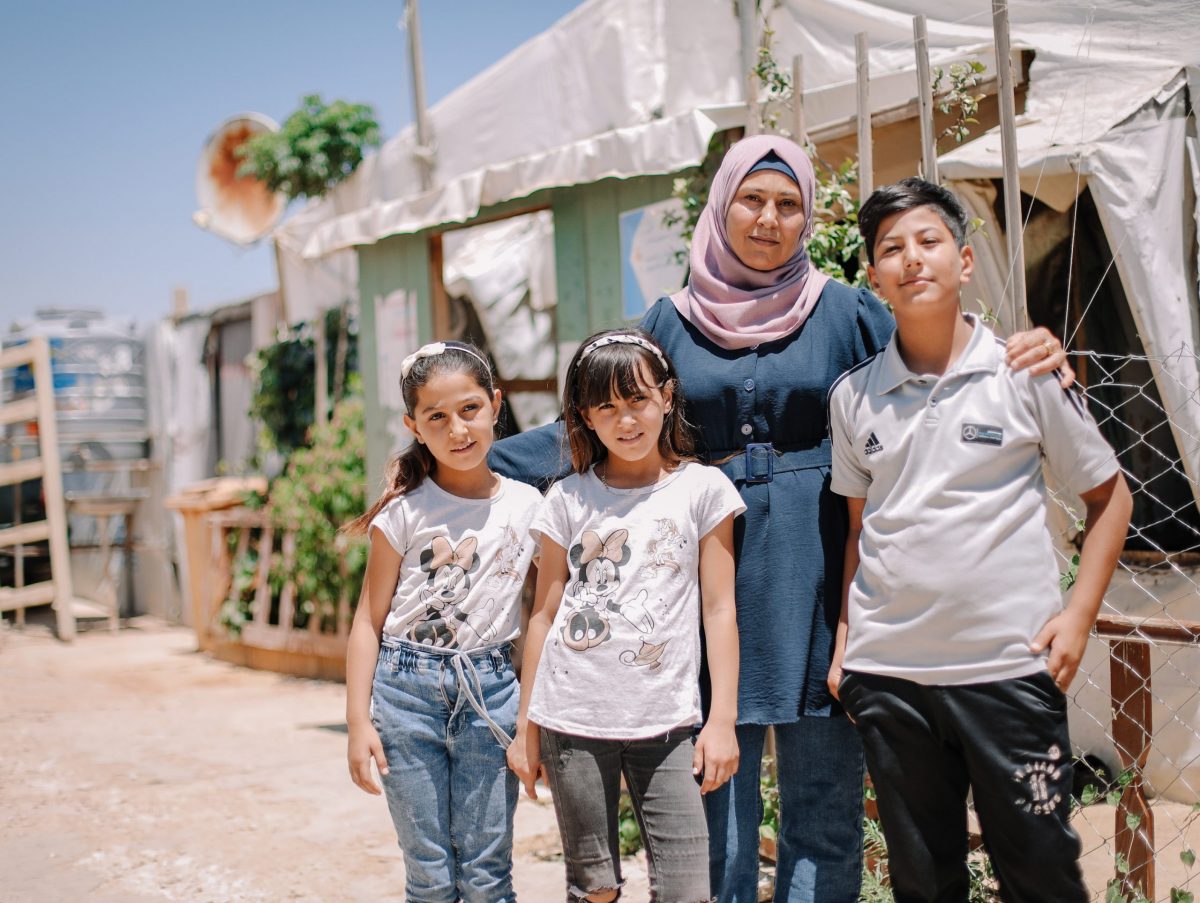
The United Nations Children's Fund (UNICEF) has reported that Lebanon is experiencing a severe humanitarian crisis, with more than 370,000 children displaced due to the recurring crises affecting the country. The organization highlighted that these children are facing difficult living conditions, with no safe havens available for them.
These figures come at a time when Lebanon is grappling with escalating economic, political, and health crises, further exacerbating the suffering of children who are the most affected by these circumstances. UNICEF has emphasized that the situation requires an urgent response from the international community to provide the necessary protection and support for displaced children.
Details of the Situation
Reports indicate that the mass displacement of children in Lebanon is occurring against the backdrop of deteriorating security and economic conditions. Ongoing political crises over the past several years have worsened living conditions, prompting many families to seek safer havens.
UNICEF has recorded a significant increase in the number of displaced children, who face substantial challenges related to access to education and healthcare. Many of them are living in unsuitable conditions, exposing them to multiple risks.
Background & Context
Lebanon, which has a long history of conflicts and crises, is currently suffering from the repercussions of an economic crisis that has led to the collapse of the national currency and rising poverty rates. These crises have been exacerbated by the Beirut port explosion in August 2020, which destroyed many homes and infrastructure.
Regional crises also contribute to the worsening situation in Lebanon, as the country hosts a large number of Syrian refugees, adding additional pressure on limited resources. This situation makes it difficult for the Lebanese government to provide adequate support for displaced children.
Impact & Consequences
Reports confirm that displaced children in Lebanon face multiple risks, including exploitation and abuse. The lack of access to education and healthcare increases the likelihood of disease outbreaks among them.
UNICEF is calling on the international community to provide urgent support to mitigate these crises. Every day that passes without intervention could exacerbate the humanitarian situation, threatening the future of children in Lebanon.
Regional Significance
The crisis of displaced children in Lebanon is part of a larger crisis affecting the Arab region. Ongoing conflicts in several Arab countries have led to the displacement of millions, increasing the pressures on host countries.
There must be coordination among Arab countries and the international community to provide the necessary support for the displaced, especially children who are the most vulnerable. Humanitarian crises do not recognize borders, and a collective response is needed to address these challenges.
In conclusion, the situation in Lebanon remains concerning, as displaced children need urgent support to protect them and ensure their rights. Failure to take immediate action could lead to worsening humanitarian crises in the future.