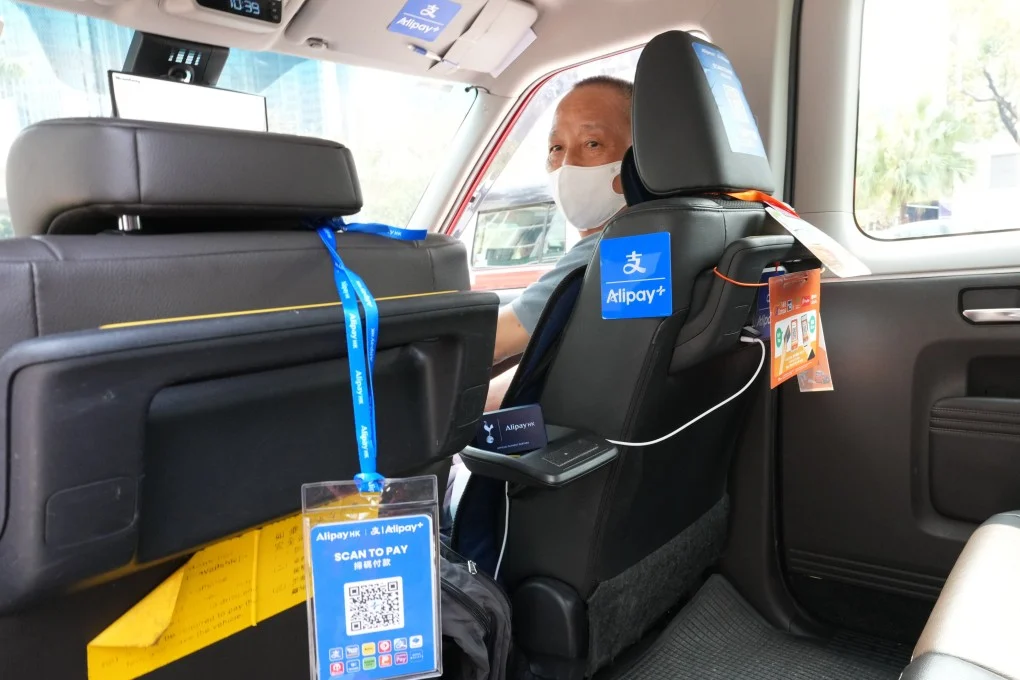
In a move reflecting the increasing digital transformation in the transport sector, more than 40,000 taxi drivers in Hong Kong have announced their adoption of electronic payment systems like AlipayHK and WeChat Pay HK. This step comes at a time when a significant influx of visitors from mainland China is expected during the Qingming holiday, facilitating cashless transactions.
AlipayHK, a joint venture under the Ant Group, reported that its electronic payment system is now available to over 46,000 taxi drivers. Meanwhile, WeChat Pay HK confirmed that it serves more than 40,000 drivers, reflecting the overall trend towards digital transformation in Hong Kong.
Event Details
This initiative is part of Hong Kong's efforts to enhance visitor experience, especially with the approaching Qingming holiday, which is considered a significant occasion in Chinese culture. Many visitors from the mainland flock to Hong Kong during this period, making it essential to provide convenient and easy payment options.
Electronic payment systems like Alipay and WeChat Pay are among the most popular in China and have significantly facilitated daily transactions for many users. With taxi drivers adopting these systems, it is expected that the convenience and speed of payment processes will increase, thereby enhancing the overall visitor experience.
Background & Context
Historically, Hong Kong has been a favored destination for visitors from the mainland, but challenges related to payment methods have existed. Visitors often faced difficulties using credit cards or cash, highlighting the urgent need for the adoption of electronic payment systems. As smartphone usage in China continues to rise, it has become imperative for Hong Kong to adapt to these changes.
This move is part of a broader strategy to improve public services and boost tourism in the city, as the government aims to attract more visitors by providing seamless and convenient services.
Impact & Consequences
This shift is expected to have a positive impact on Hong Kong's tourism sector. As the number of visitors increases, job opportunities in the transport sector will also rise, contributing to the local economy. Moreover, the adoption of electronic payment systems will help reduce the time spent on transactions, thereby enhancing operational efficiency.
Furthermore, this transformation may encourage other companies in Hong Kong to adopt electronic payment systems, fostering innovation in the market. This step reflects the global trend towards digitization, as many countries are moving towards adopting electronic payment solutions to improve consumer experiences.
Regional Significance
This experience could serve as a model for Arab countries, which are also witnessing digital transformation in various sectors. With the increasing use of smartphones and the internet, Arab nations can benefit from adopting electronic payment systems to enhance services provided to citizens and visitors.
Additionally, improving visitor experiences by providing convenient payment options can help attract more tourists to Arab countries, thereby boosting the local economy and creating new job opportunities.
In conclusion, the adoption of electronic payment systems by taxi drivers in Hong Kong represents a significant step towards enhancing visitor experiences and boosting the local economy. As digital transformation continues to grow worldwide, it is crucial for other countries, including those in the Arab region, to embrace these trends to improve their services and promote tourism.