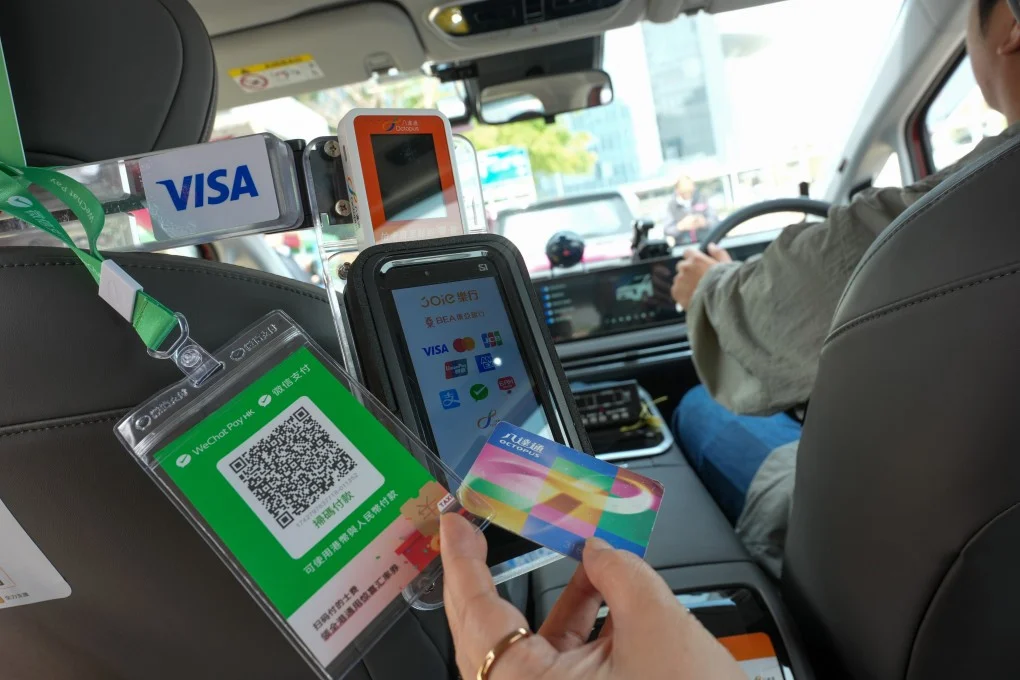
Hong Kong authorities have announced that over 47,000 registered taxi drivers have adopted the commercial version of the Octopus app or equipped their vehicles with payment card readers, just ahead of the new electronic payment regulations taking effect on Wednesday. This step is part of the government's efforts aimed at modernizing the sector's image and improving the quality of services provided to both citizens and visitors.
The new regulations require taxi drivers to offer at least two options for electronic payment, reflecting the global trend towards the use of technology in various aspects of daily life. In this way, the sector aims to meet the increasing needs of customers and provide more convenient and faster payment options.
Details of the Initiative
The Hong Kong Transport Department reported that this move is not merely a technical update but part of a comprehensive strategy aimed at enhancing the efficiency of transport services. These regulations are expected to improve the passenger experience by providing flexible and quick payment options, thereby increasing customer satisfaction with the service.
The new regulations also include providing accurate information about prices and services through apps, making it easier for passengers to make informed decisions when using taxi services. This step aligns with global trends towards digital transformation across various sectors.
Background & Context
Historically, Hong Kong has seen significant development in its transport sector, being known for its integrated and efficient public transport system. With the increasing use of technology in daily life, it has become essential to update this sector to keep pace with rapid changes. In recent years, there has been a rise in the use of smart applications in transport services, prompting the government to take serious steps towards regulating this sector.
Hong Kong is one of the most densely populated cities in the world, making the improvement of transport services critically important. These new regulations represent a step towards achieving this goal, contributing to reducing congestion and enhancing the quality of life in the city.
Impact & Consequences
These regulations are expected to enhance the level of service provided by taxi drivers, increasing competition among companies. Additionally, offering multiple payment options will boost passenger confidence in using taxi services, potentially leading to an increase in the number of users.
Moreover, this initiative may inspire other countries in the region to adopt similar models, contributing to the promotion of innovation in the transport sector. Improving transport services can also enhance tourism, as visitors will feel more comfortable using modern transport services.
Regional Significance
This initiative in Hong Kong serves as a model for many Arab countries seeking to improve transport services. In light of the shift towards digital transformation, Arab nations can benefit from successful experiences in this field, contributing to the development of transport services and enhancing the experience of citizens and visitors.
In conclusion, these new regulations in Hong Kong represent an important step towards modernizing the transport sector, reflecting the global trend towards using technology to improve quality of life. It is crucial for other countries to learn from this experience to achieve their goals in developing transport services.