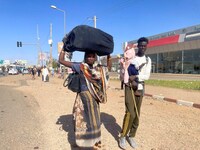
The World Health Organization has warned that the humanitarian situation in Sudan has reached critical levels, with more than 50% of the population in need of urgent assistance. This warning comes as armed conflicts and economic crises continue to ravage the country, exacerbating the suffering of citizens and complicating relief efforts.
The situation in Sudan is deteriorating due to ongoing conflicts between various armed factions, resulting in the displacement of large numbers of people. The organization has confirmed that these crises contribute to the spread of diseases and malnutrition, threatening the lives of millions.
Details of the Crisis
Reports indicate that over 24 million people in Sudan require humanitarian assistance, including food and healthcare. Spokespersons for the World Health Organization have emphasized that the situation necessitates an urgent response from the international community to provide the necessary support.
The organization also noted a severe shortage of medical resources, which increases the risk of infectious disease outbreaks. They have called for the provision of vaccines and essential medicines to mitigate potential epidemics.
Background & Context
Historically, Sudan has suffered from recurring humanitarian crises due to political and economic conflicts. Since 2019, the country has experienced significant political changes, but armed conflicts have not ceased; in fact, they have intensified in certain areas.
The current conditions are a direct result of the political and economic tensions plaguing the country, where living conditions have significantly deteriorated, leading to rising poverty and unemployment rates.
Impact & Consequences
The repercussions of the crisis in Sudan extend beyond its borders, affecting regional stability. The continuation of the conflict may lead to an influx of refugees into neighboring countries, placing additional pressure on those nations.
Moreover, the deteriorating humanitarian conditions could impact food security in the region, necessitating urgent action from the international community to prevent further escalation of crises.
Regional Significance
The situation in Sudan serves as an indicator of the challenges faced by many Arab countries amid ongoing conflicts. The international community's response to the Sudanese crisis could serve as a model for addressing humanitarian crises in the region.
In conclusion, the situation in Sudan requires a concerted effort from both international and local entities to provide necessary aid and alleviate the suffering of citizens, as a swift response could save millions of lives.