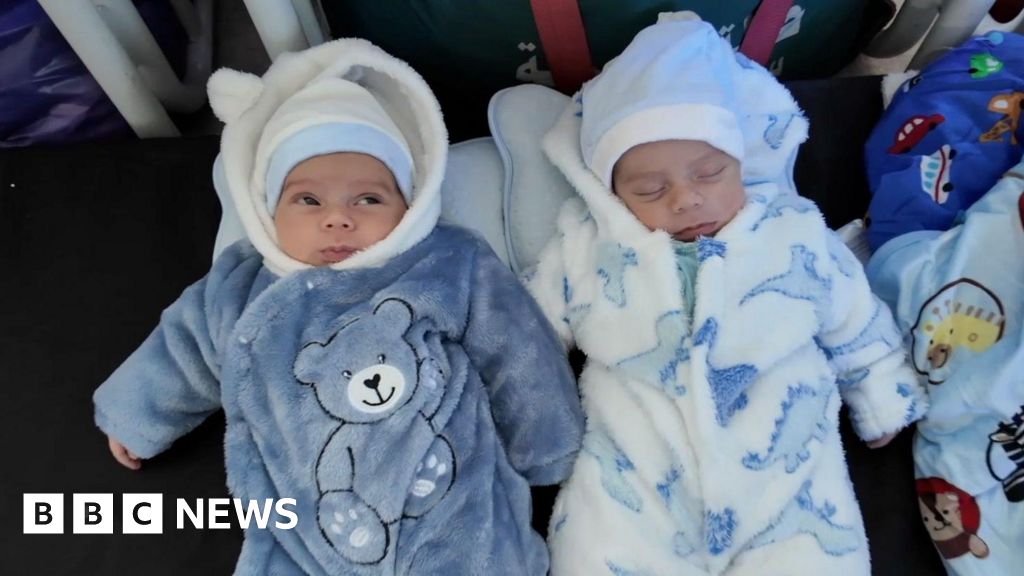
The Israeli military escalation in Lebanon has led to the displacement of over one million people since the onset of the war. The humanitarian situation continues to deteriorate as military operations persist on the ground, raising concerns about the future of civilians in the region.
Reports are emerging from various Lebanese areas, where displaced individuals are suffering from difficult living conditions amid a severe shortage of food and water. Many families, including mothers and children, find themselves in critical situations after losing their homes and security.
Details of the Event
Reports indicate that Israeli military operations have significantly expanded, resulting in an unprecedented increase in the number of displaced individuals. Many areas, including the southern suburbs of Beirut, have experienced intense shelling, forcing residents to flee in search of safety.
The numbers are rising daily, as displaced individuals flow into safer areas, putting additional pressure on local infrastructure. Humanitarian organizations warn that the situation may worsen further if military operations continue unabated.
Background & Context
The history of conflict in Lebanon spans decades, with the country experiencing multiple wars and conflicts. The recent conflict is part of a larger escalation in the region, where regional and international interests intertwine, complicating the humanitarian situation.
Since the beginning of the war, there have been international calls for a ceasefire, but conditions remain tense. The international community is closely monitoring the situation, as concerns grow over the worsening humanitarian crisis.
Impact & Consequences
The impact of the conflict on Lebanon will have long-term repercussions, not only on the humanitarian level but also on political and economic stability. The mass displacement may exacerbate economic and social crises in the country, complicating reconstruction efforts.
The situation may also affect relations between Lebanon and neighboring countries, as pressure may increase on governments to accommodate the displaced. This could lead to new tensions in the region, especially with complex political issues at play.
Regional Significance
The events in Lebanon are not isolated; they are part of a series of crises facing the Arab region. The conflict in Lebanon could impact stability in neighboring countries such as Syria and Palestine, where humanitarian and political crises overlap.
The Arab region is in urgent need of radical solutions to ongoing crises, and the international community must act swiftly to provide support to civilians affected by the conflict.
The situation in Lebanon requires urgent attention from the international community, as the mass displacement of civilians indicates a worsening humanitarian crisis. There must be concerted efforts to end the conflict and provide assistance to those affected.