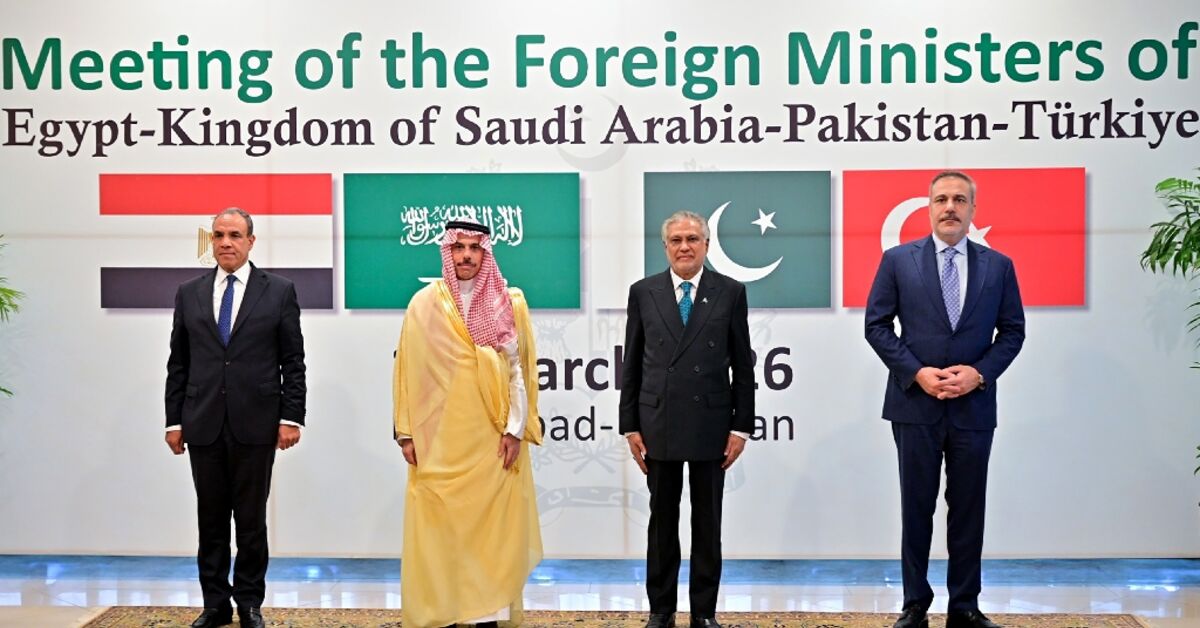
On Sunday, Pakistan announced that it is prepared to host 'meaningful' talks between the United States and Iran, in a move aimed at ending the ongoing dispute between the two parties. This initiative comes at a time when the world is witnessing rising tensions in the Middle East, receiving growing support from international entities such as the United Nations and China.
The Pakistani government, which has become a key mediator in this issue, seeks to convey messages between the two sides to prevent escalation of the conflict. Pakistan has emphasized the importance of dialogue as a means to resolve disputes, stressing the need to reach an agreement that ensures peace and stability in the region.
Details of the Initiative
In official statements, Pakistani officials confirmed that they have received positive signals from both the United States and Iran regarding the possibility of direct talks. Pakistan has expressed its willingness to provide a secure and neutral platform for negotiations, reflecting its increasing role as a key player in regional politics.
This initiative comes amid escalating tensions between the United States and Iran, as their relations have deteriorated significantly since Washington's withdrawal from the Iranian nuclear deal in 2018. Since then, the United States has imposed strict economic sanctions on Iran, exacerbating the situation in the region.
Background & Context
Historically, Pakistan has played a role in mediating between major powers in the region. The past years have seen numerous attempts to resolve regional disputes, but they have often faced political obstacles. However, Pakistan enjoys good relations with both the United States and Iran, making it a suitable candidate to facilitate dialogue between the two sides.
It is noteworthy that Pakistan is not the only country seeking to mediate in this conflict, as other nations like Qatar and Oman have also expressed their willingness to assist in facilitating talks. Nevertheless, the support from the United Nations and China for Pakistan's initiative reflects the significance of this role in achieving peace.
Impact & Consequences
If Pakistan succeeds in organizing these talks, it could have a significant impact on stability in the Middle East. Reaching an agreement between the United States and Iran could help ease tensions and improve relations between other countries in the region.
Moreover, this dialogue could open the door for discussions on other issues such as regional security and economic cooperation, enhancing the prospects for peace and development in the area. Conversely, the failure of the talks could lead to an escalation of the conflict and increased tensions, negatively affecting regional security.
Regional Significance
The relations between the United States and Iran are pivotal for Arab national security. The tensions between these two countries directly affect many Arab nations, especially those located in the Gulf region. Therefore, any progress in the talks could contribute to regional stability and enhance opportunities for Arab cooperation.
In conclusion, all eyes remain on Pakistan and its role in this initiative. Its success in hosting the talks could open new avenues for peace in a region suffering from ongoing conflicts.