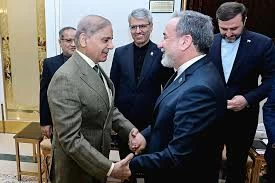
Pakistani Prime Minister Shahbaz Sharif has affirmed that his country is continuing its vigorous efforts to halt the ongoing conflict between the United States and Iran. This announcement was made during a cabinet meeting, where Sharif emphasized the importance of achieving peace in the Middle East and the necessity of a ceasefire.
In a related context, a senior Pakistani official reported that Islamabad is working to bridge the gaps between the American and Iranian sides, stressing that mediation efforts have not ceased. Pakistani media conveyed the official's statements, reflecting the Pakistani government's commitment to regional peace.
Details of the Situation
Despite the stalled negotiations, Pakistan expects to receive a revised proposal from Iran to end the war in the coming days. This follows the rejection of the latest Iranian proposal by US President Donald Trump. In this context, an Iranian official revealed that Russia could play a guarantor role for any potential agreement with the United States.
During his recent visit to Islamabad, Iranian Foreign Minister Abbas Araghchi presented a new proposal that includes three phases, starting with a cessation of hostilities under international guarantees. The second phase involves lifting the American blockade on Iranian ports in exchange for opening the Strait of Hormuz, while the third phase addresses discussions regarding the Iranian nuclear program.
Background & Context
It is noteworthy that relations between the United States and Iran have seen increasing tension since the onset of the conflict on February 28, with the American administration consistently emphasizing the need to address Iranian nuclear issues. The White House has clarified that negotiations with Iran are still ongoing, indicating that the administration will not rush into a deal that may be unfavorable.
These developments coincide with Islamabad's ongoing efforts to play a mediating role in the conflict, as it seeks to enhance regional stability through diplomacy. Historically, Pakistan has proven capable of mediating in regional disputes, reinforcing its position as a supporter of peace in the Middle East.
Impact & Consequences
If Pakistan succeeds in making progress in its efforts, it could lead to a reduction in tensions in the region, positively impacting regional security. Additionally, the success of Pakistani mediation could enhance its international standing and reflect its ability to influence major issues.
However, challenges remain, as the United States and Iran have conflicting interests that may hinder any progress. Therefore, observers are closely monitoring upcoming developments, especially in light of the contradictory statements from both sides.
Regional Significance
Islamabad's efforts to halt the conflict between the United States and Iran are particularly significant for the Arab region, as any escalation in tensions could affect the stability of neighboring countries. Should mediation succeed, it could lead to improved relations between Arab states and Iran, contributing to enhanced regional security.
In conclusion, attention remains focused on the upcoming developments in this matter, as the outcomes of negotiations could define new political contours in the Middle East.