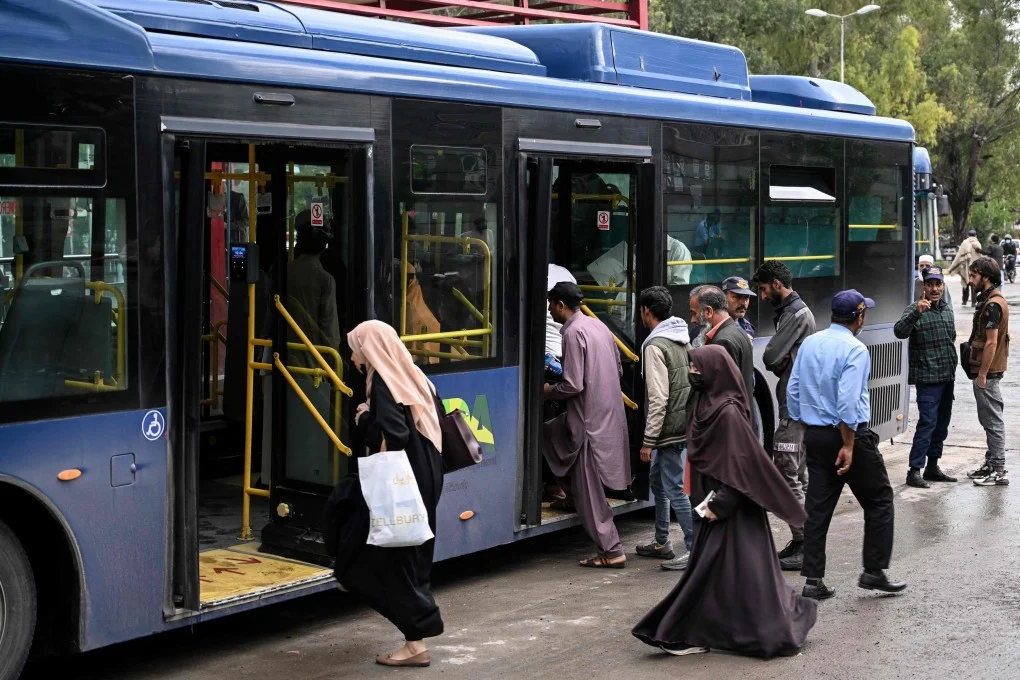
The Pakistani government has decided to provide free public transport for 30 days in the capital, Islamabad, and the Punjab province, following a significant increase in fuel prices that reached 42.7%. This surge has pushed gasoline prices to 485 rupees (around $1.70) per liter. The announcement comes amid widespread public protests, with long queues of motorcycles forming outside gas stations.
The rise in fuel prices is attributed to the repercussions of the war in Iran, which has significantly impacted the global energy market. This decision has provoked angry reactions from citizens, prompting the government to take swift measures to alleviate the crisis.
Details of the Announcement
In an unexpected move, Prime Minister Shehbaz Sharif announced the provision of free public transport as a means to mitigate the effects of the steep fuel price increase. This announcement followed a night of protests, where citizens took to the streets to express their dissatisfaction with the sudden hike.
The increase in fuel prices has greatly affected citizens' lives, leading to a noticeable rise in living costs. Some observers have noted that this step may be an attempt by the government to quell public anger, especially given the difficult economic conditions the country is facing.
Background & Context
Historically, Pakistan has experienced numerous economic crises that have led to rising fuel prices. In recent years, the country has been significantly affected by fluctuations in global oil prices, which are often linked to political events in the region. The war in Iran, which has impacted oil supplies, was one of the main factors behind this recent increase.
Pakistan is one of the countries that heavily relies on oil imports, making it vulnerable to fluctuations in global prices. This dependency has increased pressure on the government to provide effective solutions for its citizens.
Impact & Consequences
The increase in fuel prices could lead to significant economic and social repercussions. It is expected that this rise will affect the prices of goods and services, exacerbating the suffering of citizens who are already grappling with high living costs.
Moreover, providing free public transport could have a positive impact on citizens, as it will help them commute easily without incurring additional costs. However, the question remains about the sustainability of this decision amid the challenging economic conditions.
Regional Significance
The fuel crisis in Pakistan exemplifies the economic challenges faced by many countries in the region. Numerous Arab nations are experiencing rising fuel prices and their impact on local economies.
These events highlight the importance of regional cooperation in the energy sector, where Arab countries could benefit from sharing experiences and solutions to address common challenges.
In conclusion, the fuel crisis in Pakistan remains a focal point for the world, reflecting the economic challenges faced by developing countries amid changing global conditions. It is crucial for the Pakistani government to continue taking effective steps to ensure price stability and improve citizens' lives.