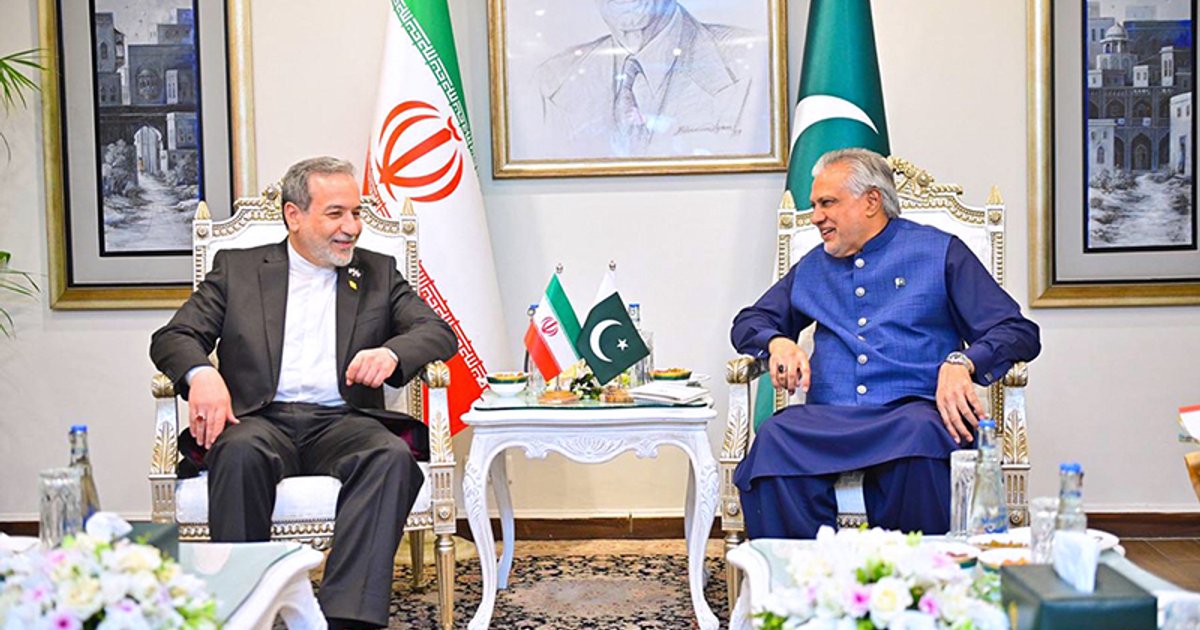
Pakistan is set to host the foreign ministers of Saudi Arabia, Turkey, and Egypt on March 29-30, 2026, aiming to reduce escalating tensions in the Middle East. This meeting comes at a critical time as major powers in the region are facing increasing conflicts, threatening to ignite a broader war.
As a key mediator, Pakistan seeks to present itself as a reliable party in mediation efforts, maintaining close relations with the United States, Iran, and Gulf countries. These relationships position Pakistan as a potential partner in efforts to end the devastating conflict that has claimed thousands of lives and negatively impacted international markets.
Event Details
The meeting in Islamabad aims to find ways to ease tensions and calm the war, focusing on the possibility of achieving a ceasefire. Participants also seek to avoid a regional catastrophe that could have global repercussions. The continuation of hostilities poses significant challenges to quiet diplomacy, as pressures mount on all parties involved.
The foreign ministers face a daunting task, as both the United States and Iran set strict conditions for a ceasefire. However, both sides have shown signs of willingness to engage in dialogue, although Israel has distanced itself from this process. Despite former President Donald Trump's insistence on postponing strikes against Iran, hostilities have not ceased and have, in fact, intensified.
Background & Context
Pakistan holds a unique position that qualifies it to act as a mediator in this complex context, having facilitated the U.S.-China rapprochement in 1971 and supported dialogue between the U.S. and the Taliban in 2020. It also played a significant role in diplomatic exchanges between the U.S. and Iran in 2025.
Pakistan aims to enhance its strategic partnerships, with the mutual defense agreement with Saudi Arabia emphasizing deep security cooperation. The close relationship with Turkey reflects a shared vision for stability, while Egypt remains a cornerstone of Arab diplomacy.
Impact & Consequences
The mediation efforts in Islamabad serve as a test of the international community's ability to return to a rules-based international order. If participants fail to make progress, strategic and economic collapse could threaten even the wealthiest countries in the Islamic world, potentially leading to greater escalation.
Successful mediation requires cooperation from all parties, including the United States and Iran, as the responsibility to find common ground rests with them. There are also expectations that Washington will persuade the Israeli side to join diplomatic commitments.
Regional Significance
These developments underscore the importance of Pakistan's role in the region, as it seeks to enhance its diplomatic standing through mediation. The success of these efforts could lead to improved relations among Arab and Islamic nations, fostering stability in the region.
In conclusion, the greatest challenge remains achieving tangible progress in dialogue, as quiet and sequential diplomacy may be the key to easing tensions and building a more stable future.