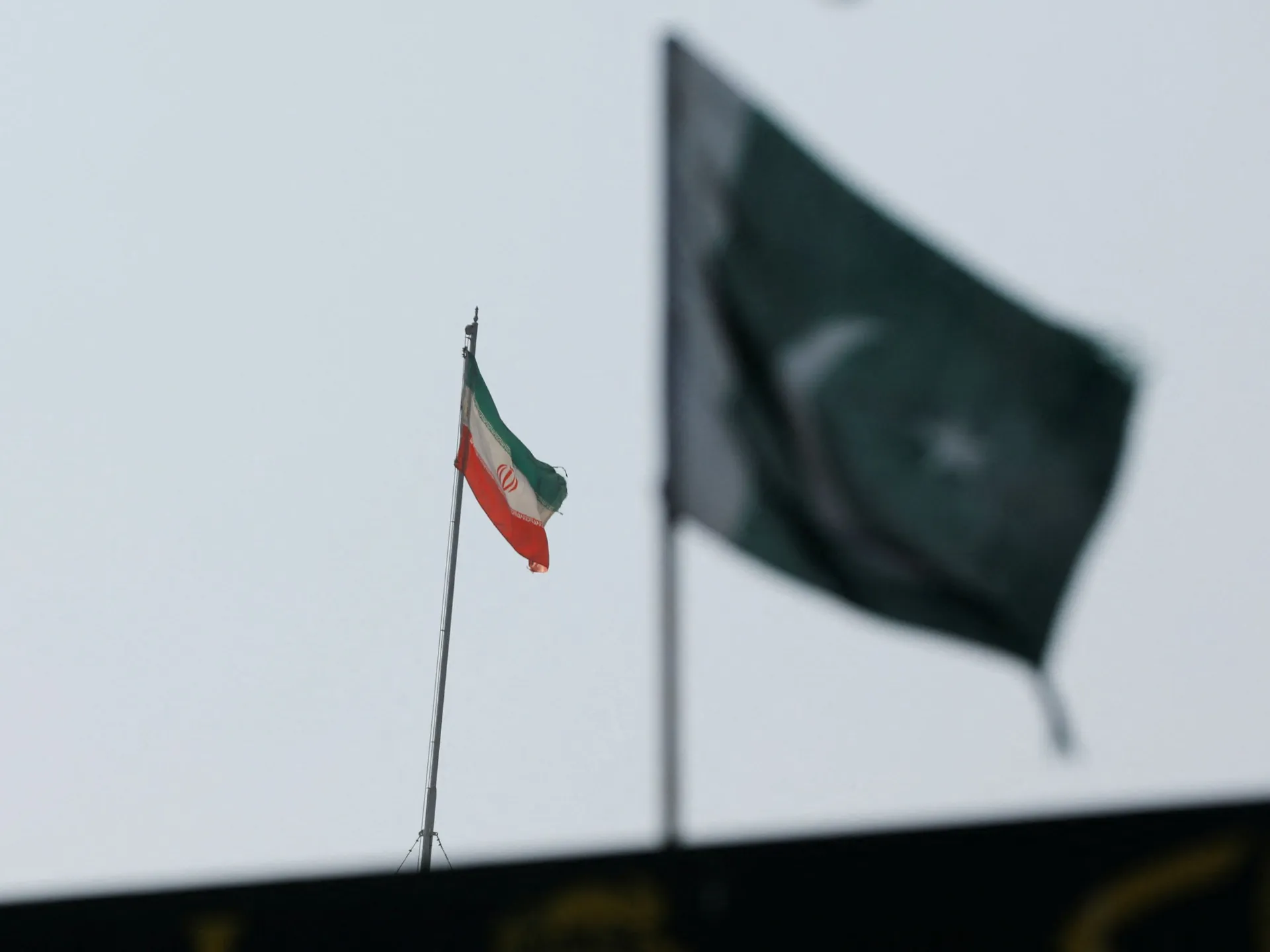
Pakistan is preparing to host a mini-summit with foreign ministers from Saudi Arabia, Egypt, and Turkey as part of efforts aimed at easing escalating tensions between Iran and the United States. This summit is scheduled to be held in Islamabad on March 29-30, where important regional issues will be discussed, including ways to reduce escalation in the area.
The Pakistani Foreign Ministry stated in an official announcement that the foreign ministers of the four countries will meet for in-depth discussions on a range of issues, including efforts to de-escalate tensions in the region. The ministers will also meet with Pakistani Prime Minister, Shahbaz Sharif, as part of these consultations.
Event Details
The Turkish Foreign Minister, Hakan Fidan, raised the issue of the quadruple meeting during his recent statements, as Islamabad intensifies its diplomatic moves amid regional escalation. In this context, the Pakistani Prime Minister's Office announced that Shahbaz Sharif had a phone call with Iranian President Masoud Bezhakian to discuss regional tensions and ways to achieve peace.
During the call, Bezhakian emphasized the importance of building trust in preparation for anticipated talks with the U.S. side. Islamabad has emerged as a potential mediator between Tehran and Washington, benefiting from its good relations with both parties and its close ties to the Gulf Arab states.
Background & Context
In recent days, Pakistan's role in mediating between Iran and the United States has expanded, with the Pakistani Army Chief having contacted U.S. President Donald Trump, U.S. Envoy to the Middle East Steve Whitkoff, as well as political and military officials in Iran. Shahbaz Sharif has expressed his country's readiness to host talks aimed at containing escalation in the Middle East, amid U.S. and Israeli attacks on Iran and Tehran's responses.
In this context, Pakistani Foreign Minister Mohammad Ishaq Dar noted that the U.S. had presented Iran with a document containing 15 points, while the U.S. envoy, Whitkoff, confirmed that his country is awaiting Tehran's response to those proposals. Reports indicated that the U.S. proposal includes items related to eliminating stocks of highly enriched uranium, halting enrichment processes, and restricting the ballistic missile program.
Impact & Consequences
Conversely, Iran denies the existence of any direct negotiations with the U.S., despite reports suggesting that it conveyed an official response to the U.S. plan through the Pakistani mediator. Ali Safri, advisor to the Iranian Foreign Ministry spokesperson, asserted that any potential negotiations must be based on a complete cessation of hostilities against Iran, emphasizing that Tehran does not reject negotiations in principle, but will not engage while attacks continue.
Safri added in his statements that any U.S. or regional diplomatic initiatives before halting escalation are considered "unfair and unacceptable." This military escalation in the region follows the U.S. and Israeli strikes targeting Iran on February 28, which led to an expansion of confrontations to include areas in the Gulf and other Arab countries.
Regional Significance
These developments are of significant importance to the Arab region, as they contribute to shaping new contours of regional politics. Pakistan's success in mediating between Iran and the U.S. could open new avenues for regional cooperation and enhance stability in the area. Furthermore, any progress in the talks could alleviate tensions and reduce military risks threatening regional security.
In conclusion, attention remains focused on the outcomes of the upcoming summit in Islamabad, where the international community hopes it will yield tangible steps towards de-escalation and achieving peace in the region.