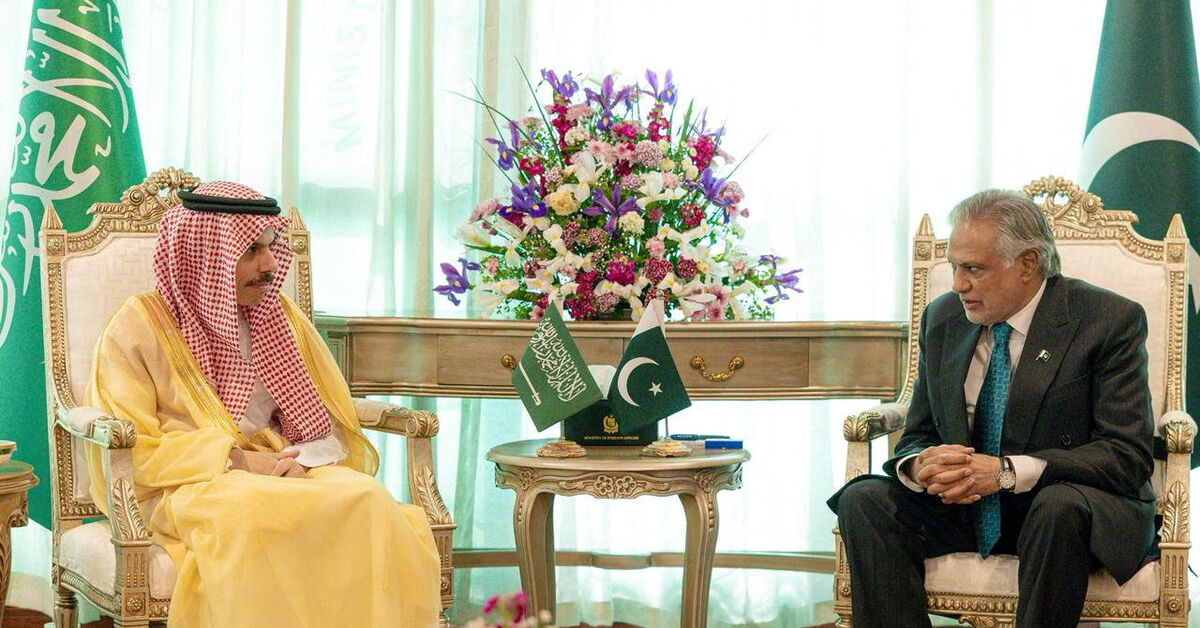
Pakistan hosted regional talks on Sunday with the foreign ministers of Turkey, Egypt, and Saudi Arabia, aiming to mediate an end to the ongoing conflict in Iran. The initial discussions focused on proposals to reopen the Strait of Hormuz to shipping traffic, which is vital for global economic security.
The foreign ministers from the three countries arrived in Islamabad at a time when tensions between Iran and the United States are escalating, with Tehran warning Washington against any ground attack. Simultaneously, global oil prices have seen a significant increase due to the ongoing fighting between Iran, the U.S., and Israel.
Details of the Event
These talks are part of Pakistan's efforts to enhance its role as a regional mediator, seeking to stabilize a region experiencing increasing tensions. The participating countries have shown significant interest in finding lasting solutions to the Iranian conflict, which has greatly impacted regional security and the global economy.
The proposed suggestions include reopening the Strait of Hormuz, one of the world's most important maritime corridors, through which about 20% of the world's total oil passes. This is deemed essential to ensure the flow of oil to global markets, especially amid the current crises.
Background & Context
Historically, the Strait of Hormuz has been the scene of numerous disputes and conflicts, with the region experiencing recurring tensions between Iran and Western countries. In recent years, these tensions have notably escalated, particularly after the U.S. withdrawal from the Iranian nuclear deal in 2018, leading to severe economic sanctions imposed on Tehran.
Iran seeks to bolster its regional influence, while neighboring Arab countries, such as Saudi Arabia and Egypt, attempt to counter this influence. These dynamics have led to an escalation of military conflicts, adversely affecting regional stability.
Impact & Consequences
If these talks succeed in achieving tangible progress, they could lead to a de-escalation of tensions in the region, contributing to the stabilization of oil prices and enhancing regional security. However, failure to reach an agreement could escalate the conflict, threatening global economic security.
These discussions also serve as a test of Pakistan's ability to play an effective mediating role in regional issues, which could enhance its standing on the international stage. Furthermore, its success may encourage other countries to engage in similar efforts to resolve regional disputes.
Regional Significance
For Arab countries, stability in Iran could have positive implications for regional security. Ongoing tensions affect relations between Arab states and Iran and could lead to escalated conflicts in areas such as Iraq and Syria.
Moreover, reopening the Strait of Hormuz could contribute to enhancing trade and the economy in the region, benefiting Arab countries that rely on oil as a primary source of revenue. Ultimately, this meeting represents a historic opportunity that could lead to positive changes in the regional landscape.