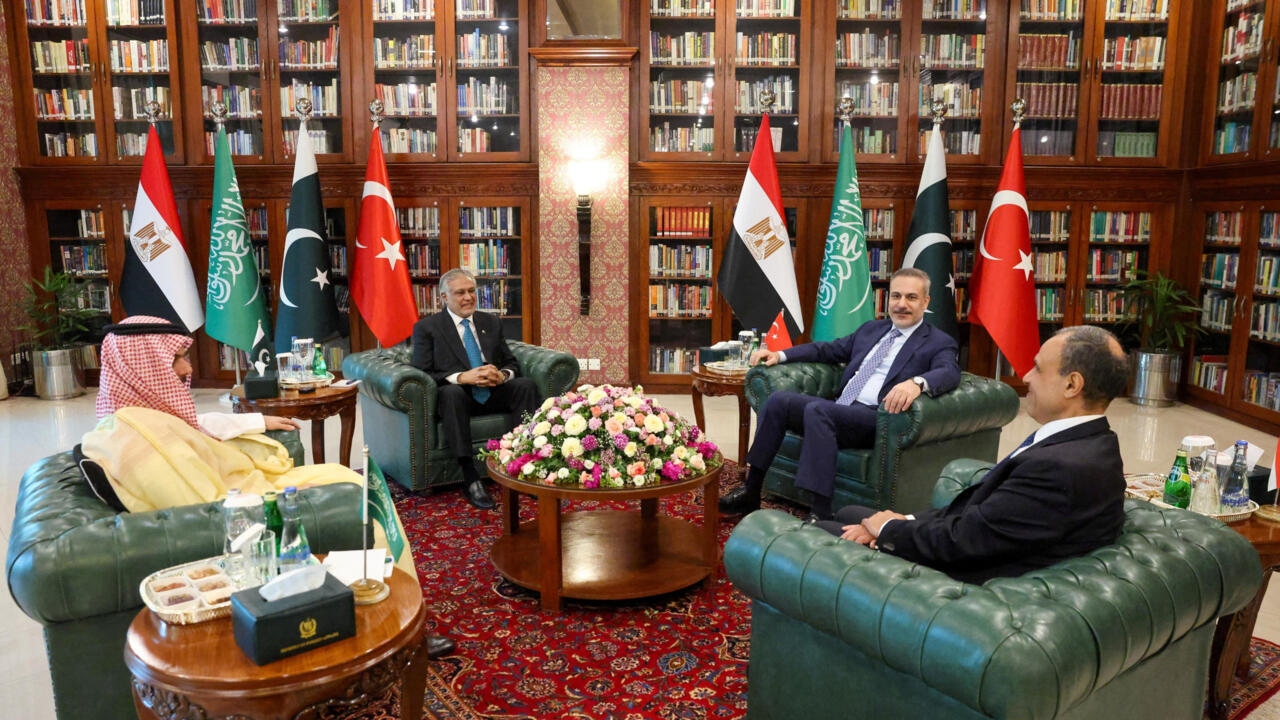
Pakistan is striving to play a mediating role in the escalating tensions between Iran and the United States, having confirmed its involvement in mediation efforts by relaying "messages" between the two parties. This comes at a time when the intensity of conflict in the Middle East is increasing, making it essential to explore ways to calm the situation.
Recently, Islamabad hosted a meeting that included the foreign ministers of Pakistan, Saudi Arabia, Egypt, and Turkey, where discussions focused on ways to de-escalate the situation and prevent further escalation. This step reflects Pakistan's desire to be an effective link between Tehran and Washington, leveraging its good relations with both parties, as well as its strong ties with Gulf countries.
Details of the Mediation Efforts
The mediation undertaken by Pakistan is considered a challenging task due to the complexity of the situation and the differing interests of the involved parties. While both the United States and Iran maintain their positions, questions remain regarding Pakistan's ability to make progress on this issue. The influence of countries such as Saudi Arabia and Israel adds to the complexity of the landscape, making it difficult to reach a consensus.
In an interview with France 24, Dr. Jasim Taqi, head of the Bab Institute for Strategic Studies, pointed out that Pakistan enjoys strong relations with both the United States and Iran, making it well-suited to act as a mediator. Additionally, as a nuclear state, Pakistan has international leverage, which enhances its position in this mediation.
Background & Context
Historically, Pakistan has played an important role in international mediation, having contributed to negotiations with China and assisted in establishing diplomatic relations between China and the United States in earlier times. This experience bolsters Pakistan's capacity to be an internationally and regionally accepted mediator.
However, the mediation remains fraught with risks, as its failure could lead to an escalation of the conflict between the United States and Iran. Iran possesses powerful ballistic missiles and has used them to strike targets in Israel, further heightening tensions in the region.
Impact & Consequences
If Pakistan succeeds in its efforts, it could contribute to alleviating tensions in the Middle East, benefiting regional security. Conversely, if the mediation fails, a full-scale war could erupt, affecting the stability of the entire region.
Iran is experiencing a difficult internal situation following the deaths of several of its leaders, which may make it more amenable to accepting mediation. Meanwhile, Pakistan seeks to establish itself as an important diplomatic force on the international stage, especially as the mediation role of some traditional countries declines.
Regional Significance
The Pakistani mediation is a significant step in the context of rapidly evolving events in the region, as it could lead to improved relations between Iran and Arab countries. Pakistan's success in this role could enhance regional stability and reduce tensions among major powers.
In conclusion, Pakistan's mediation efforts between Iran and the United States remain under scrutiny, as the international community looks forward to tangible results that may contribute to calming the situation in the Middle East.