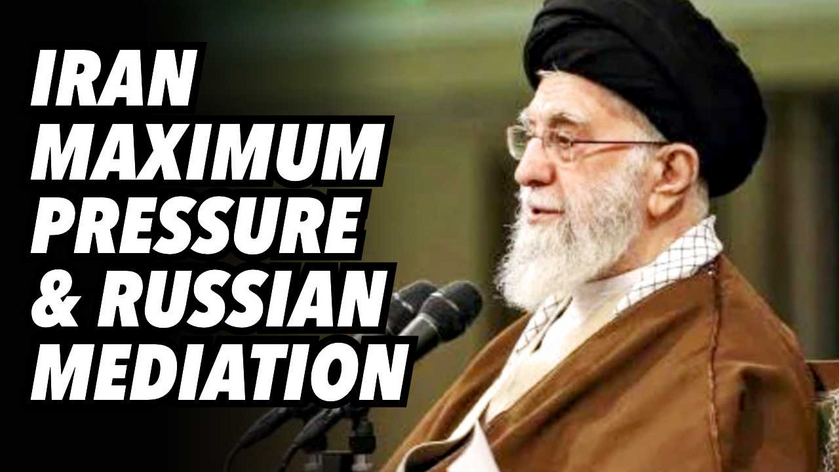
In a significant diplomatic move, Pakistan has successfully acted as a mediator between Iran and the United States, resulting in a temporary ceasefire as the deadline set by President Donald Trump approaches.
This mediation comes at a highly sensitive time, as tensions between Washington and Tehran have reached a peak, raising fears of potential military escalation. Pakistan, which has historical ties with both parties, has demonstrated its ability to influence the regional landscape.
Details of the Event
Pakistan announced its success in mediating between the two sides, leading to a temporary ceasefire agreement. This announcement followed a series of negotiations conducted in an atmosphere of heightened tension, as the United States was preparing to take military action against Iran.
This development is seen as a positive step towards de-escalating tensions, with both Iran and the United States showing a willingness to negotiate on outstanding issues. Observers have noted that Pakistan, due to its strategic relationships, may be able to play a larger role in achieving stability in the region.
Background & Context
The roots of the tensions between Iran and the United States date back decades, with numerous crises marking the relationship between the two countries. Since the United States withdrew from the Iranian nuclear deal in 2018, tensions have escalated significantly, leading to the imposition of severe economic sanctions on Tehran.
In this context, Pakistan has always sought to maintain good relations with both sides. It has played an important role in the past as a mediator in regional conflicts, reflecting its capacity to influence international politics.
Impact & Consequences
This temporary agreement could have positive implications for regional security, as it may help reduce tensions between Iran and the United States. It could also pave the way for further negotiations on outstanding issues, such as Iran's nuclear program.
Moreover, Pakistan's success in mediation could enhance its position as an influential state in regional politics, potentially leading to increased cooperation with other countries in the area.
Regional Significance
The tensions between Iran and the United States are a sensitive issue affecting security and stability in the Arab region. Any steps towards alleviating these tensions could have positive effects on Arab countries, which are suffering from the repercussions of regional conflicts.
If Pakistan can make progress in the negotiations, it may lead to improved relations between Arab countries and Iran, contributing to enhanced regional stability.
In conclusion, attention remains focused on upcoming developments, as this mediation could mark a turning point in relations between Iran and the United States, opening new avenues for peace in the region.